

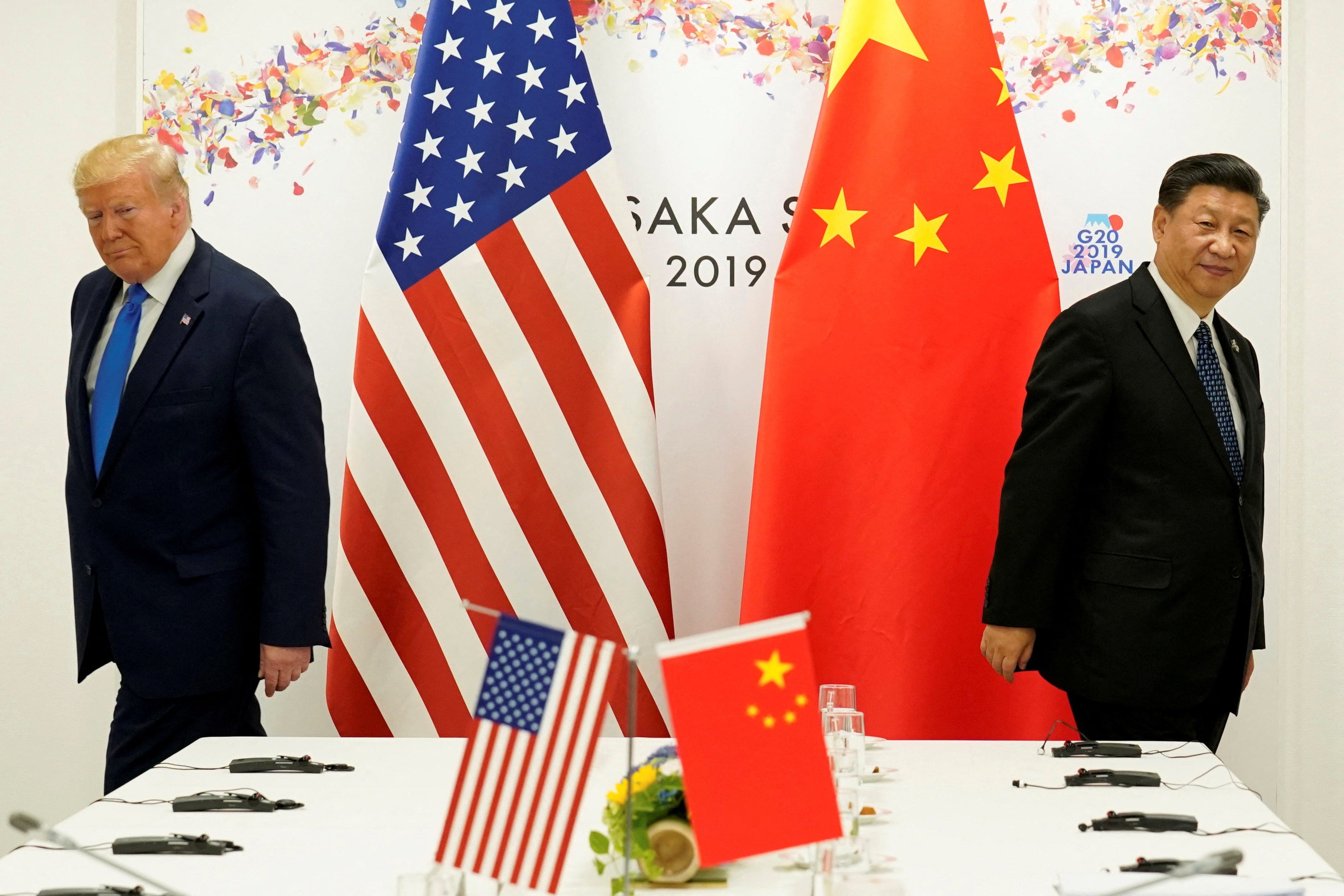
The logic of technological competition that characterized the Cold War finds a new incarnation today in the rivalry between the United States and China. Whereas in the postwar decades ballistic missiles, satellites, and military computing defined the core fields of contest, the current focus lies on artificial intelligence, advanced semiconductors, the renewed space race, and missile defense architectures. In both historical contexts, technology is not a neutral domain but a contested arena where scientific and industrial primacy becomes synonymous with political and military power. The Cold War demonstrated that technological superiority could serve as deterrent and ideological symbol; the present competition confirms that innovation is a critical resource to guarantee strategic autonomy, projection capabilities, and international legitimacy. The parallels are striking, yet the differences are equally significant, shaped by a global environment in which economic interdependence, digital infrastructures, and multipolar interactions complicate the binary logic of the past.