

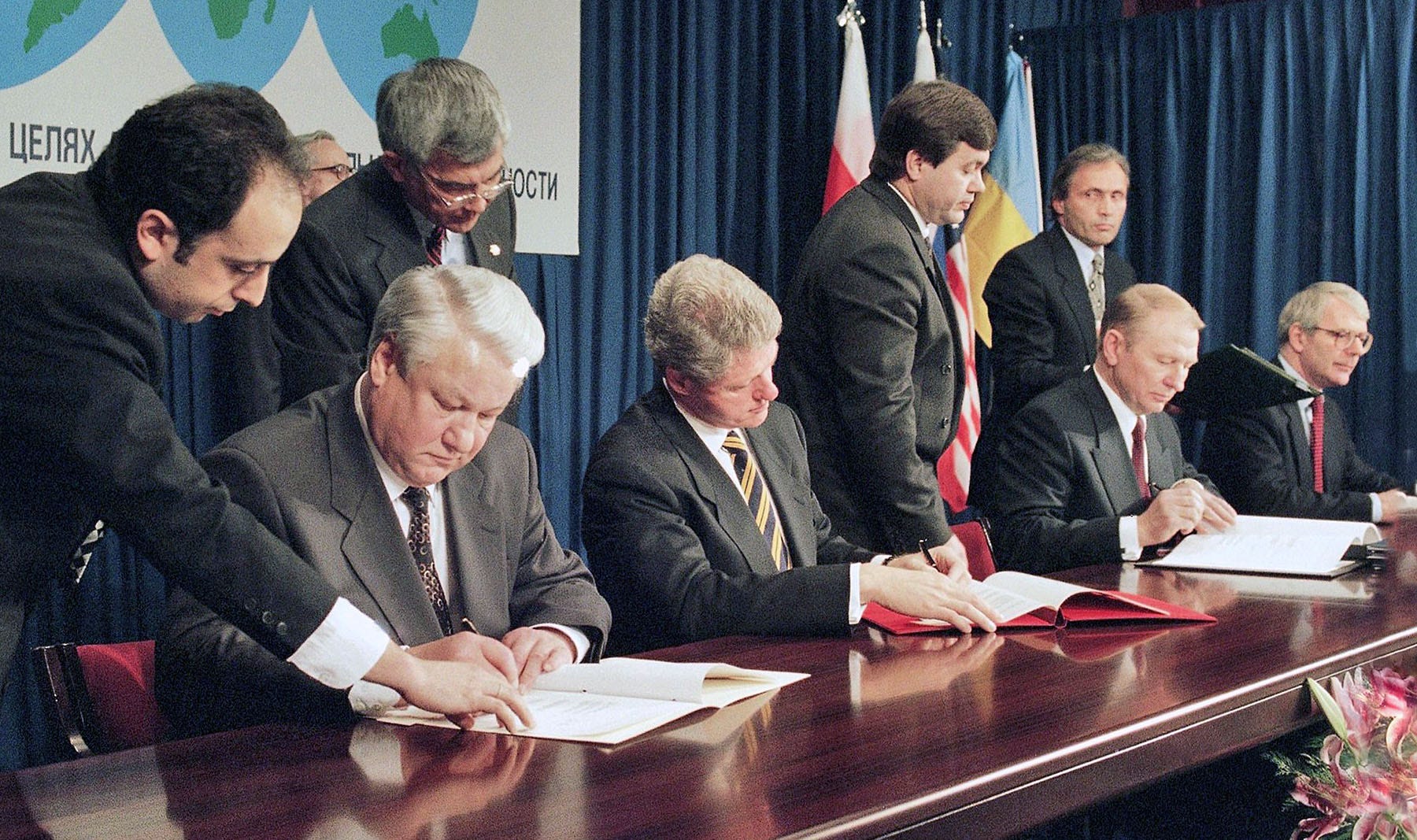
Moscow’s negotiating line suggests that the Kremlin’s most realistic objective is the definition of an agreement “modeled on Budapest”: a political settlement built on statements of principle and security assurances, not a defense treaty with binding legal obligations or automatic intervention mechanisms. The 1994 Memorandum, linked to Ukraine’s denuclearization, did not provide collective defense guarantees. It merely reiterated principles already enshrined in the UN Charter and the Helsinki Final Act, envisaging political consultations and appeals to the UN Security Council but without obligations comparable to NATO’s Article 5. In other words, it amounted to a political commitment without coercive instruments, as highlighted by contemporaneous legal doctrine and international sources.