

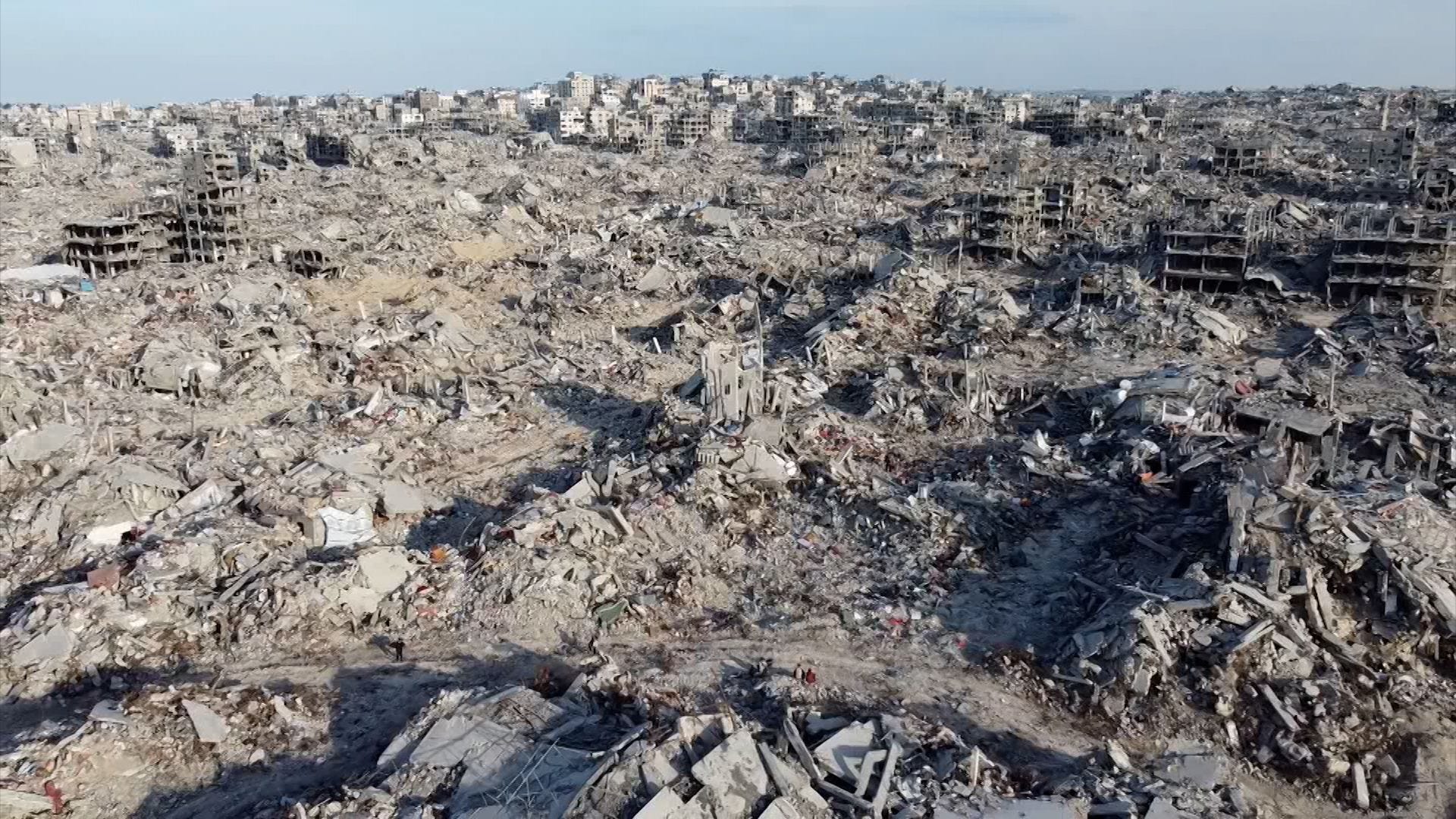
In recent years, Western political and strategic discourse has made extensive use of the concept of resilience, presenting it as a key response to contemporary threats. Yet when analyzed through the lens of strategic logic, this concept reveals its limits. Resilience means absorbing a blow and restoring the previous state, but it imposes no significant cost on the attacker. An aggressor who inflicts damage without suffering consequences has no incentive to stop; on the contrary, they can continue striking, gradually wearing down the victim. Resilience, in other words, ensures survival but not security, because it does not dissuade attack. Indeed, it may even encourage offensive action, as the adversary knows the other side will merely resist and repair. Strategically, resilience is thus a losing posture: it characterizes those who endure, not those who shape and determine. The cornerstone of security remains deterrence—the capacity to impose disproportionate costs on any aggressor. Everything else is of secondary importance.