

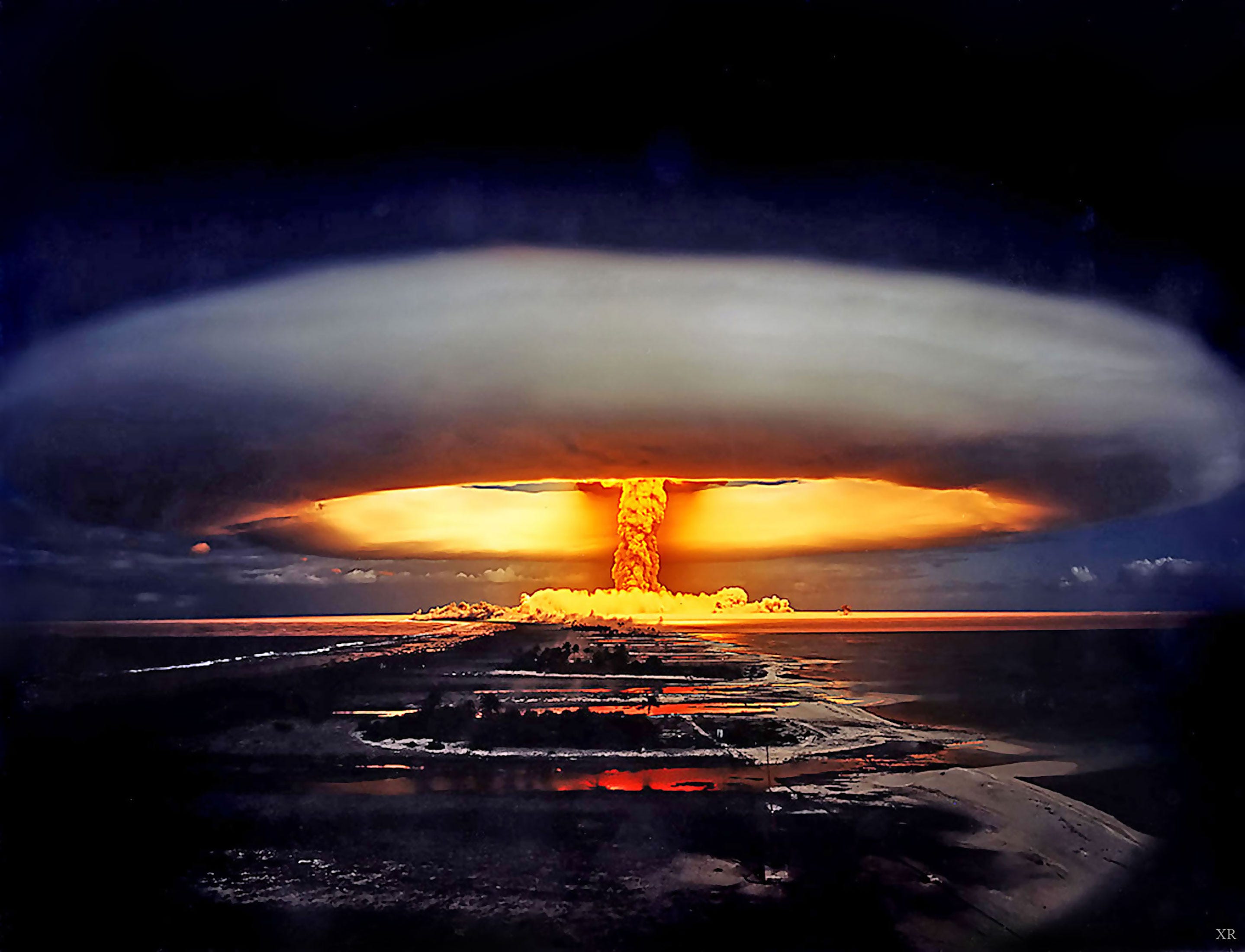
The debate over a European nuclear deterrent — long confined to the margins of strategic discourse, treated as a taboo in Berlin, a doctrinal provocation in Paris, and a distraction in London — has entered the mainstream of European security policy with unprecedented urgency in 2025 and early 2026. Three interlocking forces have driven this shift: the sustained signals from the Trump administration that the United States may no longer unconditionally guarantee European security under Article 5 of the North Atlantic Treaty; the expiration of the New START arms control treaty on February 5, 2026, eliminating the last major U.S.-Russia nuclear verification regime; and Russia’s demonstrated willingness to use nuclear signalling as a coercive instrument, including the late-2025 use of a nuclear-capable Oreshnik missile against Lviv.
In March 2025, French President Emmanuel Macron became the first sitting head of state to formally open a strategic debate on extending French nuclear deterrence to European allies. Germany’s incoming Chancellor Friedrich Merz responded within days, calling for discussions with Paris and London on whether French and British nuclear forces could provide Germany and Europe with a deterrent comparable to the American umbrella. The United Kingdom, through its June 2025 Strategic Defence Review, repositioned its nuclear forces as an explicit contribution to a “Eurodeterrent,” joined NATO’s nuclear mission with F-35A aircraft for the first time since 1998, and signed the Northwood Declaration with France in July 2025 — committing both countries to nuclear coordination through a new bilateral Nuclear Steering Group.
Yet the gap between this political momentum and operational reality remains enormous. France’s arsenal of approximately 290 warheads was designed around strict national sufficiency, not continental extended deterrence. The United Kingdom’s Trident system is operationally entangled with U.S. infrastructure. Germany is legally prohibited from possessing nuclear weapons under two binding international treaties. A collective European nuclear architecture would require resolving questions of political authority, strategic doctrine, arsenal size, delivery systems, treaty compliance, and alliance cohesion that have no precedent in the history of nuclear strategy. This report maps the debate, assesses the capabilities and constraints of each major actor, and evaluates the structural obstacles to a credible independent European deterrent.