

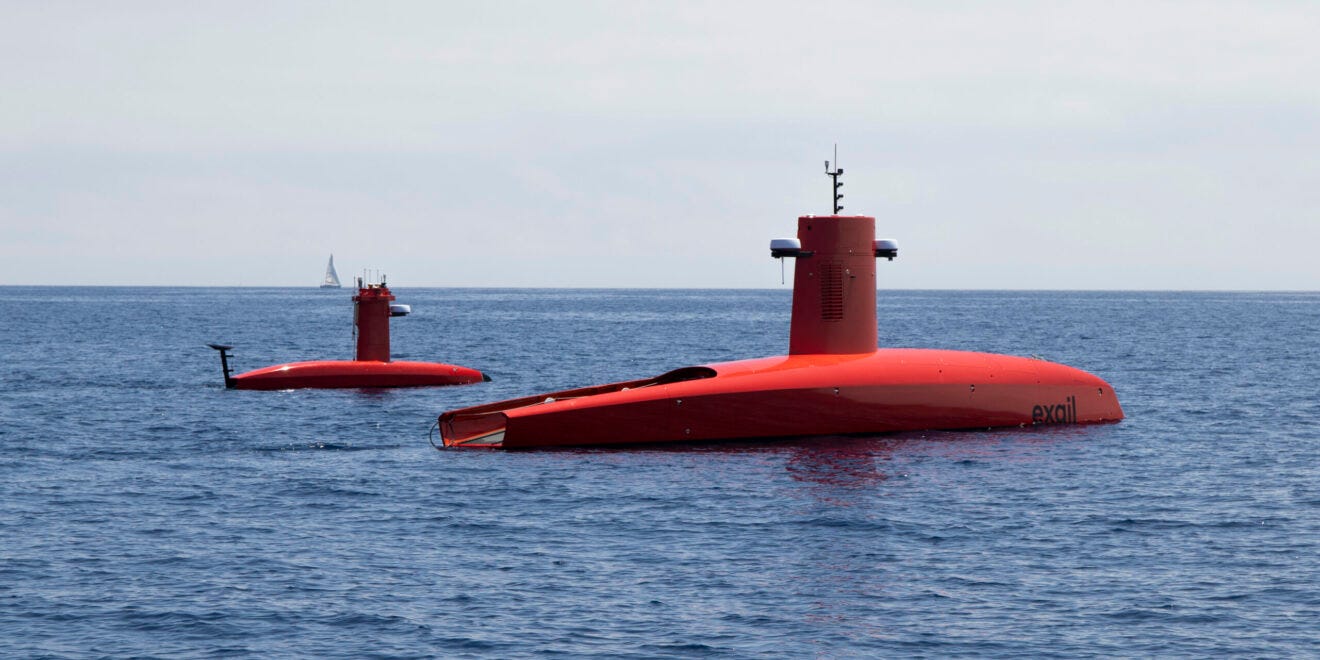
Evidence Statement: This analysis is based on proprietary industrial data from the Defence Finance Monitor Database, integrated with the regulatory frameworks of Regulation (EU) 2025/1106 (SAFE) and Regulation (EU) 2025/2643 (EDIP). Technical maturity levels (TRL 8-9) .
The strategic importance of Critical Undersea Infrastructure (CUI) has undergone a dramatic re-evaluation, transitioning from a purely commercial concern to a primary domain of hybrid warfare and collective security interest. The European Union’s energy and data lifelines—spanning over 1.2 million km of subsea cables—now face unprecedented threats from state-sponsored sabotage. In response, the Union has activated the full weight of its defense industrial policy, utilizing the SAFE and EDIP regulations to build a sovereign shield. The focus has shifted toward seabed warfare, where the ability to monitor and protect assets at depths of up to 6,000 meters is the new tactical benchmark. This industrial ramp-up is not led by the traditional naval prime contractors alone but by a specialized tier of “Hidden Champions” in subsea robotics. These firms provide the uncrewed systems and sensors needed to detect hybrid threats before they materialize, ensuring the continuity of the single market. The implementation of the ReArm Europe Plan/Readiness 2030 is now the primary driver for joint procurement in the underwater domain across all Allied fleets. The subsea map is being redrawn with a focus on regional resilience clusters. Sovereign protection of the seabed is the foundation of European peace in 2026.