

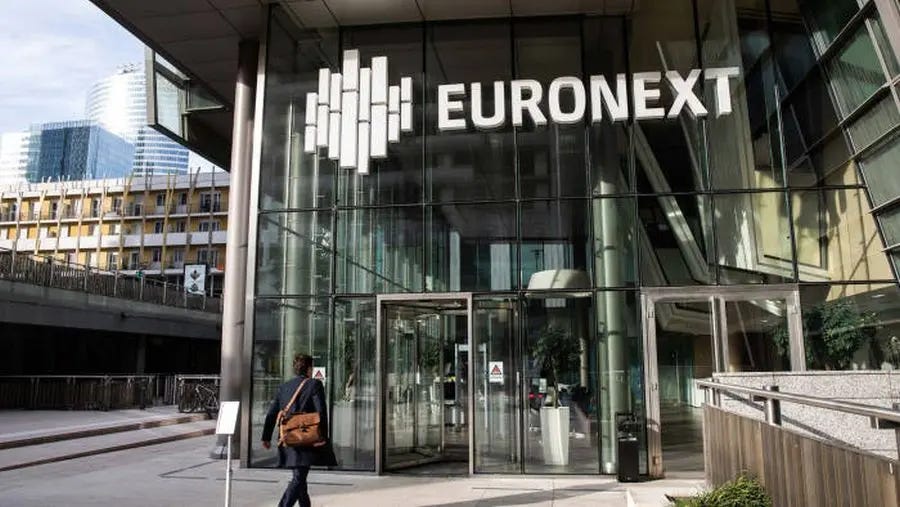
A prime example is Euronext’s initiative announced on May 6 to back the financing needs of European defence firms. Euronext is implementing several measures: it is revising ESG index and rating criteria to limit exclusions on defence companies (ensuring only companies involved in banned weapons are excluded, not all defence), renaming “ESG” to emphasize “Energy, Security and Geostrategy” in its narrative. It’s also launching an IPO-ready program specifically for defence SMEs, aiming to coach and prepare them for stock listings. Moreover, Euronext says it can now cut the time to market for defence corporate bond issuance to just 2 days (through streamlined approval processes), which is crucial when firms need to raise debt quickly for large projects. These moves align closely with EU political priorities to reduce reliance on U.S. arms and bolster European autonomy. While an exchange operator can’t by itself create IPOs, these support mechanisms are removing some frictions. For instance, the IPOready programme can help mid-tier defence suppliers (like a radar or robotics company) navigate investor relations, regulatory compliance, etc., making a successful listing more likely. If a dozen such companies go public in the next couple of years, that introduces fresh capital (via IPO proceeds) into the sector and broadens the investment universe. The changes to index methodologies can also prompt index-tracking funds to increase holdings of defence stocks (if previously underweighted due to ESG filters). An interesting case to watch is Thyssenkrupp’s TKMS: Euronext’s program prompted TKMS to consider whether it could benefit from an EU funding boost or investor visibility in its upcoming spin-off. Analysts remain a bit cautious – ING noted that simply promoting defence IPOs doesn’t guarantee success if market conditions or company fundamentals aren’t right. But having exchange-level support is certainly a positive. Additionally, European governments and the EU are exploring other capital mechanisms: for instance, blended finance schemes where public funds guarantee parts of defence investments to attract private co-financing (similar to how EU “blending” works for infrastructure). While such schemes are in nascent stages for defence, the principle is gaining acceptance. Ultimately, the mobilisation of capital is becoming more systematic. Ten years ago, a European defence firm’s financing options were largely limited to government budgets, bank loans, or maybe a standard bond. Now, they have potential access to equity markets via sympathetic exchanges, thematic funds ready to buy their stock, quickly issued “defence bonds” for debt, and perhaps even EU-guaranteed loan programs (if SAFE is implemented). This multi-pronged support makes the sector far more financially resilient and dynamic.