

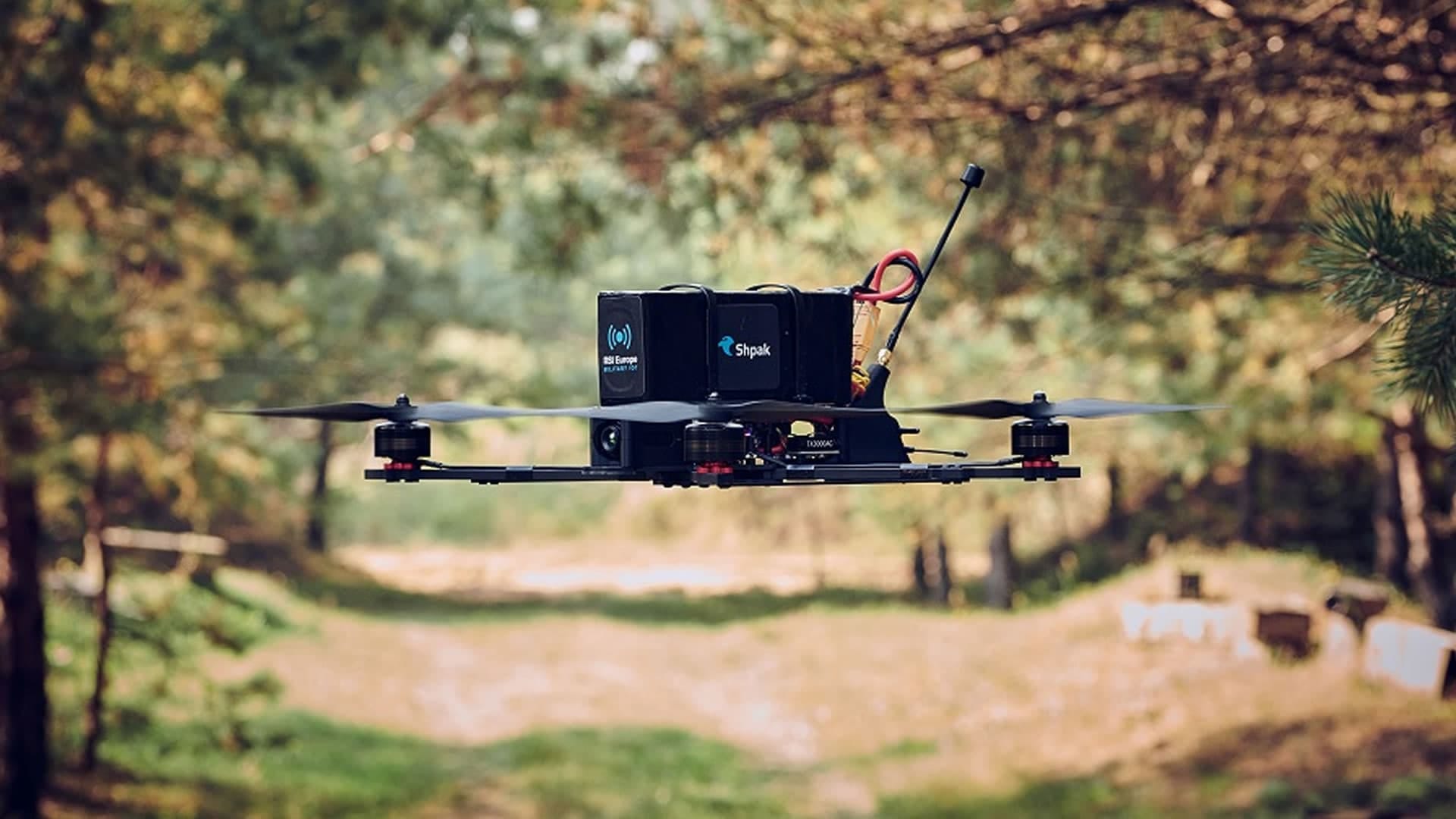
The strategic landscape of 2026 has fundamentally altered the procurement logic for unmanned aerial systems (UAS) within the European Union. The previous reliance on Asian-centric supply chains for tactical drones has been identified as a critical dependency that undermines the Union’s strategic autonomy and operational security. Under the mandate of the SAFE (Security Action for Europe) regulation, the defense industrial base is now prioritizing a sovereign Bill of Materials (BOM) for low-cost and high-attrition drones. This transition is not merely a political aspiration but a regulated industrial requirement that caps non-EU components at thirty-five percent. By focusing on the physical and logical layers of the drone, the EU aims to eliminate hardware backdoors and ensure a resilient supply during high-intensity conflict. The current analysis identifies the specific European “Hidden Champions” that are replacing the traditional foreign dominance in the Class NATO 1 category. These firms provide “vetted” components that align with the rigorous security vetting of 2026. The move toward an independent industrial base is the cornerstone of the defense readiness roadmap. Reclaiming the tactical skies requires a localized and secure manufacturing ecosystem that spans from the flight controller to the motor.