

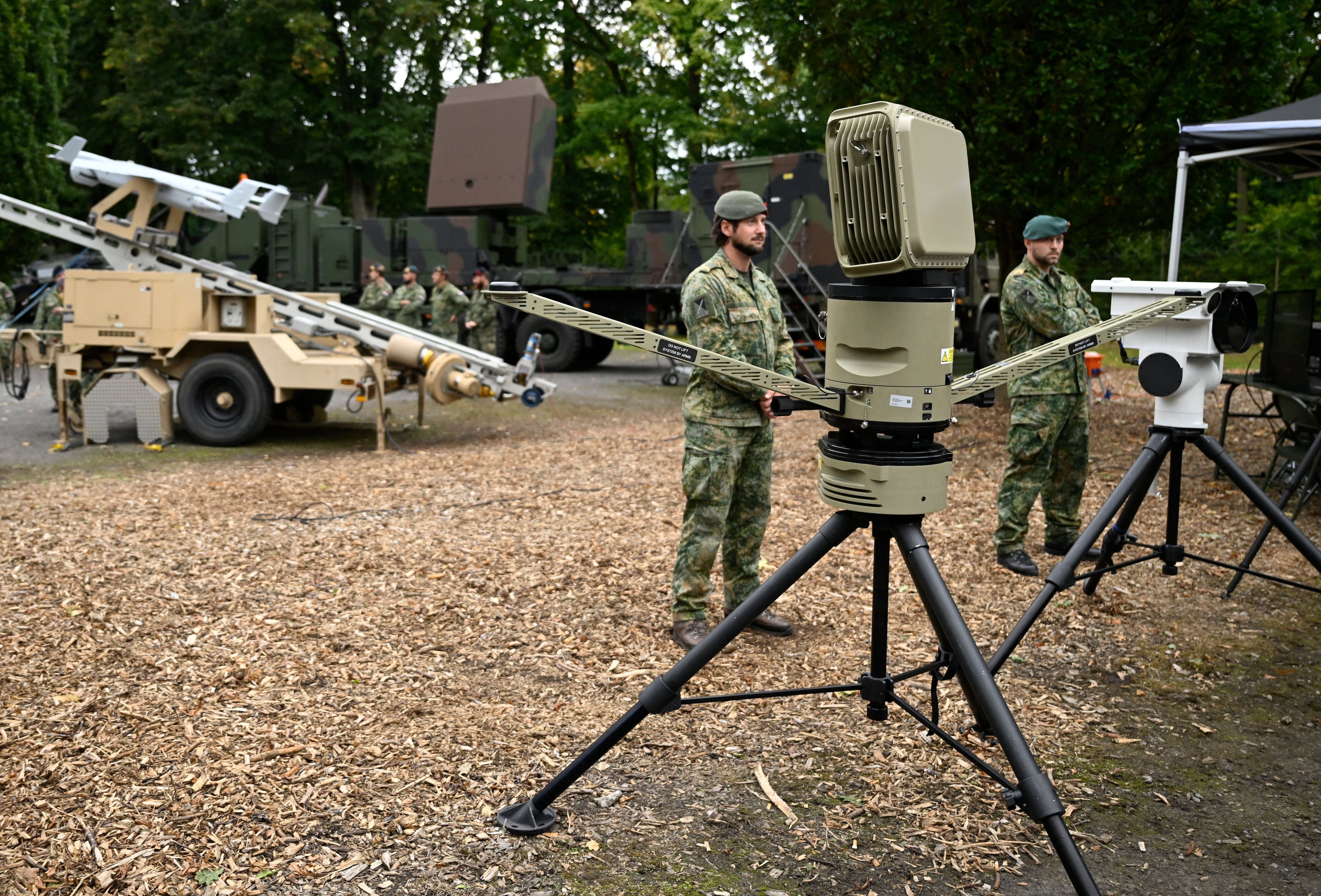
The European counter-unmanned aircraft system (C-UAS) sector is currently facing a pivotal transition toward structured strategic autonomy, driven by the recent adoption of the SAFE (Security Action for Europe) and EDIP (European Defence Industry Programme) regulations. In 2026, the industrial posture of the Union is defined by its ability to secure a sovereign, “ITAR-free” bill of materials that effectively insulates defense capabilities from the restrictive export controls of non-allied third countries. Under Council Regulation 2025/1106, the EU has established a definitive thirty-five percent cap on non-associated third-country components for any procurement projects receiving financial assistance from the massive one-hundred-and-fifty billion euro loan facility. This legislative firewall prioritizes a dynamic ecosystem of Tier-2 and Tier-3 suppliers who provide the foundational “enabling” technologies required for detection, neutralization, and command. By leveraging emergency Treaty provisions under Article 122 TFEU, the Union is accelerating the industrial ramp-up of these specialized champions to secure the Eastern Flank. The objective is to move from ad-hoc emergency aid toward a resilient, software-defined defense industrial base where every node of the C-UAS architecture—from RF sensing to kinetic interception—is governed solely by European jurisdiction and audited manufacturing standards.