

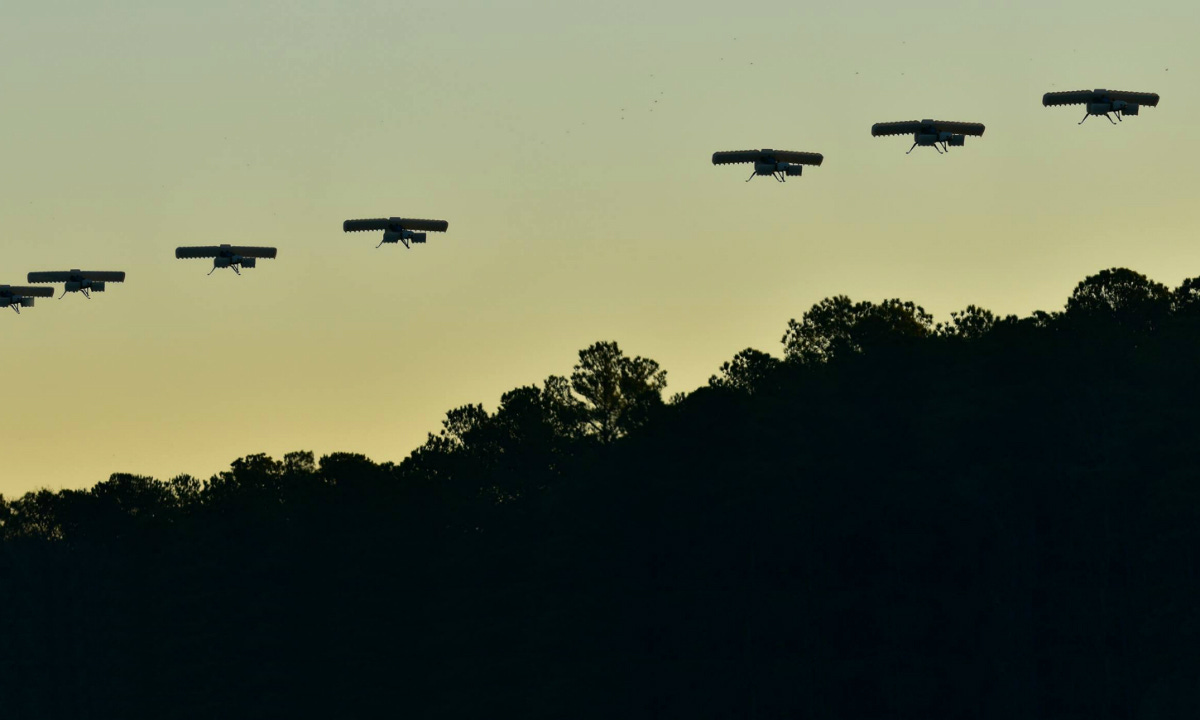
The return of high-intensity warfare has transformed unmanned systems from niche enablers into central instruments of military power. Within this shift, autonomous drone swarms have emerged as a critical capability, not because of individual platforms, but because of their potential to generate mass, resilience, and operational tempo under contested conditions. This report examines swarm coordination as a systemic capability rather than a collection of drones, focusing on how coordination, autonomy, communications, navigation, and sensing interact under electronic warfare, attrition, and degraded command links. The analysis concentrates on Europe’s position, assessing whether existing research, industrial structures, and institutional programs are sufficient to translate experimentation into deployable capability. Particular attention is given to Tier-2 and Tier-3 European companies that control enabling technologies often overlooked in platform-centric assessments. The report situates current European efforts within a defined temporal perimeter, drawing only on publicly verifiable sources. It distinguishes experimental demonstrations from fieldable systems and highlights where gaps remain between ambition and readiness. By linking operational requirements to industrial realities, the study evaluates Europe’s capacity to sustain swarm operations at scale. The objective is to provide defence planners, policymakers, and investors with a clear picture of where European swarm coordination stands today, and what structural constraints will shape its evolution over the next decade.