

Franco-German Security Council: Strategic and Investment Implications
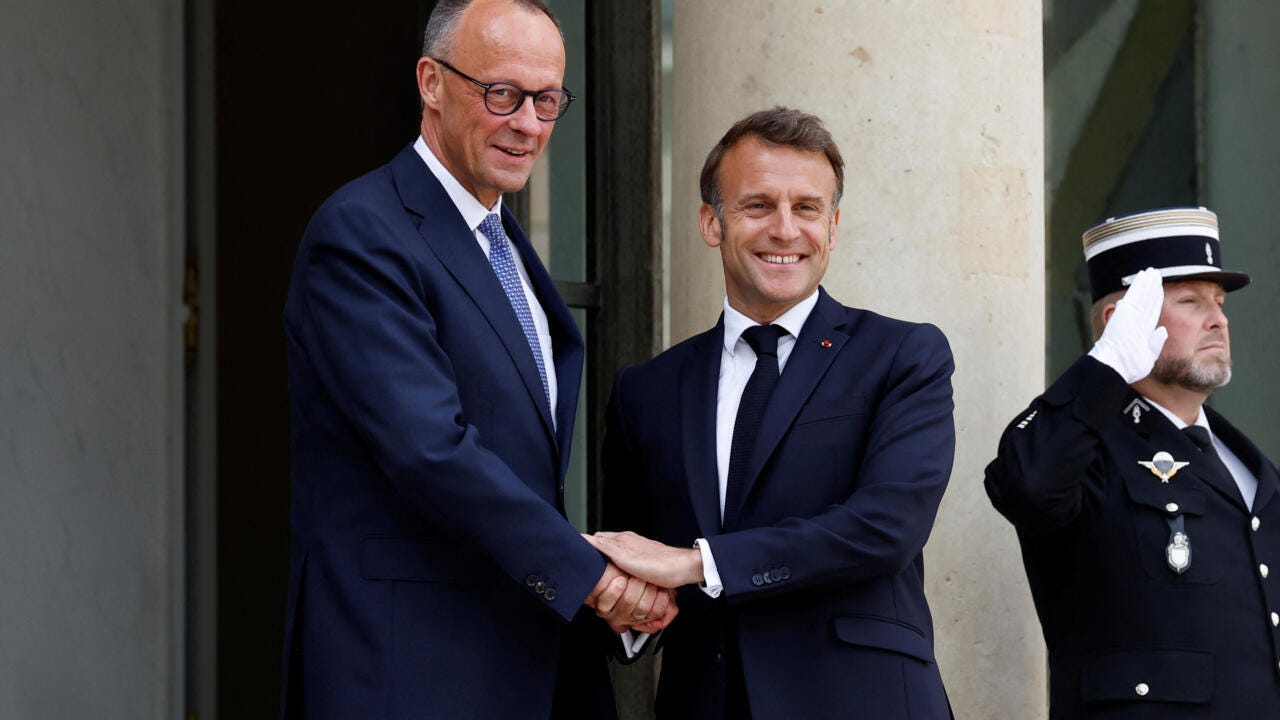
In a Paris summit on May 7, 2025, French President Emmanuel Macron and German Chancellor Friedrich Merz announced a joint defence and security council.
The council, which will meet regularly, is intended to coordinate on shared strategic challenges. Macron and Merz said the aim is to align national defence planning and procurement and to support Ukraine more effectively. The initiative signals renewed Franco-German unity and a push to advance projects like next-generation tanks and fighter jets. It follows Germany’s €100bn defence spending pledge and coincides with EU proposals encouraging joint procurement. Analysts note that the choice of Paris for Merz’s first foreign trip underscores Berlin’s stronger emphasis on EU security.
Merz emphasised that greater European unity would make the continent more secure and called the move a new “push for Europe”. Macron framed the council as necessary to deter Russia and said Europe must invest heavily in its defence technological base.
Overall, the announcement blends political symbolism with concrete defence goals, hinting at deeper Franco-German integration on security. For investors, the move suggests a future of more collaborative procurement and strong demand for European defence industries.
Scaling Dual-Use Defence: Quantum Systems and Tekever Reach €1bn Valuations
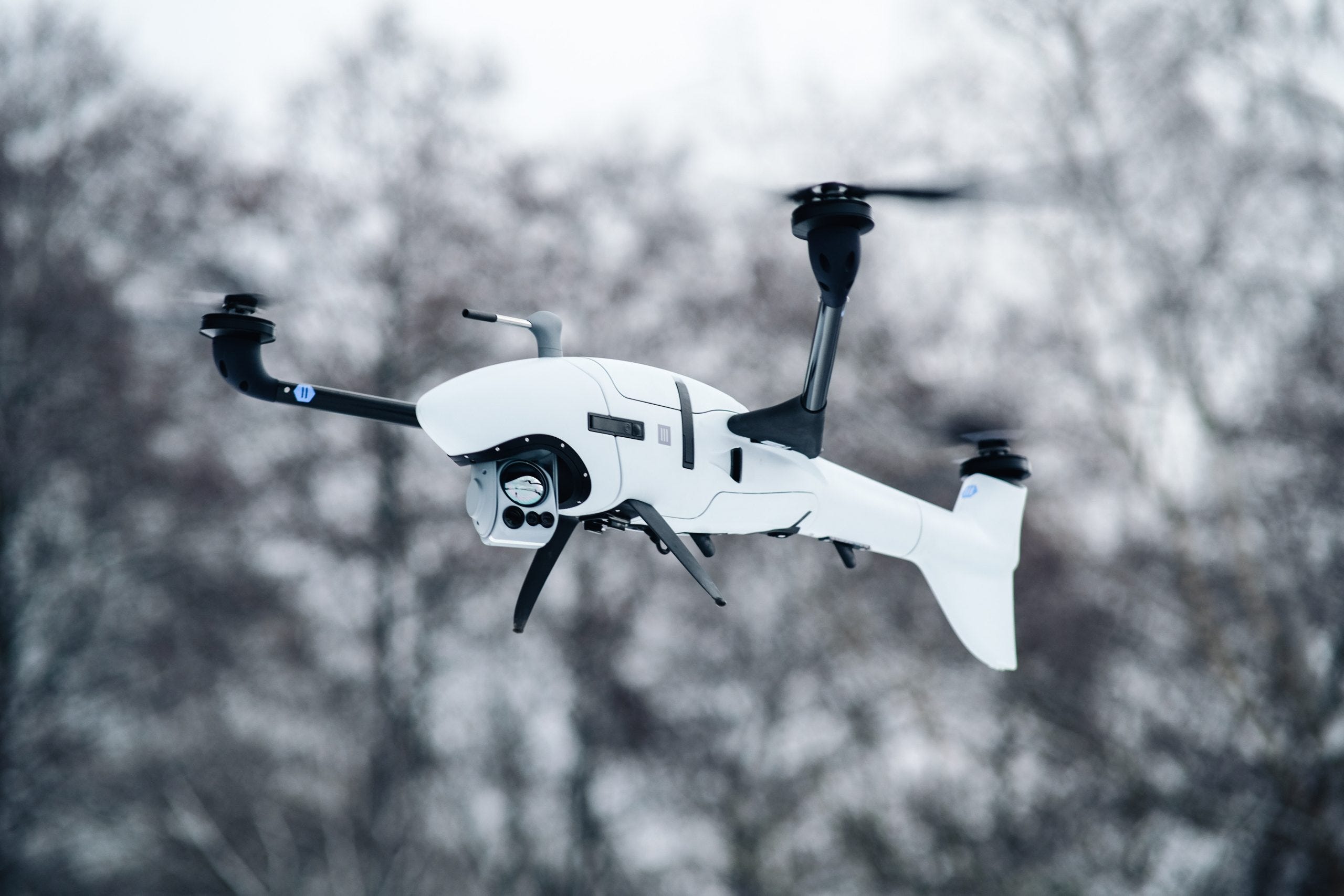
European defence technology start-ups are attracting substantial venture funding, as noted by recent reports. Financial Times (May 6) reports investors are putting hundreds of millions of euros into Germany’s Quantum Systems and Portugal’s Tekever, valuing each at over €1bn. These rounds underline rising appetite for dual-use drones capable of both civilian and battlefield missions. They come amid Europe’s strategic push to boost defence capabilities in the face of regional threats and transatlantic uncertainty. Quantum and Tekever have emerged as leading providers of advanced unmanned aerial systems, each attracting high-profile backers. This surge of capital reflects a shift in the venture ecosystem, as new funds and tech investors enter defence tech. Balderton Capital’s lead in Quantum’s €160mn round is its first major foray into Europe’s defence tech market. Likewise, Tekever’s latest funding (also backed by Baillie Gifford and NATO’s Innovation Fund) underscores investor confidence in its platform. Collectively, these deals signal an inflection point, knitting private investment into Europe’s defence-industrial base. They underscore the value investors place on battlefield-proven platforms and AI-enabled intelligence for future operations.
Strategic Opportunities in Europe’s Defence Tech Renaissance
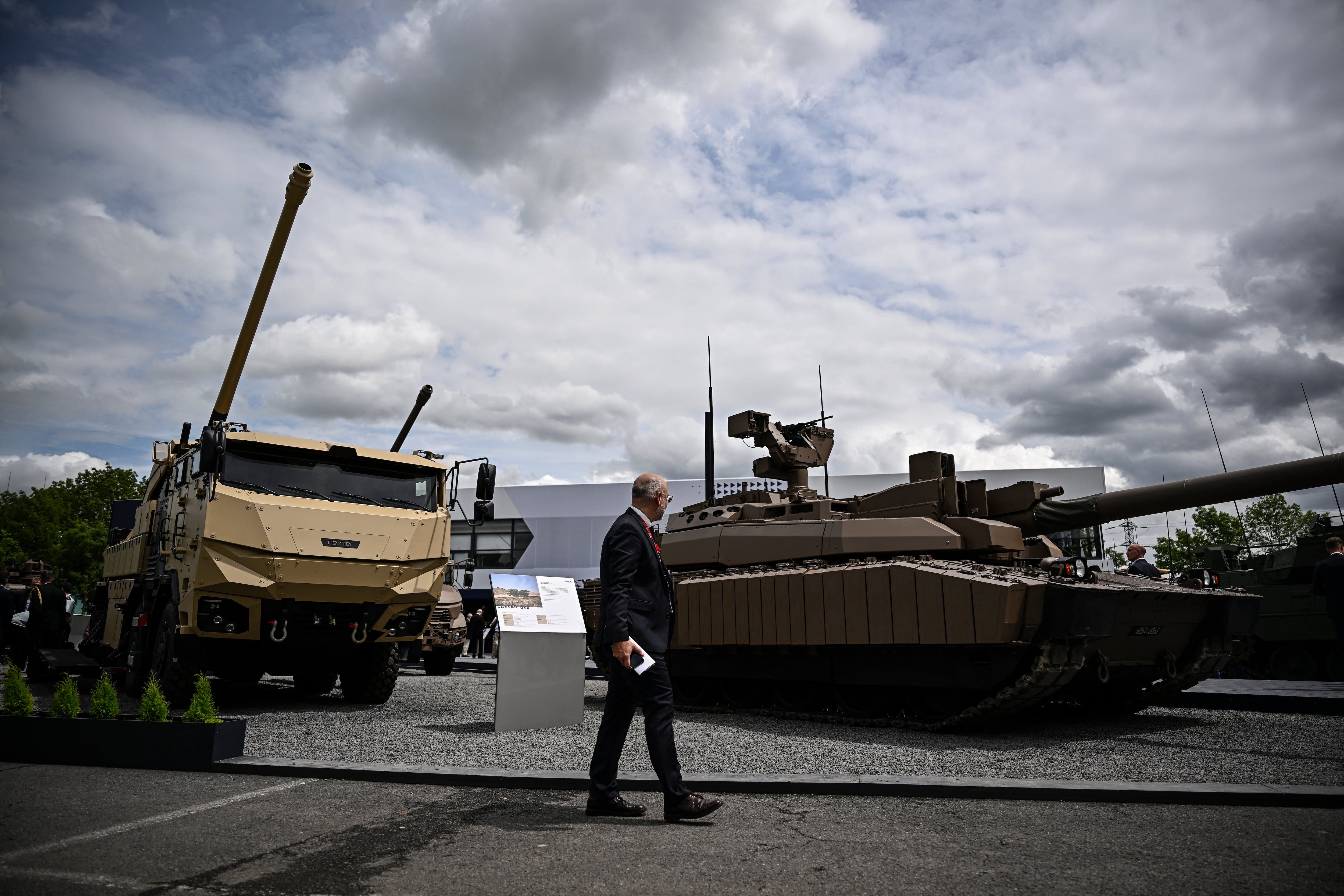
Since Russia’s full-scale invasion of Ukraine and amid signs of U.S. strategic retrenchment, investor interest in European defence tech has surged. Europe’s capitals have pledged large increases in military spending and domestic production to address capability gaps. Consequently, venture funding for defence startups hit record levels: European investment jumped about 24% to $5.2bn in 2024. Analysts describe a “forcible shift” as the US grows protectionist and Europe scrambles to rearm. The narrative has changed: investors now frame defence funding as bolstering sovereignty and resilience, not just seeking returns. New funds and programs have emerged: for example, the EU’s “ReArm Europe” plan explicitly calls for private capital to complement defence spending. Paris-based Tikehau Capital and partners raised an €800m fund focused on aerospace and defence, and Weinberg Capital closed its €215m Eiréné fund above target. These moves are backed by regulatory shifts: NATO’s €1bn Innovation Fund targets dual-use tech (AI, quantum etc.) and the EU now allows defence within sustainable finance rules. PitchBook data confirm momentum: global aerospace and defence deals hit a decade-high 274 transactions in 2024, worth $36.8bn (up 37% year-on-year). Collectively, this shows a broad revaluation of defence: the sector long seen as taboo is now pitched on strategic resilience.
Emerging Technologies in NATO and EU Defence Planning
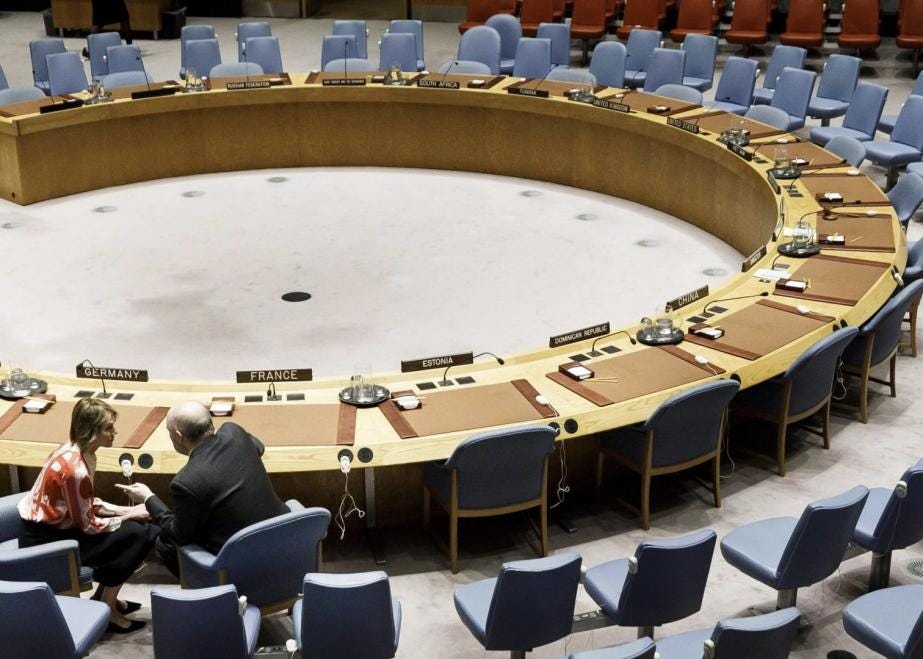
NATO and EU defence planners have made clear that rapidly evolving science and technology will reshape warfare by 2040. NATO explicitly notes that “technologies such as artificial intelligence (AI), autonomous systems and quantum technologies are changing the world and the way NATO operates”. Emerging and disruptive technologies (EDTs) are therefore core to NATO’s strategy – Allies have pledged to “foster the development and adoption of new technologies” and to maintain a technological edge via joint initiatives like the Defence Innovation Accelerator for the North Atlantic (DIANA) and a €1 billion NATO Innovation Fund. The Alliance’s 2022 Strategic Concept similarly commits to increasing investment in EDTs so that NATO retains its interoperability and military edge. In parallel, the EU’s Capability Development Plan (CDP) beyond 2040 identifies long-term trends (climate, demography, geopolitics) and explicitly incorporates EDTs (AI, autonomy, space, cyber, biotech, etc.) as critical enablers of future capability requirements.
Development of defence-oriented AI and autonomous systems in NATO and EU
NATO and the EU have placed AI and autonomy at the top of their defence innovation agendas. At the 2021 Brussels summit, Allies launched DIANA (the Defence Innovation Accelerator for the North Atlantic) to engage startups in AI, autonomy, and other disruptive tech. The 2024 NATO AI Strategy explicitly calls for “expanding NATO’s AI ecosystem” through closer industry ties (including DIANA and the NATO Innovation Fund). The European Defence Agency likewise reports hundreds of millions of euros of R&T funding for AI and autonomous systems. Brussels even reformed EU funding rules to pour civilian tech money (via the STEP framework) into defence projects, with a special emphasis on drones, cyber-warfare, and autonomous capabilities. This policy push frames AI as essential for next-generation ISR, C2 and multi-domain operations.