

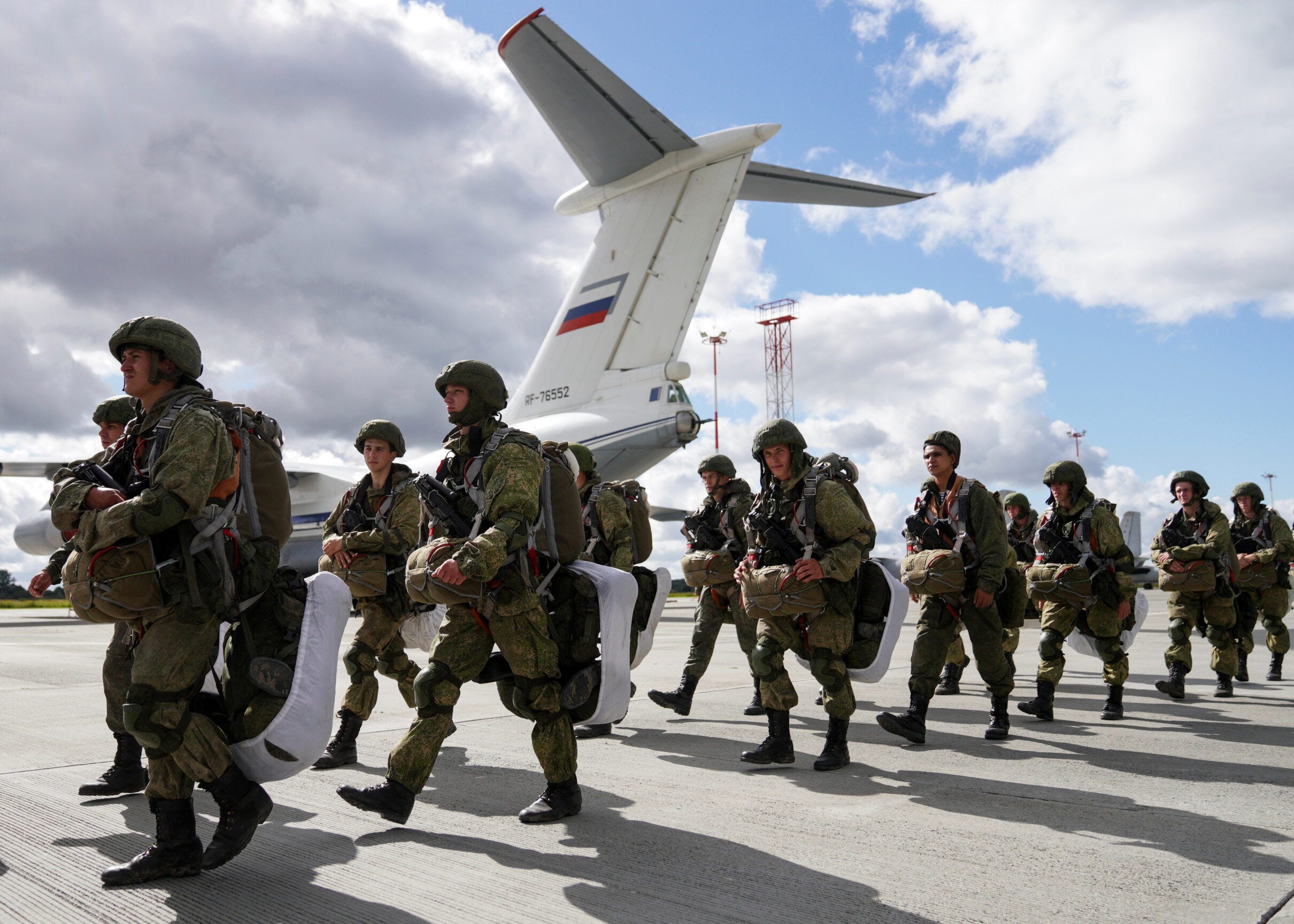
The recent Russian drone incursions into Polish airspace, followed by similar violations of Romanian skies, have highlighted the fragility of the balance on which Atlantic deterrence rests. Nineteen drones, launched largely from Belarus with Moscow’s complicity, penetrated deep into Polish territory: some were shot down, others crashed without casualties. In the same weeks, fragments of Russian drones fell on Romanian soil during attacks near the Danube, once again testing the resolve of the Alliance. Moscow insists these were navigational errors caused by electronic jamming, yet such explanations appear unconvincing. It is far more plausible that these were deliberate provocations designed to probe NATO’s responsiveness. The Alliance’s essence is not only military but political: credibility depends on upholding the pledge to defend every inch of members’ territory. If that credibility falters, the consequences could be severe: increased Russian aggressiveness, loss of trust among allies, and the erosion of deterrence that has preserved European stability for more than seven decades.