

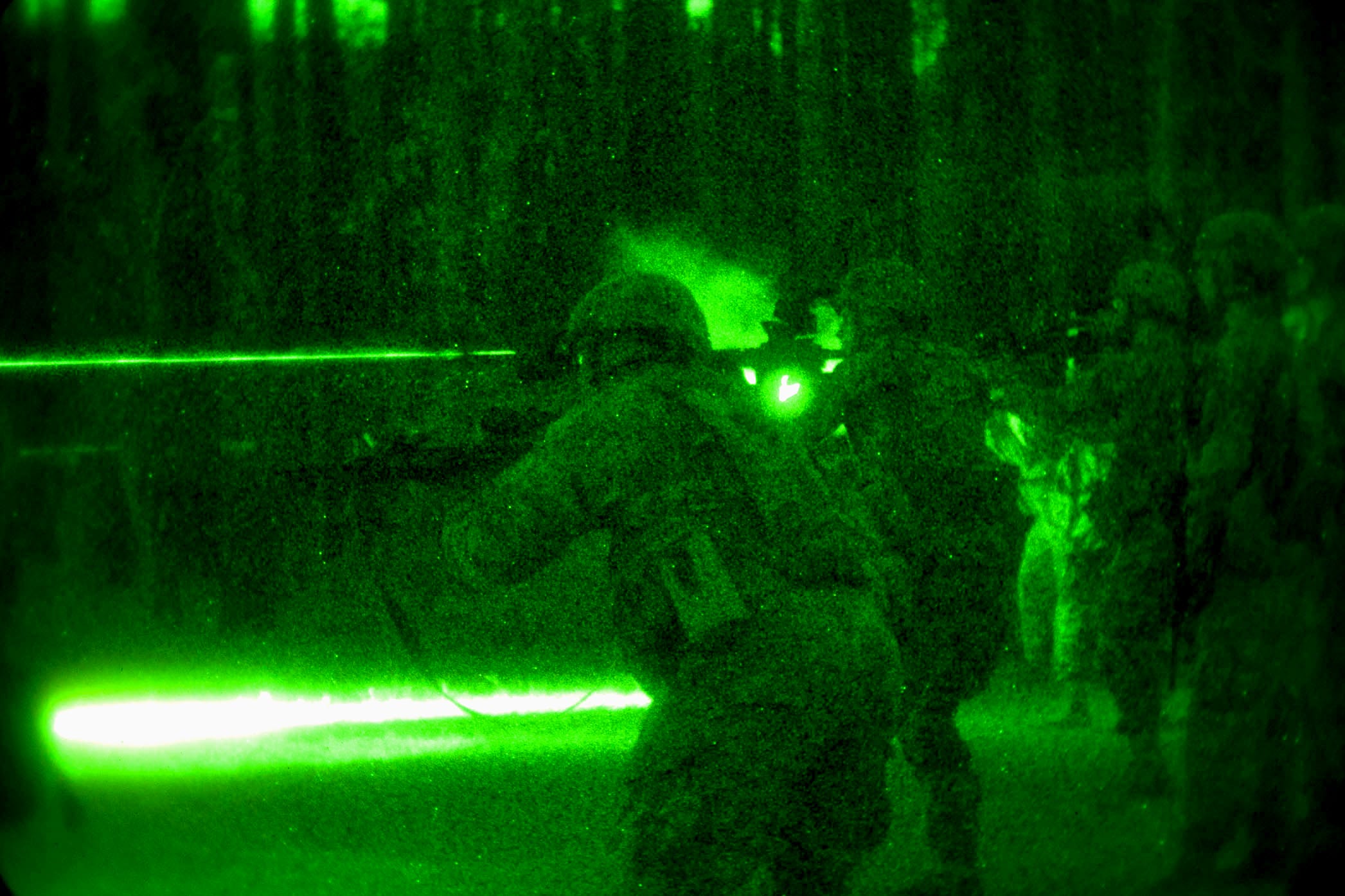
Sensors originally developed for military use – such as thermal/IR imaging for night vision, radar for threat detection, and LiDAR for precise range-finding – are increasingly moving into consumer markets. These robust sensors were first prioritized in defence R&D to enable targeting, surveillance, and navigation in darkness or obscurants[1][2]. Today, similar capabilities are finding civilian applications in vehicles, home security, healthcare diagnostics, and IoT devices. For example, inexpensive smartphone thermal cameras (FLIR One, Seek) bring forward-looking infrared (FLIR) imaging to consumers[3], while automotive radars and LiDARs (once rare) are now used in advanced driver-assistance systems (ADAS) and prototype autonomous cars[4][5]. In short, sensors that “see” heat, motion or shapes where human vision fails are opening new markets. These technologies’ transition promises multi-billion-dollar opportunities in areas like self-driving cars, smart home security, and remote health monitoring – provided technical and regulatory hurdles can be overcome.