

Defence Finance Monitor is a specialised analysis and intelligence platform focused on the nexus between European defence policy, strategic industries, and public investment. Each issue provides in-depth, carefully considered assessments designed to offer maximum strategic insight to subscribers.
Far from superficial or rapid commentary, DFM delivers structured and rigorous analysis based on primary sources, official documents, and sectoral data. The aim is to support professionals—investors, policymakers, industry leaders, and analysts—with the depth and clarity needed to understand how defence funding and procurement decisions are reshaping markets, capabilities, and geopolitical balances in Europe and beyond.
Understanding the Industrial Implications of the UK's Strategic Defence Review 2025
The Strategic Defence Review 2025 marks a turning point in the UK’s defence and industrial policy. Framed by a context of geopolitical volatility, intensified military competition, and renewed commitments to NATO, the review sets out a radical transformation of British defence posture, doctrine, and capabilities. At the centre of this transformation lies an ambitious financial pledge: the government will increase defence spending to 2.5% of GDP by 2027, with the stated ambition to reach 3% in the following Parliament. This translates into the most substantial and sustained rise in UK defence budgets since the Cold War, with total expenditure projected to increase by nearly £6 billion in real terms between 2023 and 2026 alone. The Defence Investment Plan, due in Autumn 2025, will allocate these resources across equipment, infrastructure, digital transformation, force readiness, and innovation.
Germany’s Strategic Military Expansion: Responding to NATO’s New Defence Demands
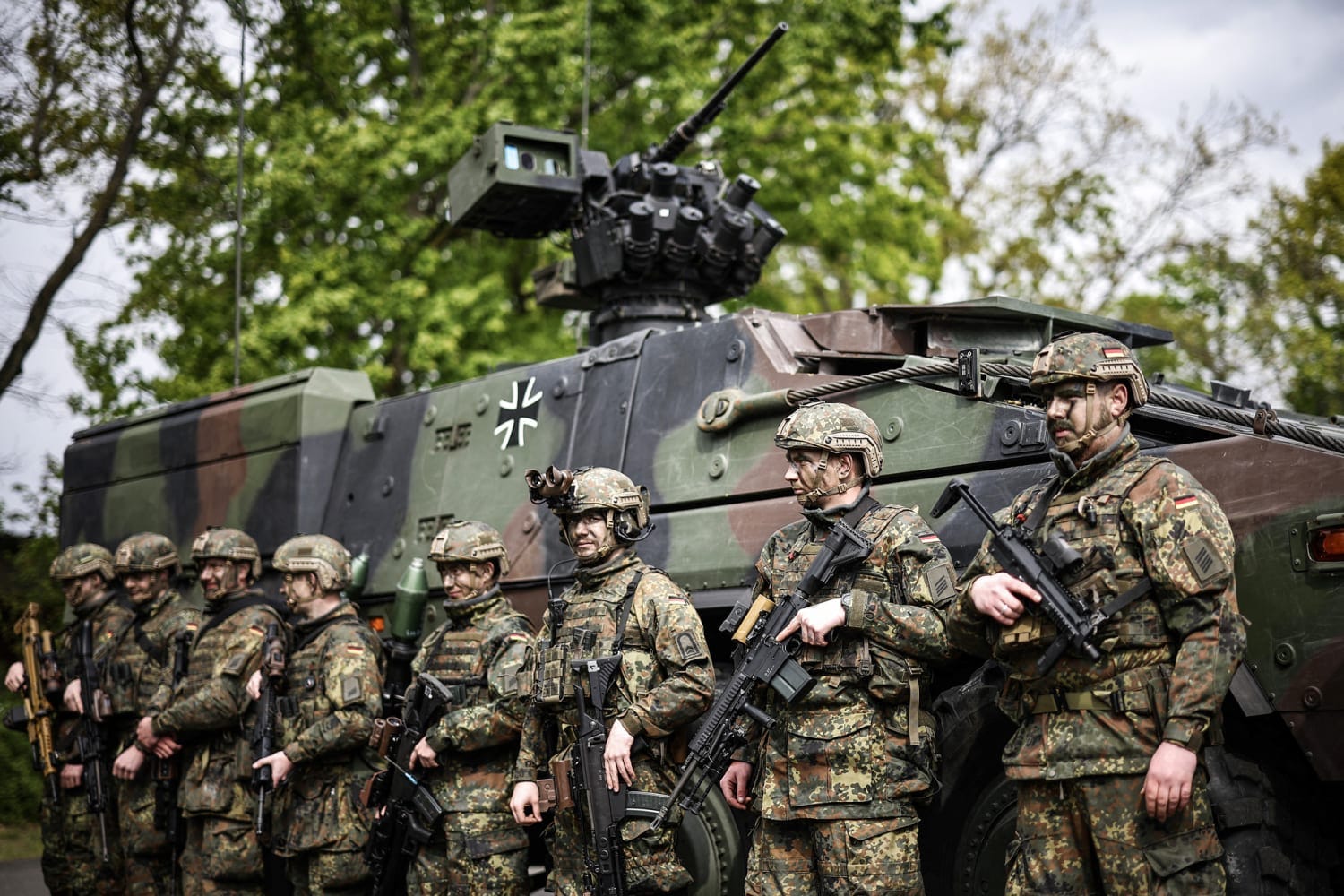
Germany has announced plans to expand its Bundeswehr by about 50,000–60,000 troops, bringing its total to roughly 250,000–260,000. The expansion is in response to new NATO defence plans adopted in 2025, the first since the Cold War, aimed at deterring a Russian attack. These classified plans outline allied responses to a possible invasion and identify severe shortfalls in allied capabilities. In particular, NATO flagged deficits in large, combat-ready ground formations, long-range weapons, ammunition stockpiles and secure communications. Leaders like NATO Secretary-General Mark Rutte emphasize that closing these gaps will require major investments in air defence, long-range missiles, and mobile land forces. Germany’s Defence Minister Boris Pistorius said Berlin must “step up to our responsibility” as Europe’s largest economy given the increased threat from Russia. The announced increase thus marks a significant shift in Germany’s military policy toward preparing for large-scale territorial defence. For decades Germany’s post-Cold War military strategy had assumed a lower-threat environment and smaller force posture. This new plan, by contrast, signals that Germany is aligning its policy with NATO’s collective defence strategy in the face of renewed great-power conflict. It also reflects internal political debates over burden-sharing, as German leaders seek to meet alliance expectations. Observers note this policy pivot follows the broader European trend of upending old defence doctrines in response to Russian aggression. The pledge to grow the Bundeswehr therefore must be seen as both a response to alliance requirements and a major evolution in Germany’s own military doctrine.
NATO Launches Strategic Tech Accelerator: €100,000 Grants for Dual-Use Innovation
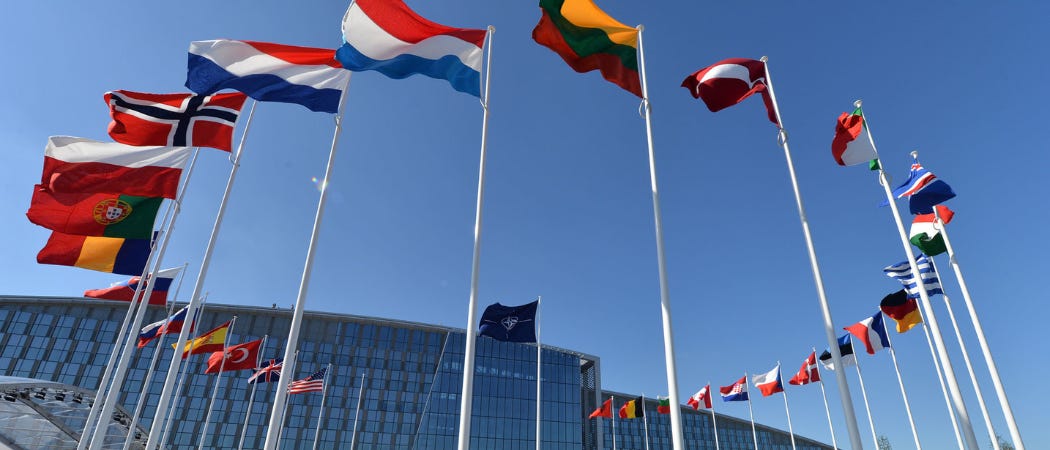
On 2 June 2025, the Defence Innovation Accelerator for the North Atlantic (DIANA) under NATO unveiled ten challenge areas seeking foundational dual‑use deep technologies. These challenges reflect NATO’s strategic priorities encompassing energy generation and power systems, advanced communications, contested electromagnetic environments, human resilience including biotechnology, and critical infrastructure, logistics, extreme‑environment operations, maritime and space operations, autonomy, unmanned systems, and data‑assisted decision‑making. Innovators have until 12:00 UTC on 11 July 2025 to submit proposals. Selected entities will enter the first phase of DIANA's accelerator programme commencing in January 2026, becoming part of the 2026 cohort. The call aligns with DIANA’s mandate to anticipate and address future alliance defence and civilian security challenges through innovative technologies.
NATO’s Multi-Lateral Support to Ukraine
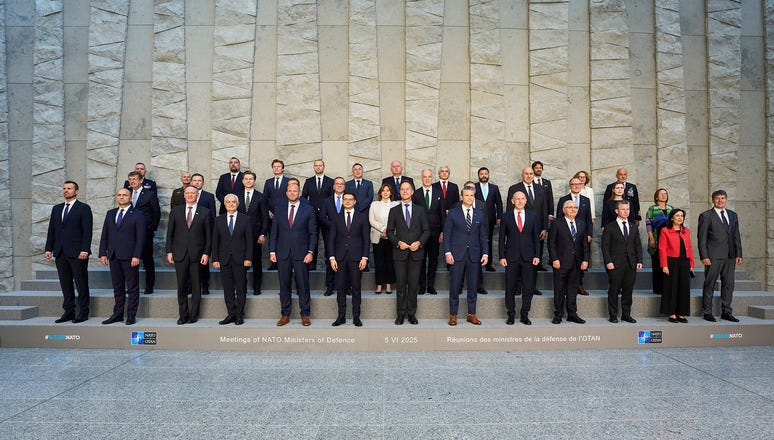
In June 2025, NATO defence ministers met in Brussels to address Europe’s security amid the Ukraine war. They agreed to far-reaching increases in collective capabilities – including a 30% boost in equipment targets – and to link these new requirements to firm defence plans for deterring Russia. NATO Secretary General Mark Rutte said the targets “describe exactly what capabilities Allies need to invest in” to keep NATO’s deterrence strong. Underpinning this shift is NATO’s new Force Model, which replaces the old Response Force by assigning allies’ national forces into high-readiness tiers. The Force Model effectively triples NATO’s pool of forward forces at short notice, ensuring that defence plans are backed by pre-assigned, combat-ready units in each domain. Defence planners have connected these Force Model readiness tiers (0–10 days, 10–30 days, 30–180 days) to the new capability targets. In practice, NATO nations must substantially expand stocks of air defence systems, long-range missiles, logistics and troop formations – with 30% more weapons and equipment than pre-war plans.