

Defence Finance Monitor provides in-depth analysis of the defence industry and strategic policy areas most relevant to investors. It supports financial professionals in interpreting the evolving criteria of Europe’s strategic autonomy, identifying sectors and companies aligned with NATO, EU policy frameworks, and the emerging ESG paradigm centred on Energy, Security, and Geostrategy. DFM highlights long-term investment opportunities linked to Europe’s rearmament and industrial modernisation, with particular attention to entities positioned to benefit from EU programmes such as EDF, PESCO, and SAFE. It decodes regulatory frameworks including SFDR and the EU Taxonomy, grounding all analysis in official sources with an emphasis on compliance, clarity, and actionable insight. DFM focuses exclusively on companies operating within liberal democracies and on sectors that enhance the strength and resilience of open societies—wherever they are—vis-à-vis authoritarian competition, with a primary focus on Europe.
Joint European Electromagnetic Warfare Convergence Initiative (JEEWCI)
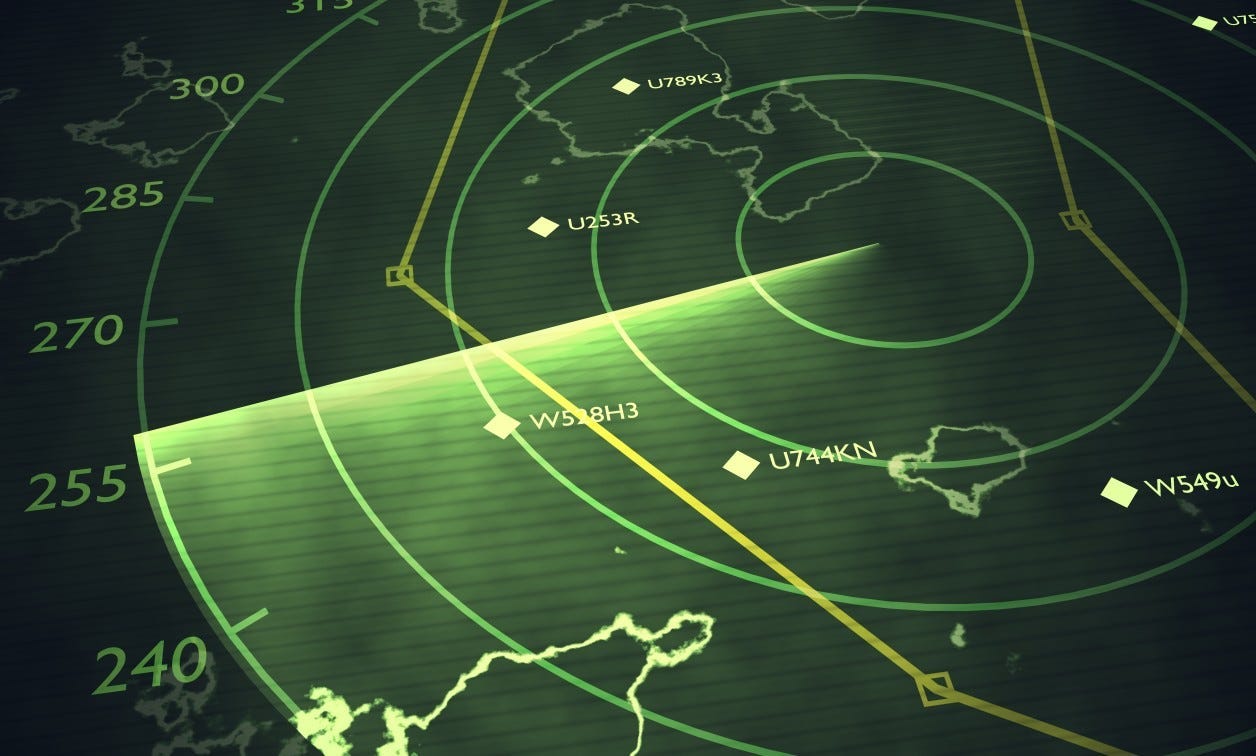
The Joint European Electromagnetic Warfare Convergence Initiative (JEEWCI) is a collaborative PESCO project launched in May 2025 (6th wave) to address the growing need for coordinated electronic warfare (EW) capabilities within the EU. JEEWCI – coordinated by Germany with participation from the Netherlands (and open to other Member States) – “aims to establish a common basic training programme in the field of Electronic Warfare (EW) and analyse the need for a common European EW doctrine”. In practice, this means developing harmonized EW curricula and ultimately a joint EW doctrine, so that EU forces can operate seamlessly in the electromagnetic domain. The project’s stated objectives include implementing a unified EW training course (using a harmonized syllabus), establishing a working group to develop a European EW doctrine, and conducting joint advanced mission-oriented training based on that doctrine.
Advanced Robotics in Military Defense
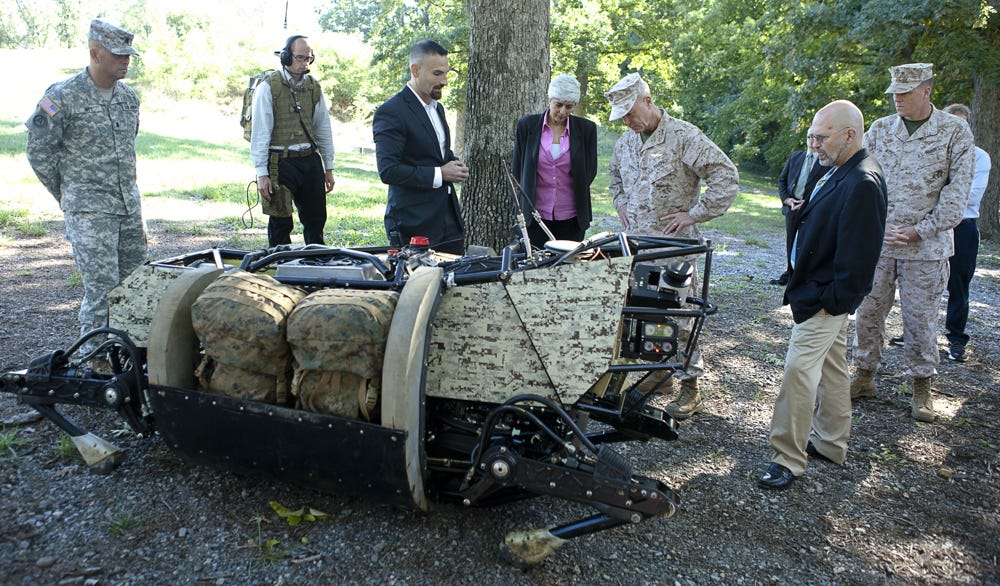
Advanced military robotics are poised to transform defense capabilities between 2025 and 2035. Unlike uncrewed aerial drones, this report focuses on physically embodied systems operating on land or worn by soldiers. These include legged robots (quadrupeds and humanoids), exoskeleton suits for soldier augmentation, robotic logistics carriers, robotic repair/support units, and advanced unmanned ground vehicles (UGVs) equipped with weapons or sensors. Militaries worldwide – from the U.S. and NATO allies to Russia and China – are investing in such systems. Early programs like DARPA’s Legged Squad Support System (LS3) demonstrated the potential of legged “pack mule” robots to follow troops and carry gear. More recently, quadrupedal robots developed by firms like Ghost Robotics have been field-tested for security patrols. Russia’s deployment of the Uran-9 armed UGV and China’s trials of powered exoskeletons highlight a growing global competition in military robotics. This report examines the capabilities of these systems, their operational impact and doctrinal implications, and a strategic outlook toward 2035, using authoritative defense sources and real-world trial data.
Directed Energy Weapons and the Future of Military Power
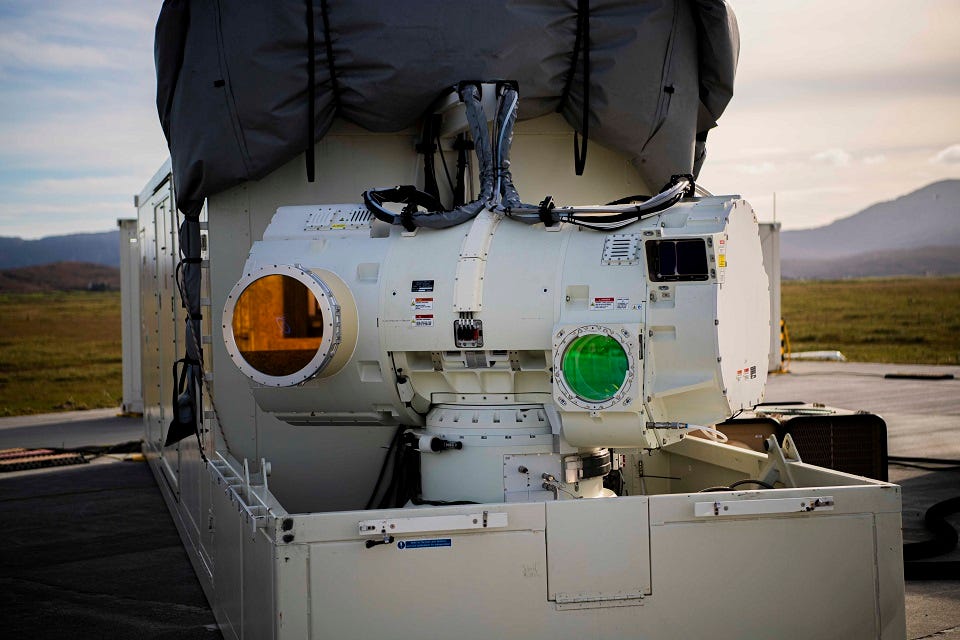
Directed Energy Weapons (DEWs) are military systems that emit focused energy – such as high-power laser beams or microwaves – to disable or destroy targets without traditional munitions. After decades of research, DEWs are entering an emerging operational role in the 2025–2035 timeframe, with Western armed forces fielding demonstrators and initial systems. The United States deployed the first operational laser weapon in 2014 aboard USS Ponce, and since then has accelerated development across all services. Key programs like the U.S. Navy’s HELIOS laser, the U.K.’s DragonFire laser, and the U.S. Air Force’s CHAMP high-power microwave missile have moved from concept to reality, backed by successful trials and official acknowledgments. NATO and allied nations (UK, France, Germany, among others) are investing in directed-energy capabilities as part of a layered defense against drones, missiles, and other airborne threats. This report provides a detailed technical review of current DEW capabilities, their operational impact and limitations, and the doctrinal and strategic implications of integrating these novel weapons into military forces over the next decade. All analysis is grounded in real-world programs and demonstrators documented by defense agencies, militaries, or reputable research organizations.
Essential Books
"Weapons in Space" by Aaron Bateman

Aaron Bateman's Weapons in Space: Technology, Politics, and the Rise and Fall of the Strategic Defense Initiative examines the evolution of U.S. military space policy through the lens of the Strategic Defense Initiative (SDI), initiated during the Reagan presidency. The book offers a detailed analysis of how technological aspirations intersected with political objectives during the final decades of the Cold War. Bateman contends that SDI, commonly known as "Star Wars," was not merely a defense project but a politically charged instrument that reshaped U.S. strategic thinking about space. He situates SDI within a broader context of evolving U.S. perceptions of space as a potential theater of military operations, examining its implications for arms control and transatlantic relations. The book underscores how technological choices were not neutral but shaped by ideological, strategic, and diplomatic factors that had long-term consequences for global security and the militarization of space.
"The AI Wave in Defence Innovation" editors Michael Raska and Richard A. Bitzinger

In The AI Wave in Defence Innovation, editors Michael Raska and Richard A. Bitzinger offer a comprehensive examination of how artificial intelligence is transforming military strategy, capabilities, and global power dynamics. The volume argues that AI is a fundamentally disruptive force, unlike previous technological waves, and explores the convergence of strategic competition, dual-use innovation, and changing models of human-machine interaction in warfare. This collection systematically analyses military AI trajectories across major and middle powers, highlighting national approaches, strategic doctrines, ethical governance, and implications for international stability. The editors assert that military innovation is no longer confined to traditional state actors and defence contractors but is now deeply influenced by private-sector advancements and commercial AI developments. The integration of AI into military affairs, they contend, is redefining defence priorities, altering alliances, and creating both new operational competencies and systemic risks. The book’s multidisciplinary approach underscores the growing interdependence between technological, political, and organisational factors in shaping the future of warfare.