

Defence Finance Monitor is a specialised source of analysis for professionals who seek to anticipate how strategic priorities shape investment patterns in the defence sector. In a landscape shaped by high-stakes political choices and rapid technological shifts, understanding the link between military doctrine, operational requirements, and industrial policy is not a competitive edge—it is a prerequisite.
We analyse how strategic imperatives set by NATO, the European Union, allied Indo-Pacific democracies, and national Ministries of Defence translate into procurement programmes, innovation roadmaps, and long-term industrial priorities. Rather than listing individual companies, we track how clearly defined strategic challenges—such as deterrence gaps, technological dependencies, or capability shortfalls—are converted into funding schemes and institutional demand. Only companies that respond to these challenges become relevant to institutional buyers and, by extension, to investors. This framework has already enabled a growing community of analysts and financial professionals to make more consistent, risk-aware decisions and to avoid costly misalignments.
Building on this methodology, we are developing a structured database of companies analysed and classified according to the strategic-technological criteria set out in our framework. Subscribing to Defence Finance Monitor therefore provides not only access to in-depth reports, but also to a continuously expanding database of European and allied defence firms assessed against clear benchmarks. Each company is positioned according to its alignment with EU and NATO priority capability areas, its contribution to European strategic autonomy, its level of interoperability and deterrence value, and its role in reducing dependencies on non-allied suppliers. Classification also covers technology readiness levels, participation in EU and NATO programmes, intellectual property assets, and dual-use applications. This allows subscribers to compare, benchmark, and identify the most strategically relevant actors within a coherent, transparent, and decision-oriented taxonomy.
Subscribing to Defence Finance Monitor means gaining access to a strategic intelligence service that connects financial decisions with defence priorities. At the core of our work is a structured database of European and allied defence companies, classified according to strategic-technological criteria such as autonomy, interoperability, deterrence, and supply chain resilience. In today’s environment, profitable investment requires more than market data: it requires understanding how limited public resources are channelled toward specific capability gaps, sovereign technologies, and the reduction of non-allied dependencies. By combining in-depth reports with a continuously expanding company database, Defence Finance Monitor enables investors to anticipate demand, benchmark firms against institutional priorities, and avoid costly misalignments.

Defence ETFs and the Mainstreaming of the Sector
The defence and security sector has seen a dramatic rise in prominence among investors in recent years. Heightened geopolitical tensions – notably Russia’s war in Ukraine, instability in the Middle East, and doubts over U.S. strategic commitments – have driven governments worldwide to sharply increase military spending. World military expenditure reached a record \$2.72 trillion in 2024 (up 9.4% from 2023)[1], with Europe alone boosting its budgets by 17% and the United States reaching nearly \$1 trillion (66% of NATO’s total)[2][3]. In this context, defence companies and their stock prices have rallied. Institutional and retail investors – from sovereign wealth funds to individual savers – have sought exposure to this trend via equity markets. Exchange-traded funds (ETFs) focused on defence and related technologies have proliferated, transforming what was once a niche or even “taboo” segment into a visible investment theme. This study examines the rise of defence/security ETFs: mapping the global universe of active funds, their design and indices, investor flows and sentiment, regulatory factors (including ESG), and the implications for financial markets, industry, and security policy. We draw on authoritative sources (Reuters, Financial Times, ETF providers, NATO/EU reports, think tanks, etc.) from 2024–2025 to provide detailed, up-to-date analysis.
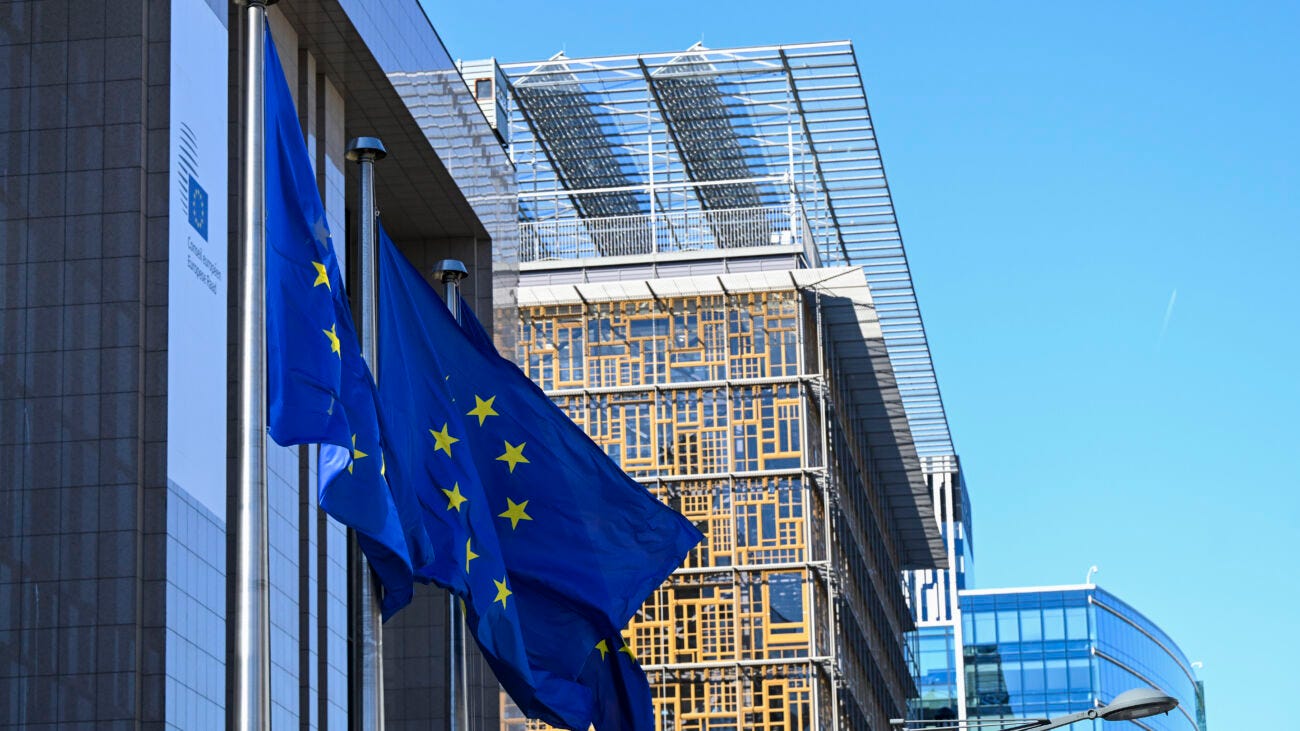
Cohesion Funds and the Strategic Turn: Defence, Dual-Use, and Supply Chain Resilience
The European Union’s mid-term review of cohesion policy in September 2025 marks a turning point in the integration of defence and security considerations into structural funding. Traditionally designed to reduce regional disparities and promote social cohesion, the European Regional Development Fund (ERDF), the Cohesion Fund, and the Just Transition Fund (JTF) are now explicitly aligned with the strategic imperatives of resilience, autonomy, and deterrence. The Russian war of aggression against Ukraine exposed the fragility of Europe’s industrial base and the vulnerability of critical supply chains. In this context, cohesion policy is being redefined: it is no longer solely an instrument for balanced development but also a lever to strengthen Europe’s defence-industrial and technological base (EDTIB). By linking cohesion resources to dual-use infrastructure, defence production capacity, cybersecurity, and civil preparedness, the Union elevates cohesion from a redistributive tool to a component of strategic sovereignty.
Company Profiles & Industrial Intelligence
Descope’s $88 Million Seed Extension Marks a Strategic Shift in Dual-Use Cybersecurity
The United States cybersecurity landscape has gained a new signal of investor confidence with the announcement by Descope, a Palo Alto-based startup, that it has successfully extended and closed its seed financing round, bringing total funding to $88 million. The company secured an additional $35 million from existing backers, highlighting the strong momentum behind its dual-use identity and access management platform. Founded in 2022 by serial entrepreneurs with a successful track record in the security sector, Descope has quickly attracted attention for its no-code and low-code approach to external identity management. Its platform simplifies how organizations design and manage identity journeys for customers, partners, and increasingly, AI agents and machine communication platforms. The funding round represents not only a validation of the company’s business model but also a sign of where private capital is moving: toward enabling technologies that underpin critical supply chains, government contractors, and emerging digital ecosystems.
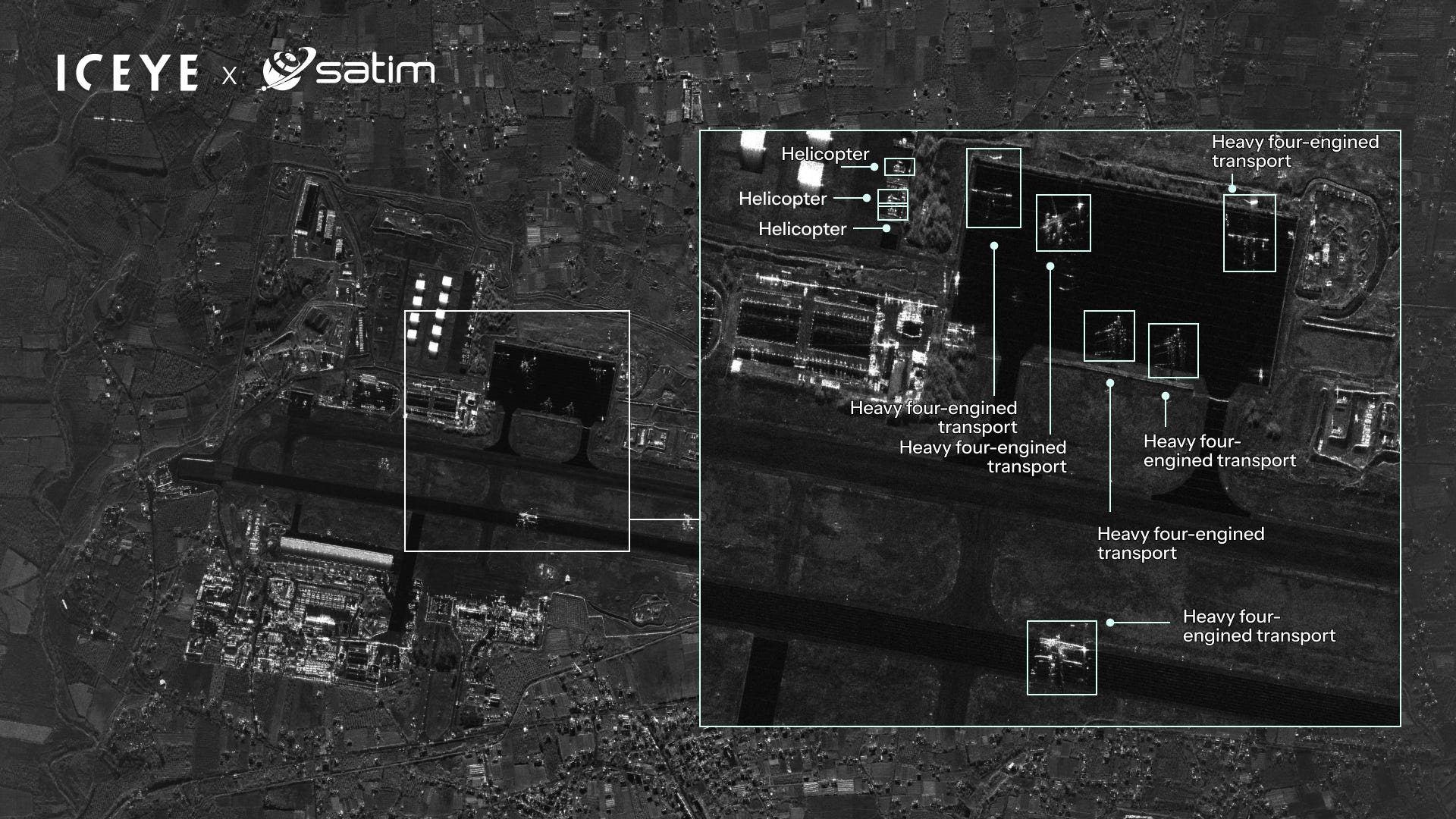
ICEYE Demonstrates Tactical ISR Cell at NATO Tiger Meet 2025
On 26 September 2025, ICEYE, a Finland-based space company classified as a scale-up and mid-cap player in the synthetic aperture radar (SAR) segment, announced the operational demonstration of its new ISR Cell during the NATO Tiger Meet exercise in Beja, Portugal. The exercise, involving 1,700 personnel from 12 NATO members, provided an international setting for testing interoperability and joint tactics. ICEYE’s participation represented the first time a commercial space-SAR operator outside the circle of traditional prime contractors showcased an end-to-end ISR capability in a NATO multinational exercise. For a firm established as a venture-backed startup and now consolidating its industrial role, the demonstration constitutes a symbolic milestone: it indicates not only technological maturity, but also recognition of tactical relevance by NATO forces. The event follows a sequence of September announcements on the launch of ICEYE’s fourth-generation SAR satellites, contracts with national defence institutions, and direct service agreements with NATO bodies, highlighting a robust pipeline of institutional demand for tactical space-based intelligence.
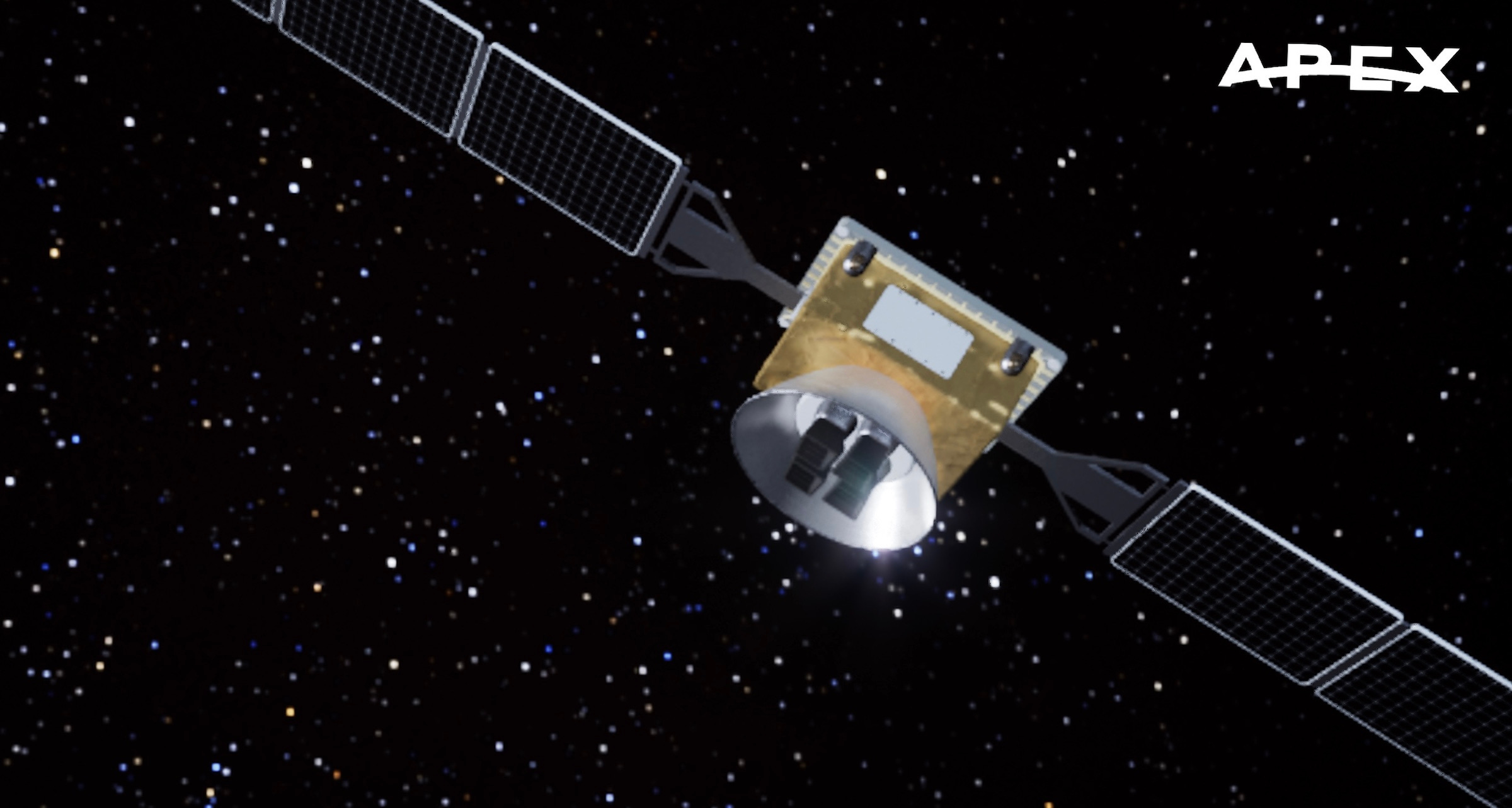
Apex’s $200 million round and the defence-space production shift
The latest funding round for Apex marks a relevant inflection in the economics of space manufacturing. A company purpose-built for standardized, configurable satellite buses has secured late-stage capital to accelerate output at a time when governments and commercial constellations are converging on similar requirements: speed to orbit, predictable unit costs, and reliable supply. The financing event signals investor confidence in vertically integrated, productized spacecraft platforms rather than bespoke engineering alone. It also reflects a broader strategic trend in which satellite buses are treated as industrial products, with scale effects, quality control, and repeatability comparable to advanced electronics and automotive modules. In this setting, mass-manufacturing discipline, inventory strategy, and vendor management become decisive levers for schedule assurance and risk mitigation across defence and commercial programs.
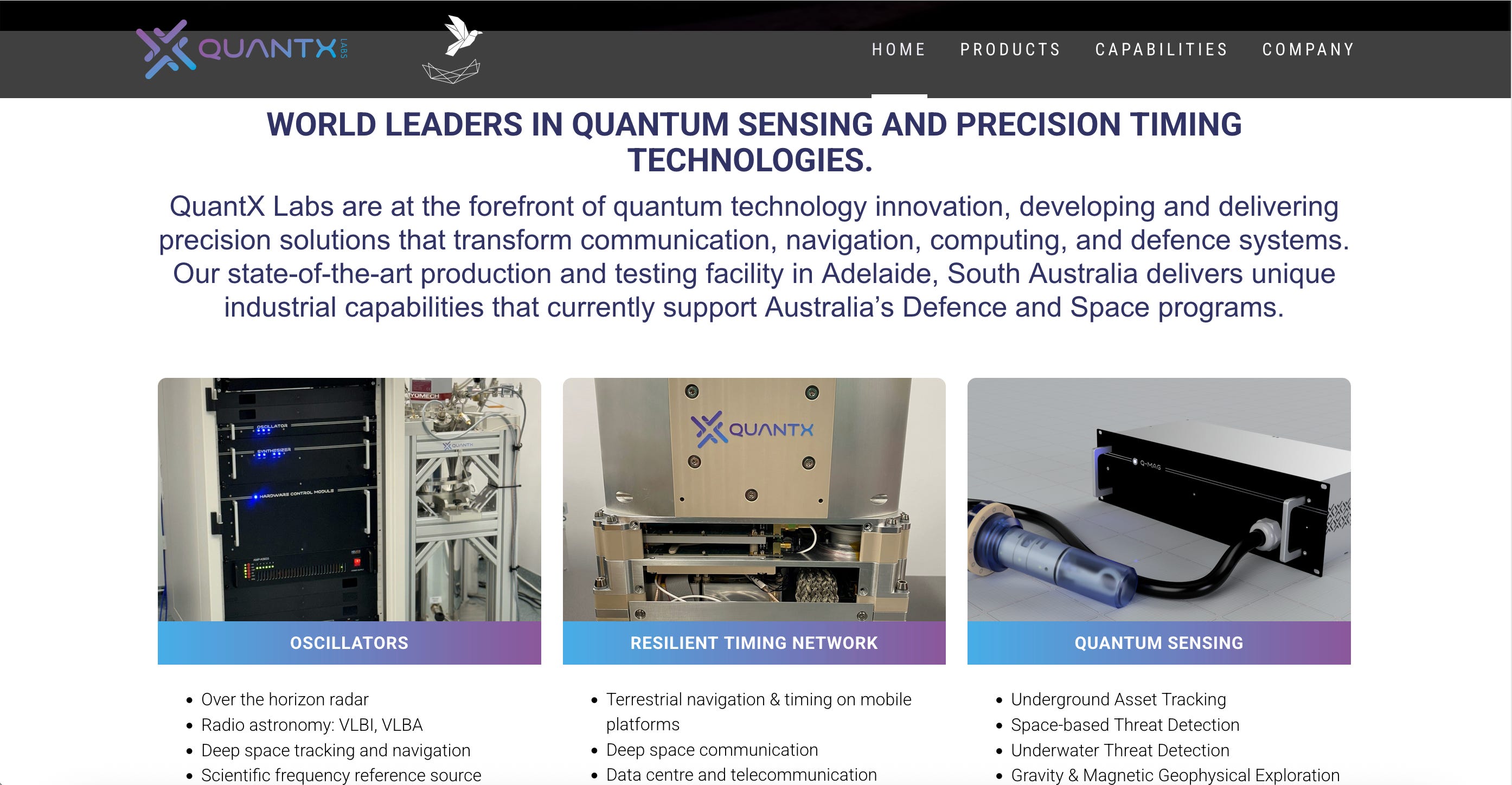
QuantX Labs (Australia): Strategic-Technological Analysis for European Autonomy
Founded in 2016, QuantX Labs is a privately-held Australian deep-tech company specializing in precision timing and quantum sensing devices[1][2]. Headquartered in Adelaide (Lot Fourteen innovation precinct)[3][4], its 40-strong team develops quantum optical atomic clocks, cryogenic sapphire oscillators (“CryoClock”), and quantum magnetometers for defence and space applications. QuantX capitalizes on over two decades of Australian university research (from UWA to University of Adelaide) into cryogenic oscillators[1][4]. Its flagship CryoClock provides ultra-low phase noise timing signals (described as “the world’s purest” microwave and RF outputs[5][4]). The firm’s emerging TEMPO optical atomic clock (Quantum Two-photon Rb clock) promises nearly an order-of-magnitude stability improvement over existing GNSS atomic clocks[6][7]. QuantX has been awarded multiple Australian defence contracts (about AU$2.7 million in 2024[2]) and space grants (AU$3.7 million from the Australian Space Agency) for its satellite timing mission. Its products aim to enable resilient position/navigation/time (PNT) networks under GPS-denied conditions[6][7]. Though based outside Europe, QuantX’s quantum clock and sensor technologies directly address universal defence needs, raising timely questions about European autonomous capabilities and strategic supply chains.