

Defence Finance Monitor is a specialised source of analysis for professionals who seek to anticipate how strategic priorities shape investment patterns in the defence sector. In a landscape shaped by high-stakes political choices and rapid technological shifts, understanding the link between military doctrine, operational requirements, and industrial policy is not a competitive edge—it is a prerequisite.
We analyse how strategic imperatives set by NATO, the European Union, allied Indo-Pacific democracies, and national Ministries of Defence translate into procurement programmes, innovation roadmaps, and long-term industrial priorities. Rather than listing individual companies, we track how clearly defined strategic challenges—such as deterrence gaps, technological dependencies, or capability shortfalls—are converted into funding schemes and institutional demand. Only companies that respond to these challenges become relevant to institutional buyers and, by extension, to investors. This framework has already enabled a growing community of analysts and financial professionals to make more consistent, risk-aware decisions and to avoid costly misalignments.
Building on this methodology, we are developing a structured database of companies analysed and classified according to the strategic-technological criteria set out in our framework. Subscribing to Defence Finance Monitor therefore provides not only access to in-depth reports, but also to a continuously expanding database of European and allied defence firms assessed against clear benchmarks. Each company is positioned according to its alignment with EU and NATO priority capability areas, its contribution to European strategic autonomy, its level of interoperability and deterrence value, and its role in reducing dependencies on non-allied suppliers. Classification also covers technology readiness levels, participation in EU and NATO programmes, intellectual property assets, and dual-use applications. This allows subscribers to compare, benchmark, and identify the most strategically relevant actors within a coherent, transparent, and decision-oriented taxonomy.
Subscribing to Defence Finance Monitor means gaining access to a strategic intelligence service that connects financial decisions with defence priorities. At the core of our work is a structured database of European and allied defence companies, classified according to strategic-technological criteria such as autonomy, interoperability, deterrence, and supply chain resilience. In today’s environment, profitable investment requires more than market data: it requires understanding how limited public resources are channelled toward specific capability gaps, sovereign technologies, and the reduction of non-allied dependencies. By combining in-depth reports with a continuously expanding company database, Defence Finance Monitor enables investors to anticipate demand, benchmark firms against institutional priorities, and avoid costly misalignments.
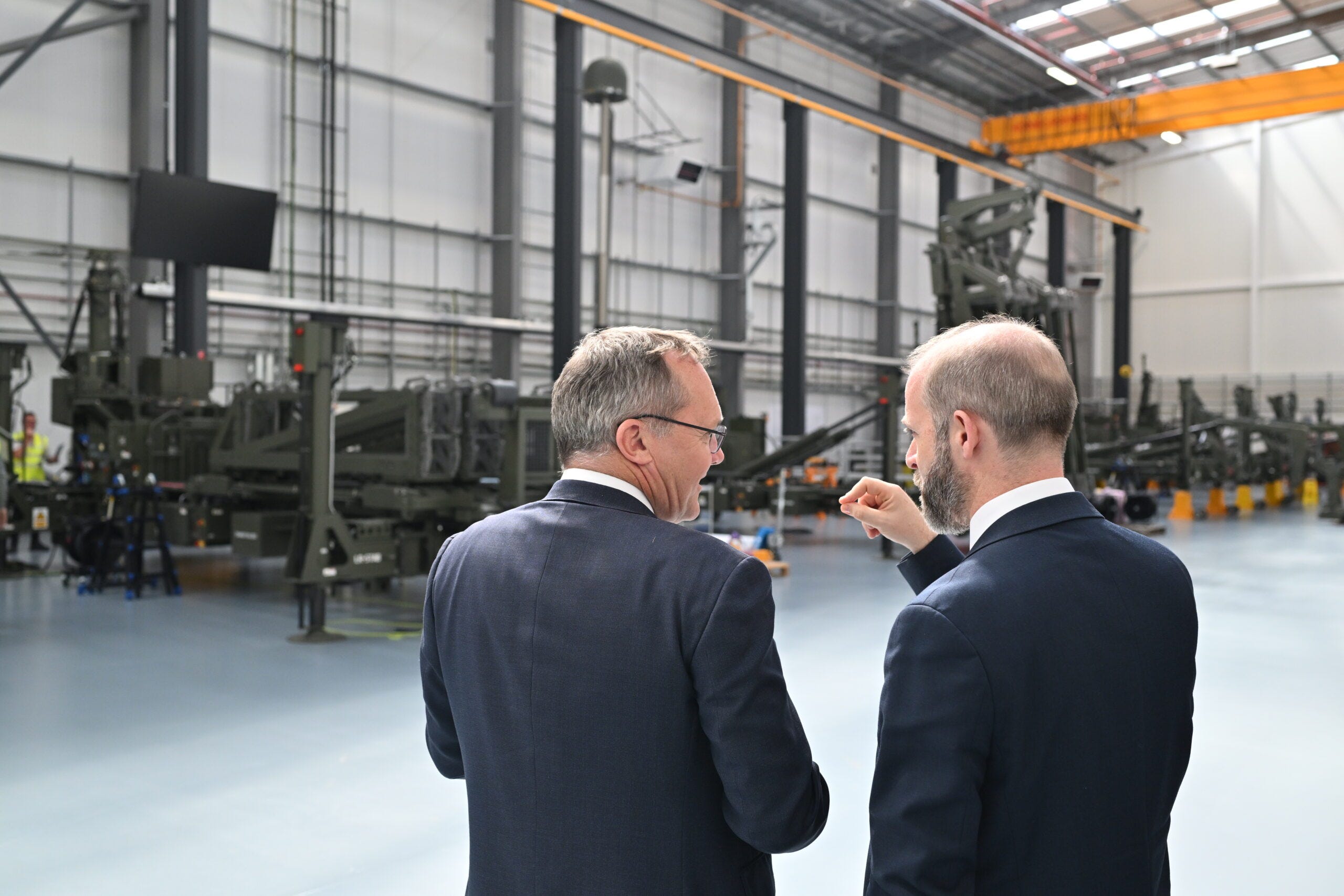
From the War in Ukraine to Europe’s New Defence Industry
In the wake of Russia’s full‑scale invasion of Ukraine in 2022, European governments mobilised unprecedented military aid for Kyiv, but they now face the challenge of converting emergency assistance into a permanent defence-industrial capacity. Western leaders from Brussels to Berlin increasingly argue that Europe cannot indefinitely rely on U.S. stockpiles and foreign suppliers. Instead, NATO and EU officials have signalled a strategic pivot: rebuild and expand Europe’s own arms factories, munitions workshops and supply chains. This transformation is driven by two factors. First, the war has made clear that a resilient deterrent requires domestic production – stocks of weapons and ammunition must be reproducible on home soil if conflict protracts. Second, uncertainty over U.S. policy (especially under the new administration) and a more assertive Russian posture have prompted Europe to seek “strategic autonomy” in security. In this context, fortifying the European defence industrial base – so that European armies can be sustained with European-made equipment – has become a central goal of current security policy.
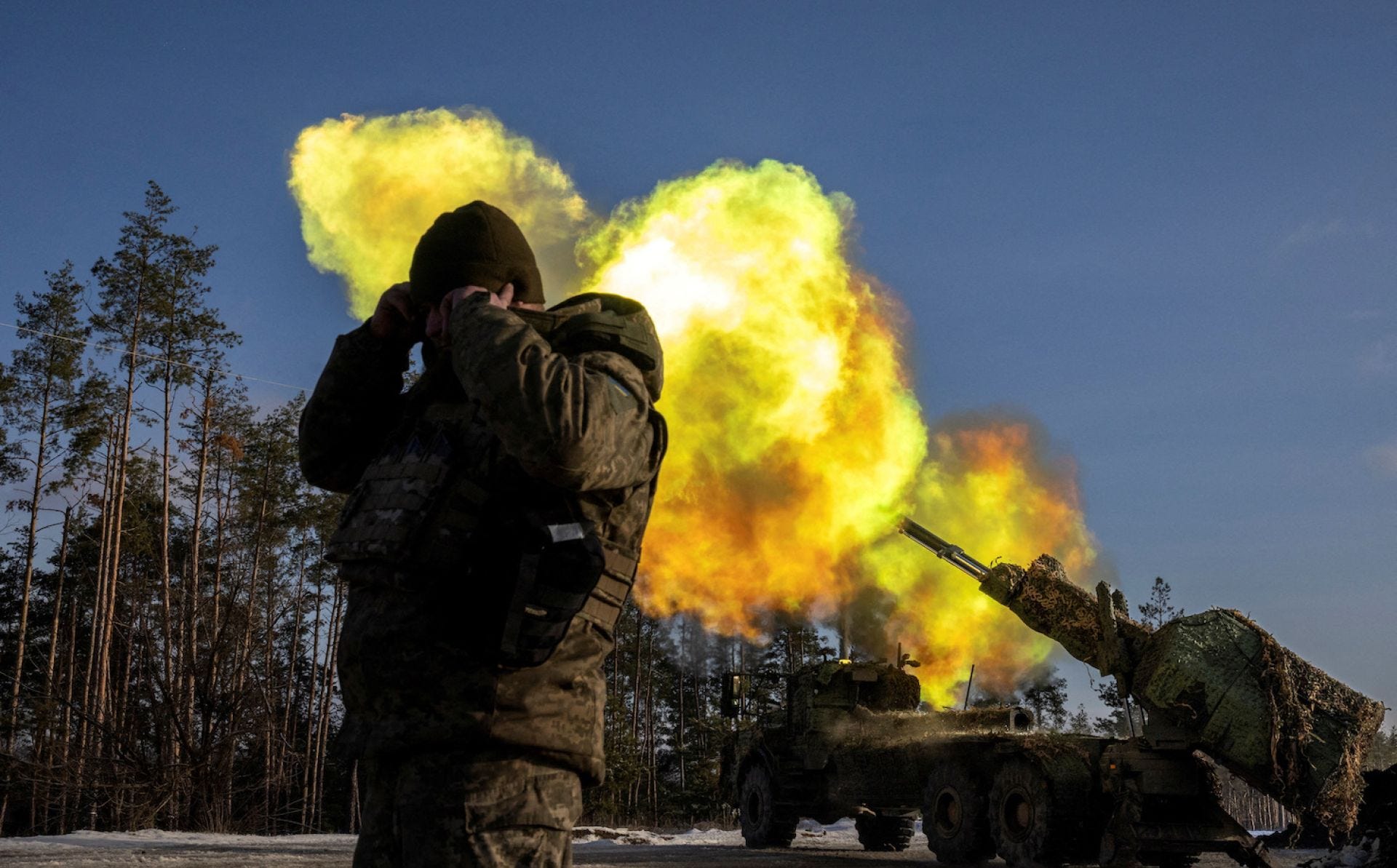
European and International Support to Ukraine’s Defense Industry and Capacity
Ukraine’s ability to sustain its defense against Russia has become an urgent international priority, leading to unprecedented European and transatlantic initiatives to bolster the country’s defense industry. Since the 2022 invasion, EU and NATO members have recognized that Ukraine’s sovereignty and European security are intertwined. Western leaders now view the strengthening of Ukraine’s own arms production as part of Europe’s collective defense. This shift reflects both strategic necessity and a long-term vision: fostering a robust Ukrainian defense-industrial base reduces Kyiv’s dependence on foreign armaments, enhances its deterrence, and prepares for eventual integration into Western defense structures.
Company Profiles & Industrial Intelligence
Alteia: European AI Visual Intelligence for Dual-Use and Defense Autonomy
Alteia SAS is an innovative Toulouse-based AI software company whose visual‐intelligence platform transforms aerial and ground imagery into actionable infrastructure insights. Founded by veterans of France’s aerospace and drone sector (a spin‐off from drone maker Delair[1]), Alteia has rapidly gained traction with major utilities and industrial clients (such as Enedis and Aramco[2]). Its core technology ingests diverse sensor data – from drones and satellites to fixed cameras – and applies computer-vision and machine learning algorithms to detect anomalies (like vegetation encroachment on power lines) and enable predictive maintenance. This capability directly aligns with Europe’s need for dependable domestic AI solutions in critical infrastructure. In July 2025, Alteia’s strategic value was underscored when GE Vernova (a U.S. energy tech subsidiary) agreed to acquire the company[3], integrating its platform into GE’s GridOS® electric-grid suite. The acquisition promises to deepen transatlantic cooperation on grid resilience while raising questions about Europe’s control over the technology. Alteia’s journey – from deep-tech startup to part of a global power company – highlights key issues in European strategic autonomy and dual-use innovation.

VRAI Simulation: European Virtual Reality Training and Defence Analytics
VRAI Simulation (headquartered in Dublin, Ireland) is a young European firm at the forefront of virtual-reality (VR) training technology. Founded by an Irish Army veteran and a tech entrepreneur, VRAI has pioneered data-driven simulation systems that can capture and analyze human performance in high-risk environments. Its products – including immersive VR trainers for armored-crew operations and a real-time mission rehearsal platform – aim to make training safer, cheaper and more effective. Unlike traditional military hardware makers, VRAI sells software and analytics: its flagship HEAT platform integrates with simulators to extract performance metrics, while its new “VADE” system delivers 3D situational visualization for briefings[1][2]. The company’s recent partnerships (with KNDS/KNDS France, BAE Systems, Microsoft Azure, etc.) and venture funding (a €5M Series A led by Beringea[1][3]) signal growing transatlantic interest in its dual-use approach. This analysis will examine how VRAI’s capabilities align with EU strategic autonomy goals: by developing indigenous training tech, supporting NATO interoperability in land and multi-domain operations, and strengthening Europe’s defense supply chain resilience without relying on non-allied sources.
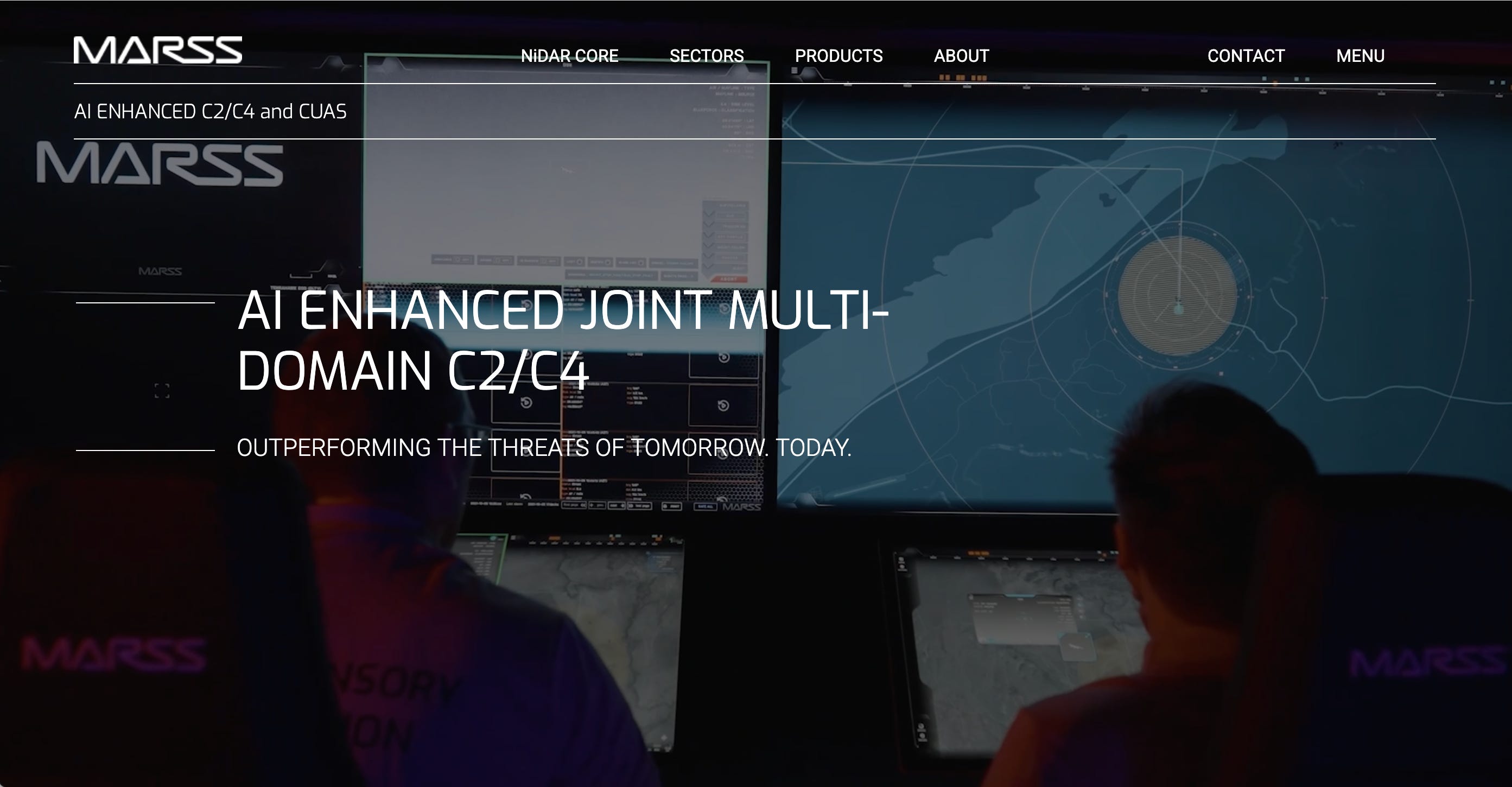
MARSS Group — Strategic-Technological Analysis
Marine & Remote Sensing Solutions (MARSS) Group, founded in 2005, is a UK-based private defence technology company specializing in AI-powered sensor fusion and surveillance systems[1][2]. Headquartered in Monaco (holding company) with major R&D centers in Bristol and London (UK)[3][4], MARSS develops proprietary platforms for multi-domain awareness and counter-drone defense. Its flagship NiDAR IoT platform integrates sonar, radar, and EO/IR sensors into a unified C2 system to protect assets across air, land, sea and subsurface domains[1]. In recent years MARSS has secured high-profile contracts – for example delivering its NiDAR C4 system to naval vessels (notably a Royal Canadian Navy ship in 2023)[5] – illustrating its rapid rise in maritime and security markets. At a time when the EU insists that “strategic autonomy is a key priority” for defence and space technologies[6][7], MARSS’s offerings stand out as indigenous alternatives to non-allied systems (relying exclusively on Western sensors and software). Our analysis explores MARSS’s legal status, business strategy, technology portfolio, program participation, research roots, dual-use markets, partnerships, operational focus, IP, leadership, and capability gaps, evaluating its role in enhancing European defence sovereignty and NATO interoperability.
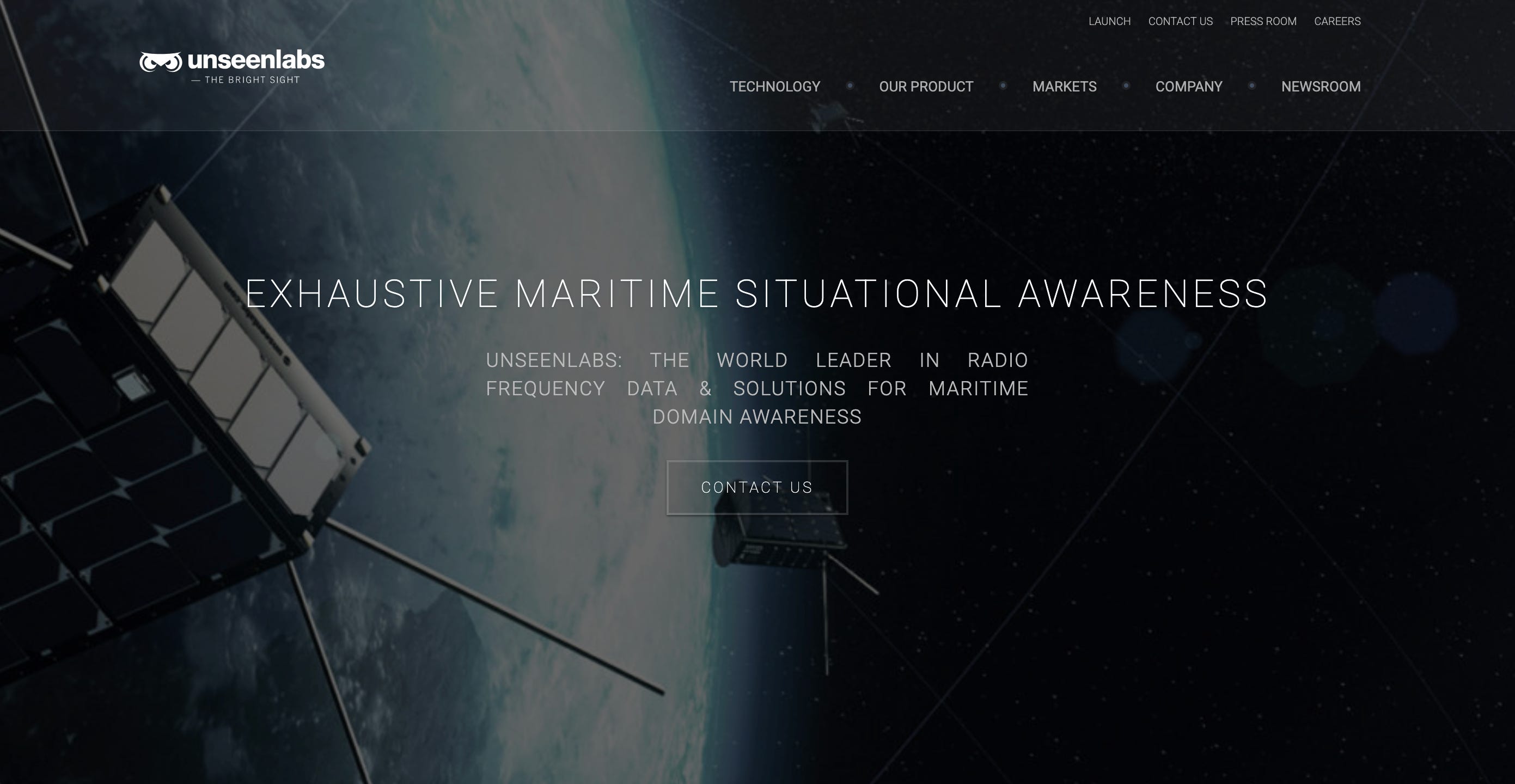
Unseenlabs (France): Strategic-Technological Analysis for European Autonomy
Unseenlabs is a French space-technology company developing a constellation of radio-frequency (RF) detecting microsatellites to locate vessels at sea. Founded in Brittany in 2015 by aerospace engineers, it has rapidly deployed over a dozen satellites dedicated to maritime surveillance[1][2]. Unseenlabs recently closed a major €85 million investment round and won an ESA/EC Copernicus contract to supply RF data, signaling strong institutional interest[3][4]. Its system can geolocate vessels even when Automatic Identification System (AIS) transponders are off, addressing gaps in traditional surveillance[5][6]. In the context of European defense, Unseenlabs offers an indigenous maritime-awareness capability that complements existing sensors. Its rapidly expanding satellite network and data services promise to strengthen Europe’s situational awareness at sea, making it a case study in dual-use space innovation for strategic autonomy.