

Defence Finance Monitor is a specialised source of analysis for professionals who seek to anticipate how strategic priorities shape investment patterns in the defence sector. In a landscape shaped by high-stakes political choices and rapid technological shifts, understanding the link between military doctrine, operational requirements, and industrial policy is not a competitive edge—it is a prerequisite.
We analyse how strategic imperatives set by NATO, the European Union, allied Indo-Pacific democracies, and national Ministries of Defence translate into procurement programmes, innovation roadmaps, and long-term industrial priorities. Rather than listing individual companies, we track how clearly defined strategic challenges—such as deterrence gaps, technological dependencies, or capability shortfalls—are converted into funding schemes and institutional demand. Only companies that respond to these challenges become relevant to institutional buyers and, by extension, to investors. This framework has already enabled a growing community of analysts and financial professionals to make more consistent, risk-aware decisions and to avoid costly misalignments.
Building on this methodology, we are developing a structured database of companies analysed and classified according to the strategic-technological criteria set out in our framework. Subscribing to Defence Finance Monitor therefore provides not only access to in-depth reports, but also to a continuously expanding database of European and allied defence firms assessed against clear benchmarks. Each company is positioned according to its alignment with EU and NATO priority capability areas, its contribution to European strategic autonomy, its level of interoperability and deterrence value, and its role in reducing dependencies on non-allied suppliers. Classification also covers technology readiness levels, participation in EU and NATO programmes, intellectual property assets, and dual-use applications. This allows subscribers to compare, benchmark, and identify the most strategically relevant actors within a coherent, transparent, and decision-oriented taxonomy.
Subscribing to Defence Finance Monitor means gaining access to a strategic intelligence service that connects financial decisions with defence priorities. At the core of our work is a structured database of European and allied defence companies, classified according to strategic-technological criteria such as autonomy, interoperability, deterrence, and supply chain resilience. In today’s environment, profitable investment requires more than market data: it requires understanding how limited public resources are channelled toward specific capability gaps, sovereign technologies, and the reduction of non-allied dependencies. By combining in-depth reports with a continuously expanding company database, Defence Finance Monitor enables investors to anticipate demand, benchmark firms against institutional priorities, and avoid costly misalignments.
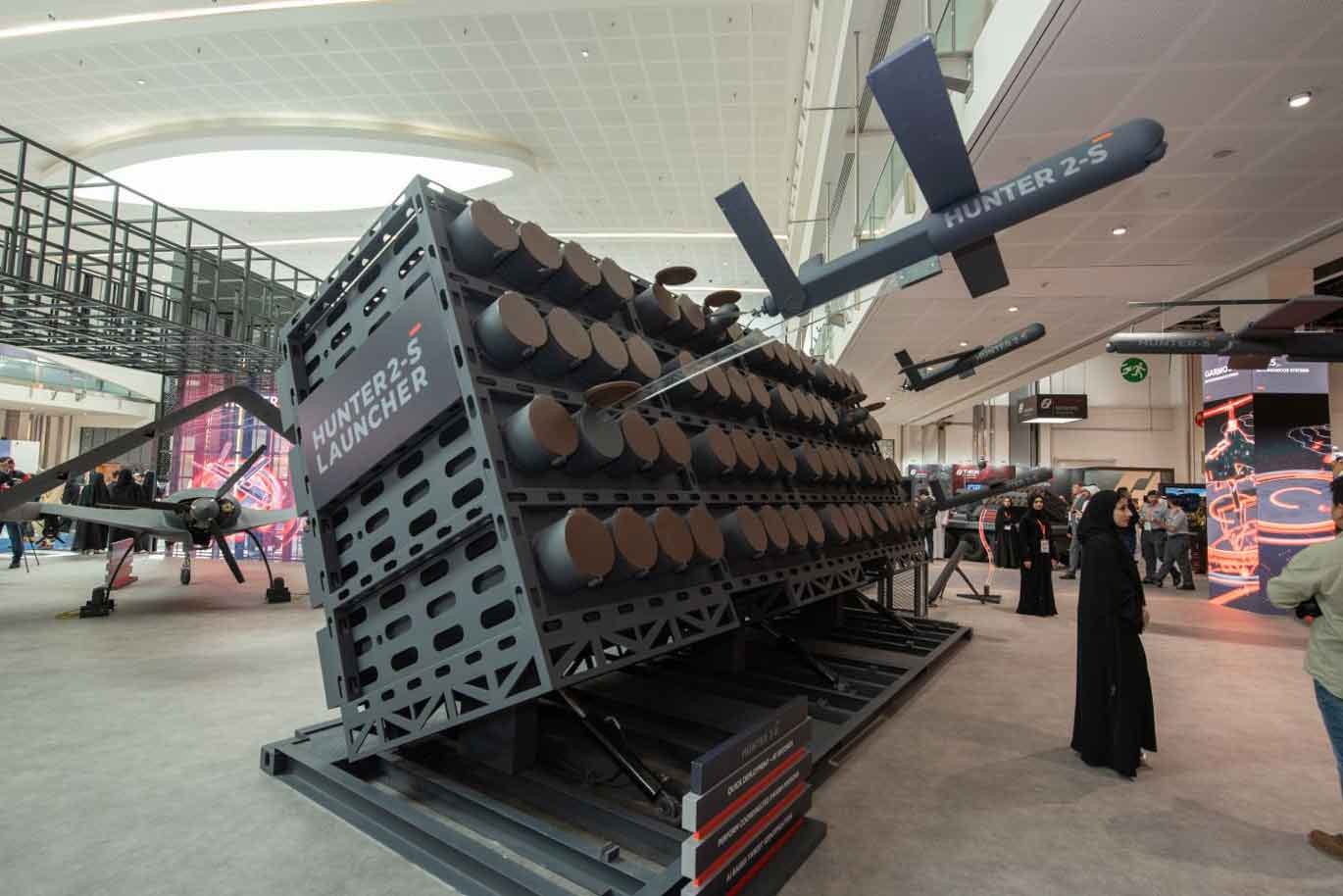
Asymmetry and the Illusion of Stand-off Superiority
The belief that long-range stand-off capabilities can replace close combat has shaped procurement strategies across Western militaries. Precision strike systems, airpower, and artillery have received disproportionate investment on the assumption that decisive effects could be achieved without exposing ground forces. For defence industries, this has meant lucrative contracts for high-value platforms, but the financial sustainability of this model is questionable. Conflicts have shown that stand-off fires, while effective in degrading adversary infrastructure, cannot secure territory or guarantee political outcomes. For investors, this creates a structural risk: overexposure to long-range platforms may overlook the persistent demand for infantry systems, protective gear, and urban combat technologies. Defence markets reveal a clear asymmetry between procurement priorities and operational necessities, opening opportunities for firms positioned in soldier-centric solutions.
Company Profiles & Industrial Intelligence
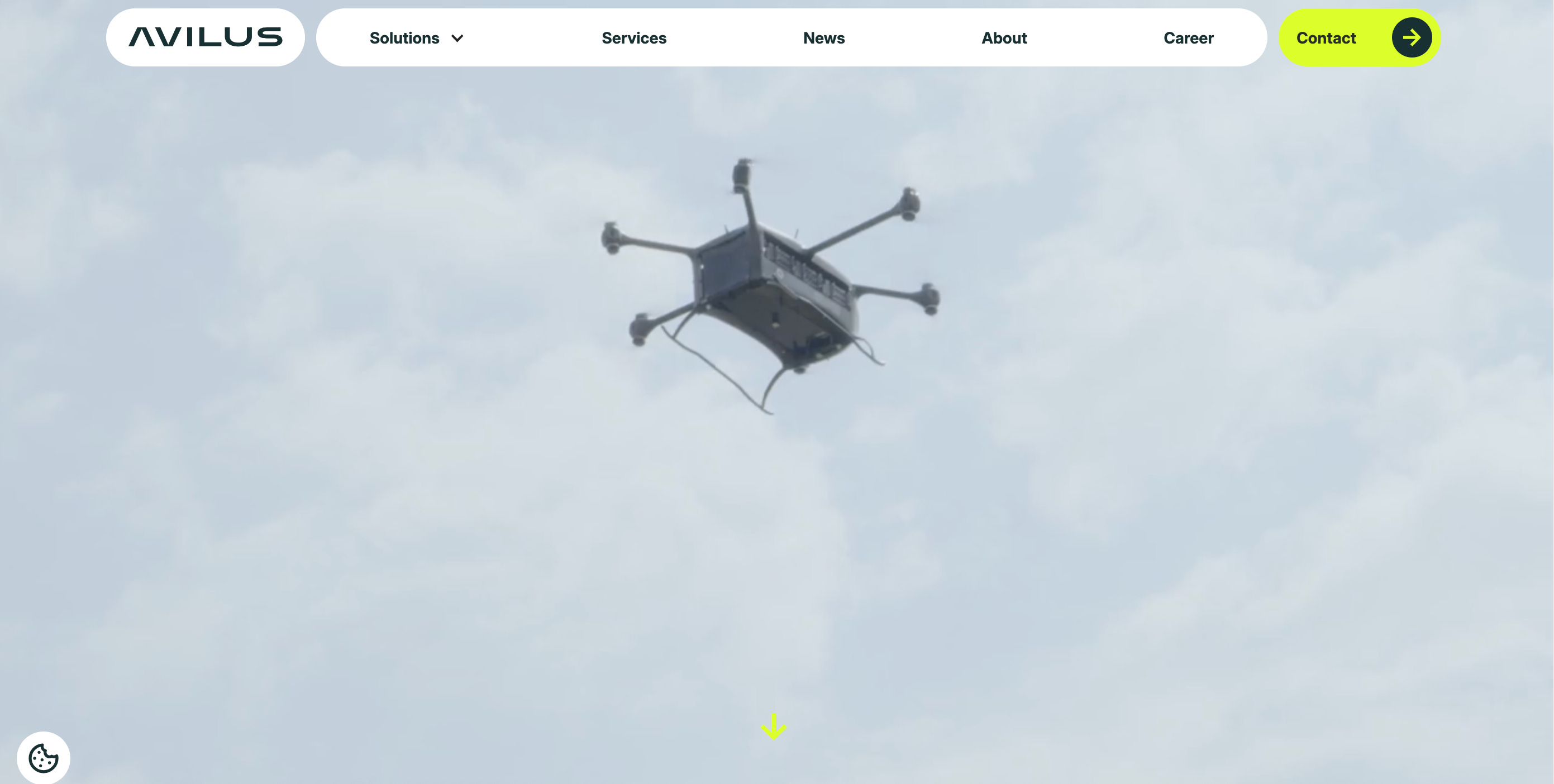
Strategic-Technological Analysis of Avilus GmbH (Germany)
Avilus GmbH, headquartered in Ismaning (Munich), Germany[1], is a privately held company (founded 2021[2]) specializing in a new class of dual-use unmanned aerial vehicles (500–1000 kg MTOW) for medical evacuation, logistics and ISR roles[3][4]. Its flagship “Grille” drone is optimized as a flying stretcher, carrying a 135 kg patient payload over ~50 km and designed for rapid deployment[5][4]. Operating under EASA’s Specific Category (and holding a German Light UAS Operator Certificate[6]), Avilus leverages Germany’s aerospace base and emerging regulatory frameworks to push European defense innovation. In line with EU/NATO strategic-autonomy goals, Avilus aims to replace extra-EU drone suppliers by indigenously developing critical UAV capabilities. This report examines the company’s structure, technology portfolio and program involvements, assessing how Avilus contributes to European defense autonomy, NATO interoperability and supply chain resilience.

VTT Technical Research Centre of Finland: Strategic-Technological Analysis
Strategic-Technological Analysis: Q.ANT (Germany)
In the rapidly evolving landscape of European defense technology, Q.ANT stands out as a deep-tech innovator whose photonic computing and quantum sensor solutions could reshape how Europe approaches artificial intelligence and autonomy. Founded in 2018 by CEO Dr. Michael Förtsch as a spin-off from TRUMPF, Q.ANT GmbH is headquartered in Stuttgart, Germany[1][2]. The company’s core mission is to “redefine the way the world computes by using light instead of electricity,” delivering analog photonic processors optimized for complex AI and high-performance computing workloads[1][3]. Its Light Empowered Native Arithmetics (LENA) architecture and bespoke thin-film lithium niobate (TFLN) chip platform enable energy-efficient computation, addressing Europe’s need for sustainable AI infrastructure. Simultaneously, Q.ANT is developing quantum-based navigation and sensing devices (such as atomic gyroscopes and magnetometers) that promise greater measurement precision for satellites and autonomous systems[4][5]. These dual-use innovations directly target strategic goals: reducing dependency on foreign semiconductors by creating a European photonic chip industry, and enhancing Europe’s strategic autonomy in space and advanced sensing. This report offers an objective, comprehensive analysis of Q.ANT’s organizational profile, technology portfolio, program engagements, and strategic relevance to NATO and EU defense objectives. It finds that Q.ANT’s technologies are aligned with key European Emerging and Disruptive Technology priorities (especially photonic HPC and quantum sensors) and that its contributions can significantly bolster EU sovereignty and multi-domain capabilities. However, realizing that potential will require closing gaps in program integration, standardization, and technology maturation. The report’s findings are drawn from Q.ANT’s own disclosures and relevant EU/NATO sources, and offer European policymakers and defense planners clear insight into Q.ANT’s role in strengthening the European Defense Technological and Industrial Base (EDTIB).
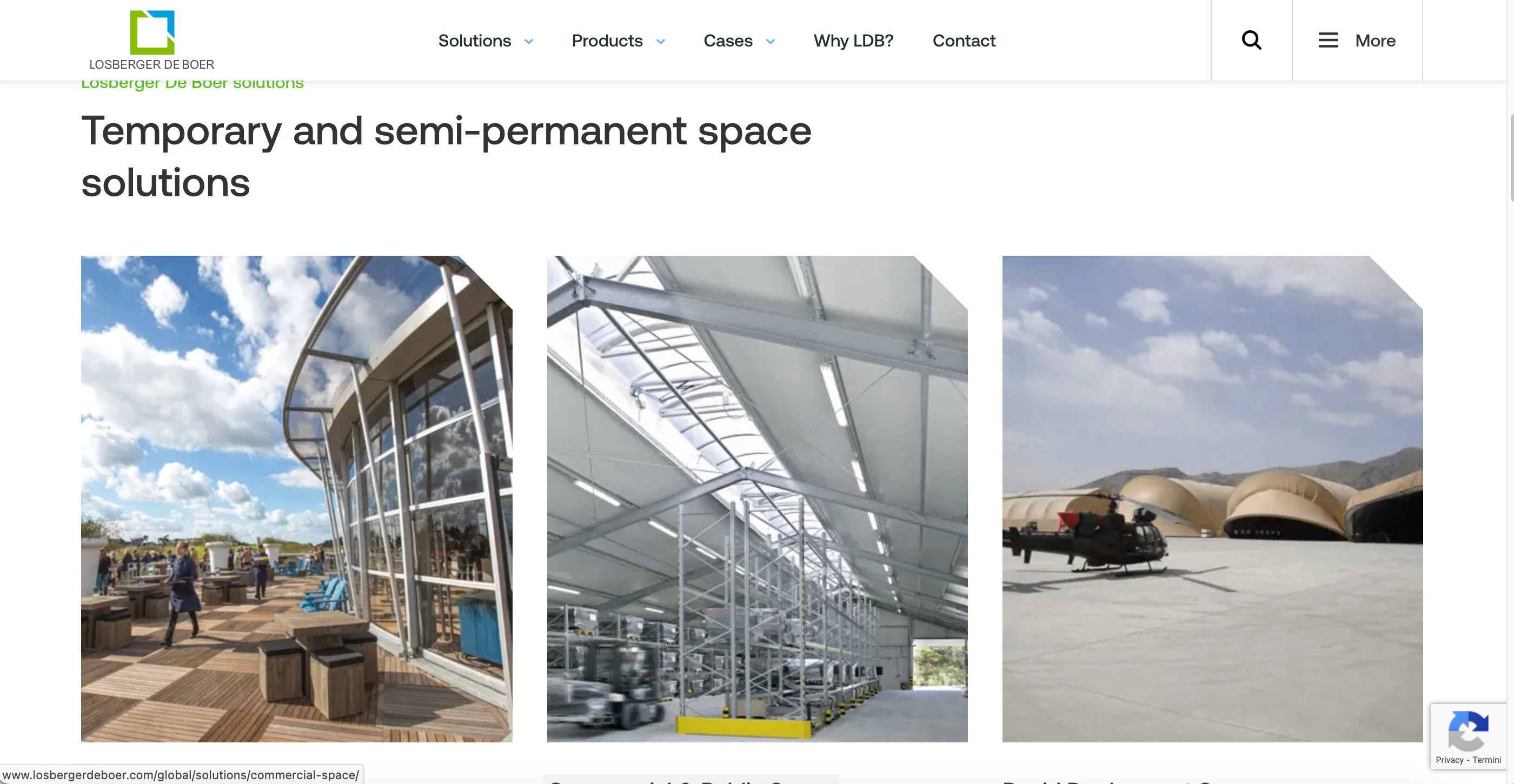
Losberger De Boer – Germany
Founded in 1919 and rebranded after the 2017 Losberger–De Boer merger, Losberger De Boer is a German-headquartered manufacturer of deployable shelters and modular space solutions for military, humanitarian and commercial use[1][2]. Today the group operates 8 production sites and 21 sales offices worldwide, employing over 800 staff[1]. As an independent mid-cap (formerly Gilde PE-owned, now majority-held by Robus SCSP of Luxembourg)[3], it maintains a private-equity governance structure with a European executive team (CEO Arnout de Hair et al.[4]) and board oversight. Losberger De Boer is ISO 9001/14001 certified[1] and serves EU/NATO markets; its outputs typically have NATO stock numbers and comply with defense procurement standards[5]. It likely holds national and NATO clearances enabling classified contracts (e.g. NSPA rapid camp projects), reflecting its integration into alliance logistics, though official clearance levels are not public.