

Defence Finance Monitor is a specialised source of analysis for professionals who seek to anticipate how strategic priorities shape investment patterns in the defence sector. In a landscape shaped by high-stakes political choices and rapid technological shifts, understanding the link between military doctrine, operational requirements, and industrial policy is not a competitive edge—it is a prerequisite.
We analyse how strategic imperatives set by NATO, the European Union, allied Indo-Pacific democracies, and national Ministries of Defence translate into procurement programmes, innovation roadmaps, and long-term industrial priorities. Rather than listing individual companies, we track how clearly defined strategic challenges—such as deterrence gaps, technological dependencies, or capability shortfalls—are converted into funding schemes and institutional demand. Only companies that respond to these challenges become relevant to institutional buyers and, by extension, to investors. This framework has already enabled a growing community of analysts and financial professionals to make more consistent, risk-aware decisions and to avoid costly misalignments.
Building on this methodology, we are developing a structured database of companies analysed and classified according to the strategic-technological criteria set out in our framework. Subscribing to Defence Finance Monitor therefore provides not only access to in-depth reports, but also to a continuously expanding database of European and allied defence firms assessed against clear benchmarks. Each company is positioned according to its alignment with EU and NATO priority capability areas, its contribution to European strategic autonomy, its level of interoperability and deterrence value, and its role in reducing dependencies on non-allied suppliers. Classification also covers technology readiness levels, participation in EU and NATO programmes, intellectual property assets, and dual-use applications. This allows subscribers to compare, benchmark, and identify the most strategically relevant actors within a coherent, transparent, and decision-oriented taxonomy.
Subscribing to Defence Finance Monitor means gaining access to a strategic intelligence service that connects financial decisions with defence priorities. At the core of our work is a structured database of European and allied defence companies, classified according to strategic-technological criteria such as autonomy, interoperability, deterrence, and supply chain resilience. In today’s environment, profitable investment requires more than market data: it requires understanding how limited public resources are channelled toward specific capability gaps, sovereign technologies, and the reduction of non-allied dependencies. By combining in-depth reports with a continuously expanding company database, Defence Finance Monitor enables investors to anticipate demand, benchmark firms against institutional priorities, and avoid costly misalignments.
Military R&D and Civilian Spillovers
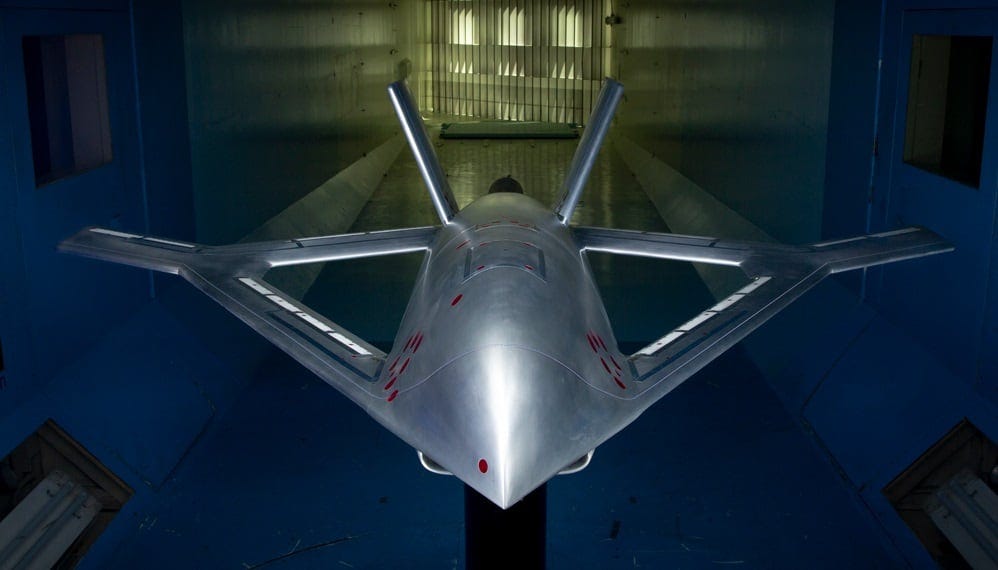
Military research and development (R&D) has historically been a powerful engine for civilian innovation, but the scale of spillovers has varied dramatically between “open” and “closed” systems. During the Cold War, open systems such as the United States and its NATO allies produced breakthrough technologies – from the internet and GPS to semiconductors and jet engines – that transformed the civilian economy. In contrast, closed systems like the Soviet Union achieved formidable military capabilities but failed to translate defense investments into broad civilian benefits, due to factors like secrecy, rigid state control, and weak linkages to the consumer economy. Key institutional conditions emerged as decisive: vigorous universities, dynamic private firms, venture capital, and flexible procurement proved critical in enabling dual-use innovation in open societies. Today, with a new global rearmament cycle (2022–2035) underway, both open democracies and more closed or hybrid models (e.g. post-2010 China) are pouring resources into emerging fields – artificial intelligence, quantum technology, space, cyber, energy, advanced materials – that could spur the next wave of civilian tech revolutions. This report analyzes historical cases to identify when and how defense R&D produces civilian windfalls, and assesses contemporary defense innovation drives. For policymakers and investors, the findings highlight that defense R&D can catalyze competitive advantages and economic growth – but only under conditions that foster open collaboration, commercialization, and talent circulation. The ongoing surge in defense innovation spending could yield transformative civilian applications, provided that lessons from past successes (and failures) are heeded.
Debt and Rearmament
NATO countries face a delicate balancing act between urgent rearmament needs and fiscal sustainability. Public debt levels across the Alliance are at historic highs, constraining the ability of many governments to boost defence spending without risking financial instability. Countries with ample fiscal space, like Germany, have responded to new security threats by creating special off-budget funds and invoking fiscal exceptions to finance military modernization. Highly indebted allies – exemplified by Italy, France, and Greece – confront far tougher choices. Past rearmament cycles offer mixed lessons: Cold War military buildups were often enabled by U.S.-led burden-sharing and deficit spending, but they also led to inflationary pressures and future austerity measures. Defence expenditure can stimulate economic activity through demand and innovation, yet evidence suggests its multipliers are modest and it may crowd out more productive investment if financed through heavy borrowing. Going forward, innovative fiscal frameworks will be crucial. EU rules are already being relaxed to accommodate defence outlays, and mechanisms like common EU defence funds or special sovereign instruments (e.g. “defence bonds”) could help distribute the load. Ultimately, sustaining higher NATO military spending in the 2020s–2030s without destabilizing public finances will require prudent debt management, targeted investments with economic spillovers, and greater multilateral coordination to ensure the security dividend does not come at the expense of long-term fiscal health.
IKARUS Security Software – Strategic-Technological Analysis
IKARUS Security Software GmbH (Vienna, Austria) is an established European cybersecurity firm founded in 1986 by Viktor Mayer‐Schönberger[1]. It has built its reputation on a proprietary “IKARUS Malware Scan Engine” and associated security products that protect corporate networks, industrial control systems and government IT infrastructures. The company emphasizes local data security and resilience: for example, its HarfangLab Guard EDR system is “100% developed and hosted in Europe” (in Austria) to ensure GDPR-compliant processing[2]. IKARUS’s homegrown solutions aim to serve critical infrastructure sectors. As the EU doubles down on technological sovereignty and NATO seeks interoperable cyber defenses, IKARUS poses an intriguing case: can this Austrian anti-malware specialist help Europe reduce dependence on non-allied suppliers and strengthen collective deterrence? This report delves into IKARUS’s corporate profile, technology portfolio, and strategic alignments – assessing how well it supports European autonomy, multi-domain defense, crisis deterrence and resilient supply chains in the cyber domain.
FACC AG (Austria) – Strategic-Technological Analysis
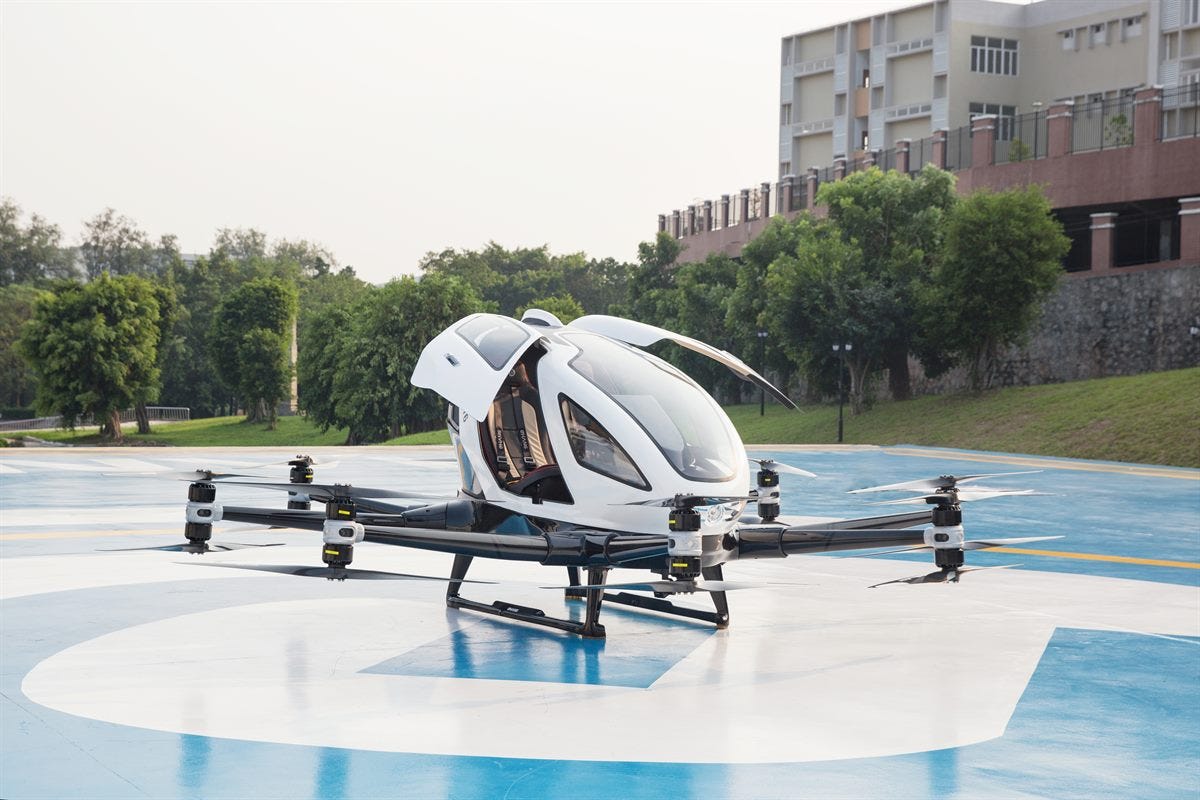
Founded in 1981 and headquartered in Ried im Innkreis, Austria, FACC AG is a Vienna-listed (since 2014) aerospace supplier specializing in advanced composite structures and systems[1][2]. Originally a ski-manufacturer subsidiary turned aviation innovator, FACC has grown into a Tier-1 partner to all leading aircraft OEMs, producing lightweight fuselage, wing, engine nacelle, and cabin interior components[1][3]. In recent years it has extended its portfolio to Advanced Air Mobility (eVTOL aircraft) and space launch vehicles; notably, FACC was contracted by ArianeGroup to build the carbon-fiber kick-stage structure for Europe’s Ariane6 rocket[4][5]. With €884.5 million revenue and ~3,850 employees across 15 locations worldwide (90% in Europe)[2][6], FACC presents a sophisticated European high-tech profile. However, its 55.5% ownership by China’s state-owned AVIC Cabin Systems[7] makes it a company of mixed strategic alignment. This report examines FACC’s technology capabilities through the lens of European strategic autonomy, NATO interoperability, deterrence enhancement and supply-chain resilience. It explores how FACC’s composite manufacturing expertise and aerospace innovations contribute to EU defense and dual-use objectives, where gaps exist (e.g. in cyber or land systems), and how FACC aligns with or diverges from EU/NATO technology priorities. The analysis integrates European policy context (e.g. EU strategic tech lists, NATO’s 2022 concept) and FACC’s track record (R&D, partnerships, patents) to assess its role in reducing dependence on non-allied suppliers and strengthening the European Defense Technological and Industrial Base.
BRP-Rotax GmbH & Co KG – Propulsion for Civil and Military Aviation
BRP-Rotax is an Austrian engine manufacturer (Gunskirchen, Austria) and a subsidiary of Canadian Bombardier Recreational Products (BRP)[1][2]. Founded in 1920, it has grown into one of the world’s leading producers of light piston engines[1]. Officially, Rotax develops high-performance powerplants primarily for leisure aviation and recreational vehicles (snowmobiles, karts, watercraft). However, many of Rotax’s certified civil engines (notably the 912 and 914 series) are also used in unmanned aerial vehicles (UAVs) across NATO countries and beyond[3][4]. This dual-use potential gives the company an outsize strategic profile: a seemingly benign leisure-engine maker whose products have powered reconnaissance drones from the U.S. Predator to Israel’s Heron[3]. Understanding Rotax’s role thus illuminates how European commercial technology can affect autonomy and deterrence. Our analysis will explore Rotax’s corporate structure, product technologies, and alignment with EU/NATO security objectives. It assesses how an Austrian propulsion specialist contributes – or fails to contribute – to European strategic autonomy and resilient supply chains. In short, the story of Rotax is one of civilian innovation that quietly underpins global aerospace and could support (or undermine) Europe’s defense ambitions.
Diamond Aircraft Industries – Special Mission Aircraft (ISR) Strategic-Technological Analysis
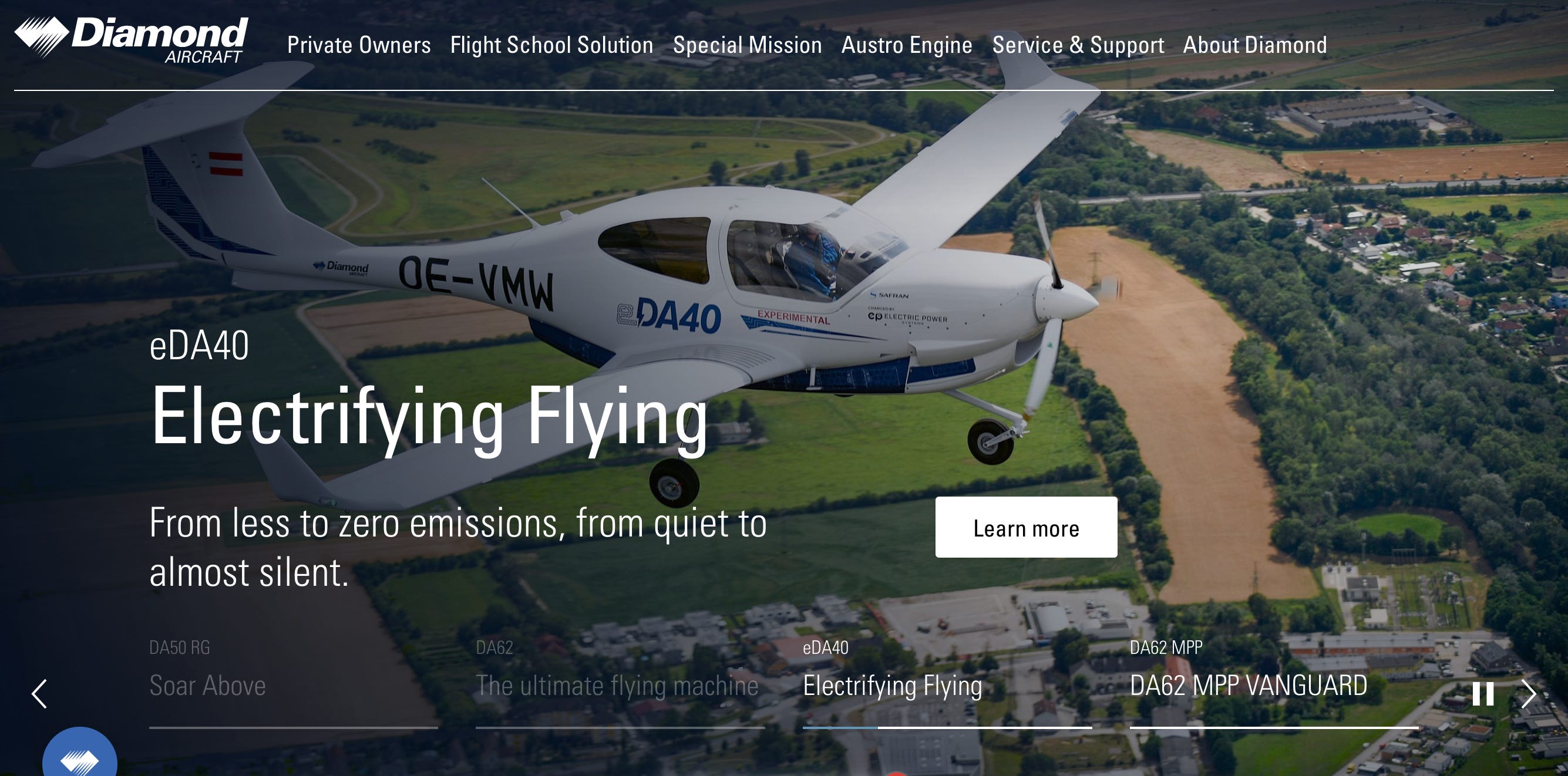
Diamond Aircraft Industries GmbH, founded in Austria in 1981 by Wolf Hoffmann[1], is a mid-cap aerospace manufacturer specializing in light general aviation aircraft and manned surveillance platforms. Headquartered in Wiener Neustadt, Lower Austria[2], Diamond (a subsidiary of Chinese Wanfeng Aviation since 2017[3]) maintains production facilities in Austria and Canada[4]. Its special-mission division outfits twin-engine DA42 and DA62 airframes with multi-sensor ISR suites (EO/IR cameras, radars, COMINT, LIDAR) to serve law enforcement and defense clients worldwide[5][6]. Notably, Diamond’s platforms use Austro Engine diesel powerplants and onboard processing, ensuring low fuel burn and long endurance. In a European context, Diamond’s turnkey ISR aircraft offer a cost-effective indigenous capability for airborne surveillance, though Chinese ownership and reliance on some non-EU components temper its strategic-sovereignty profile. This analysis assesses Diamond’s technologies, readiness levels, and contributions to EU/NATO interoperability and autonomy in defense.
Air6 Systems / Airborne Robotics – Strategic-Technological Analysis
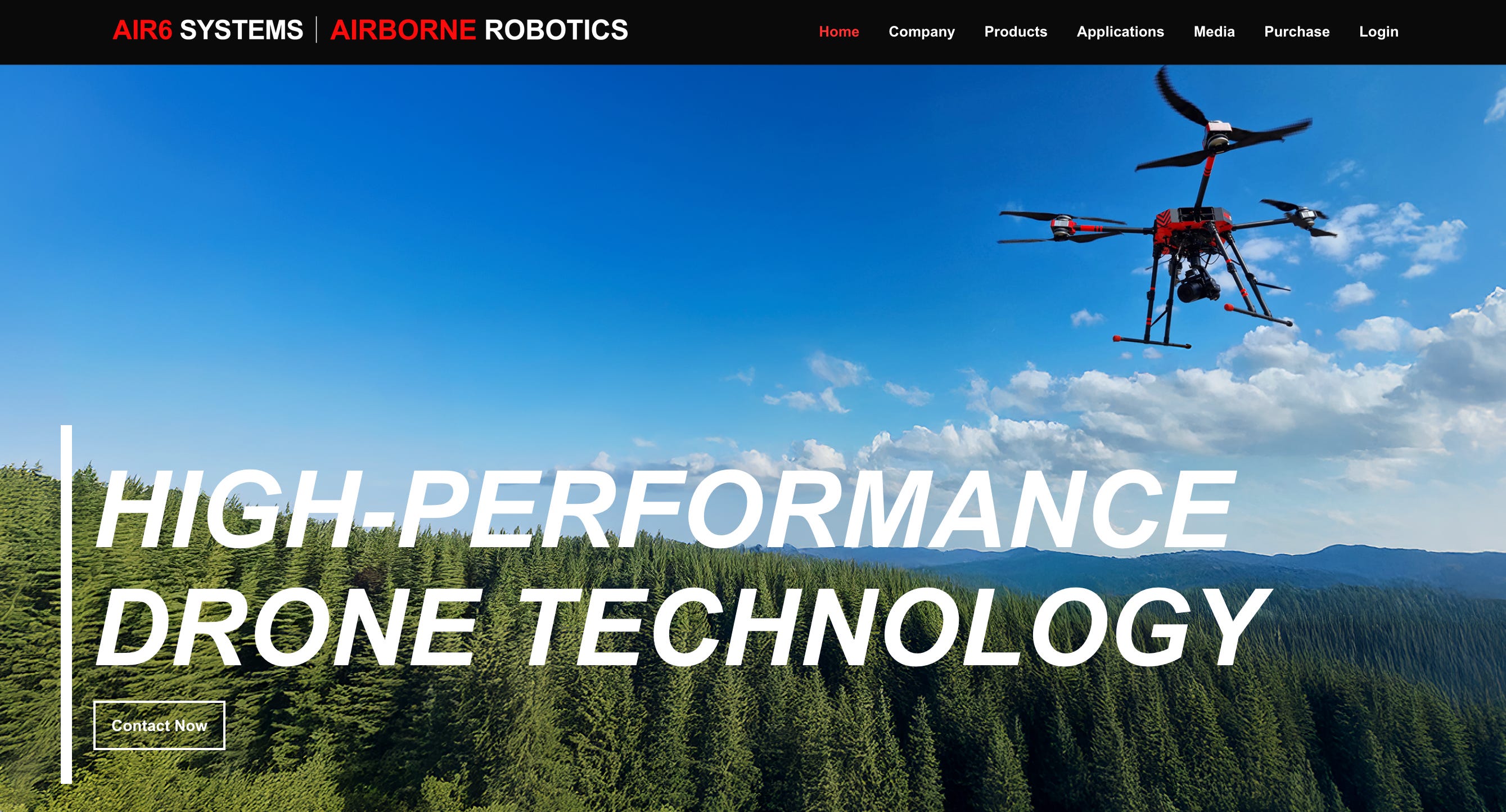
Air6 Systems (including Airborne Robotics) is a European start-up specializing in high-performance unmanned aerial vehicles (UAVs) for professional and industrial applications. Its heavy-lift multirotor drones (e.g. the AIR8 octocopter) are designed for long-endurance missions with payloads up to 10 kg, integrating advanced autonomy, satellite communication, and multi-sensor capabilities[1][2]. The group has a pan-European footprint – legally registered in Austria and Germany with an affiliate in the UK[3] – and a mission to deliver turnkey UAV solutions (hardware, sensors, software and training) for sectors ranging from energy infrastructure to medical logistics[4][2]. This analysis explores Air6’s role in Europe’s defense and dual-use technology landscape, with emphasis on how its products and R&D activities contribute to European strategic autonomy, NATO interoperability and resilience against external dependencies (especially on Chinese suppliers). The company’s portfolio of autonomous UAV platforms, AI-enabled mission planning and satellite-based connectivity offers a window into Europe’s emerging “drone-on-demand” capabilities. Careful consideration is given to its current technological maturity, participation in European projects (such as ESA and national innovation programs), and alignment with EU/NATO priorities in autonomy, secure communications, and force multiplier technologies.