

Defence Finance Monitor is a specialised source of analysis for professionals who seek to anticipate how strategic priorities shape investment patterns in the defence sector. In a landscape shaped by high-stakes political choices and rapid technological shifts, understanding the link between military doctrine, operational requirements, and industrial policy is not a competitive edge—it is a prerequisite.
We analyse how strategic imperatives set by NATO, the European Union, allied Indo-Pacific democracies, and national Ministries of Defence translate into procurement programmes, innovation roadmaps, and long-term industrial priorities. Rather than listing individual companies, we track how clearly defined strategic challenges—such as deterrence gaps, technological dependencies, or capability shortfalls—are converted into funding schemes and institutional demand. Only companies that respond to these challenges become relevant to institutional buyers and, by extension, to investors. This framework has already enabled a growing community of analysts and financial professionals to make more consistent, risk-aware decisions and to avoid costly misalignments.
Building on this methodology, we are developing a structured database of companies analysed and classified according to the strategic-technological criteria set out in our framework. Subscribing to Defence Finance Monitor therefore provides not only access to in-depth reports, but also to a continuously expanding database of European and allied defence firms assessed against clear benchmarks. Each company is positioned according to its alignment with EU and NATO priority capability areas, its contribution to European strategic autonomy, its level of interoperability and deterrence value, and its role in reducing dependencies on non-allied suppliers. Classification also covers technology readiness levels, participation in EU and NATO programmes, intellectual property assets, and dual-use applications. This allows subscribers to compare, benchmark, and identify the most strategically relevant actors within a coherent, transparent, and decision-oriented taxonomy.
Subscribing to Defence Finance Monitor means gaining access to a strategic intelligence service that connects financial decisions with defence priorities. At the core of our work is a structured database of European and allied defence companies, classified according to strategic-technological criteria such as autonomy, interoperability, deterrence, and supply chain resilience. In today’s environment, profitable investment requires more than market data: it requires understanding how limited public resources are channelled toward specific capability gaps, sovereign technologies, and the reduction of non-allied dependencies. By combining in-depth reports with a continuously expanding company database, Defence Finance Monitor enables investors to anticipate demand, benchmark firms against institutional priorities, and avoid costly misalignments.

Deterrence or Decline: NATO’s Moment of Truth
The recent Russian drone incursions into Polish airspace, followed by similar violations of Romanian skies, have highlighted the fragility of the balance on which Atlantic deterrence rests. Nineteen drones, launched largely from Belarus with Moscow’s complicity, penetrated deep into Polish territory: some were shot down, others crashed without casualties. In the same weeks, fragments of Russian drones fell on Romanian soil during attacks near the Danube, once again testing the resolve of the Alliance. Moscow insists these were navigational errors caused by electronic jamming, yet such explanations appear unconvincing. It is far more plausible that these were deliberate provocations designed to probe NATO’s responsiveness. The Alliance’s essence is not only military but political: credibility depends on upholding the pledge to defend every inch of members’ territory. If that credibility falters, the consequences could be severe: increased Russian aggressiveness, loss of trust among allies, and the erosion of deterrence that has preserved European stability for more than seven decades.
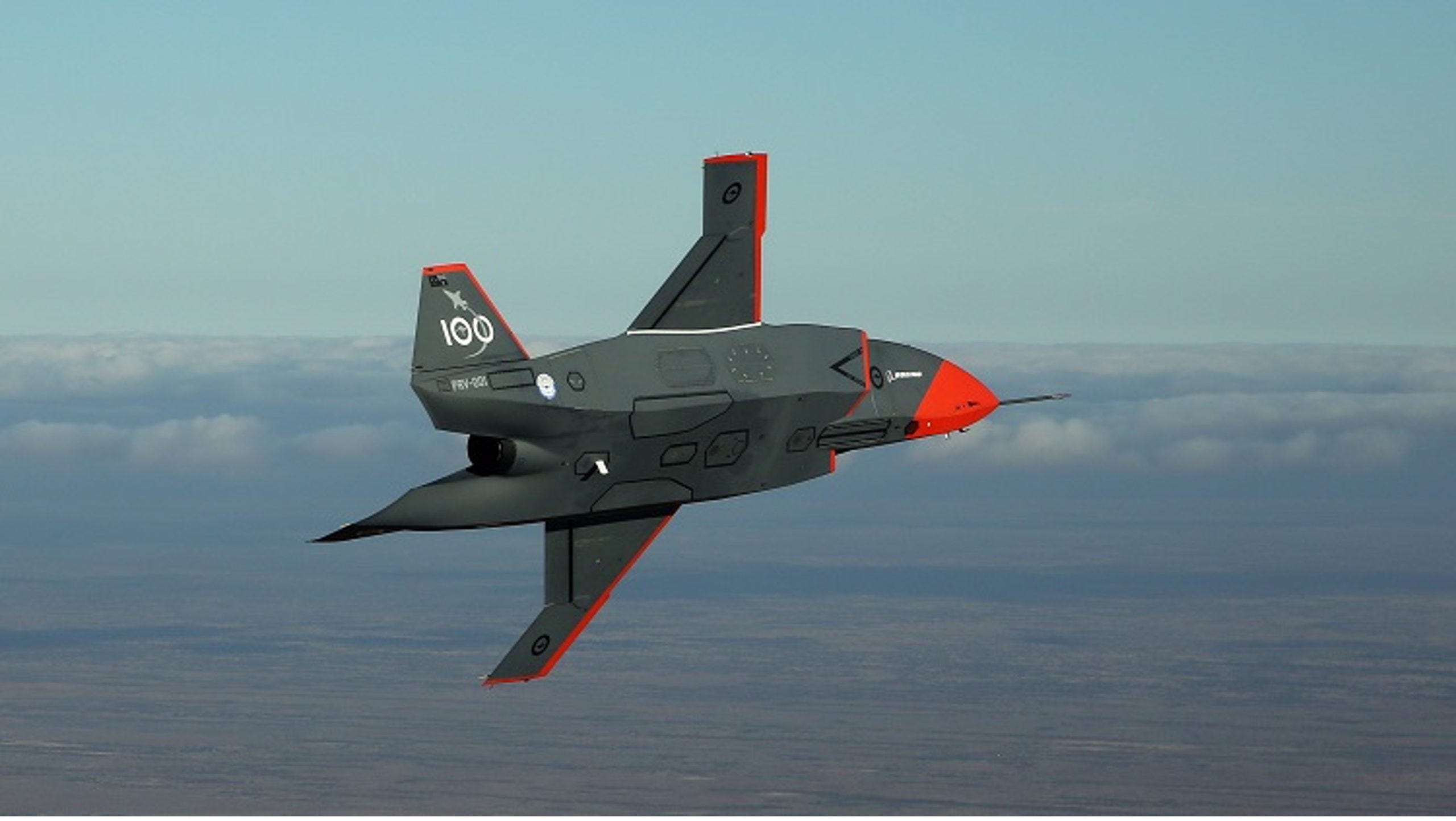
Drone Technologies at Sea: The Next Evolution of Naval Aviation
Naval aviation is entering a decisive new phase, driven by the rapid introduction of advanced drones specifically designed for maritime environments. Instead of relying solely on crewed fighters, fleets are now integrating uncrewed systems capable of reconnaissance, logistics, electronic warfare, and precision strikes. These technologies allow warships to project power further into contested zones, while reducing both costs and risks to human crews. Freed from the limitations of pilot safety, naval drones can be optimised for endurance, payload capacity, and modular upgrades. This shift represents not just a technological improvement but a fundamental change in how fleets generate and sustain air power at sea.
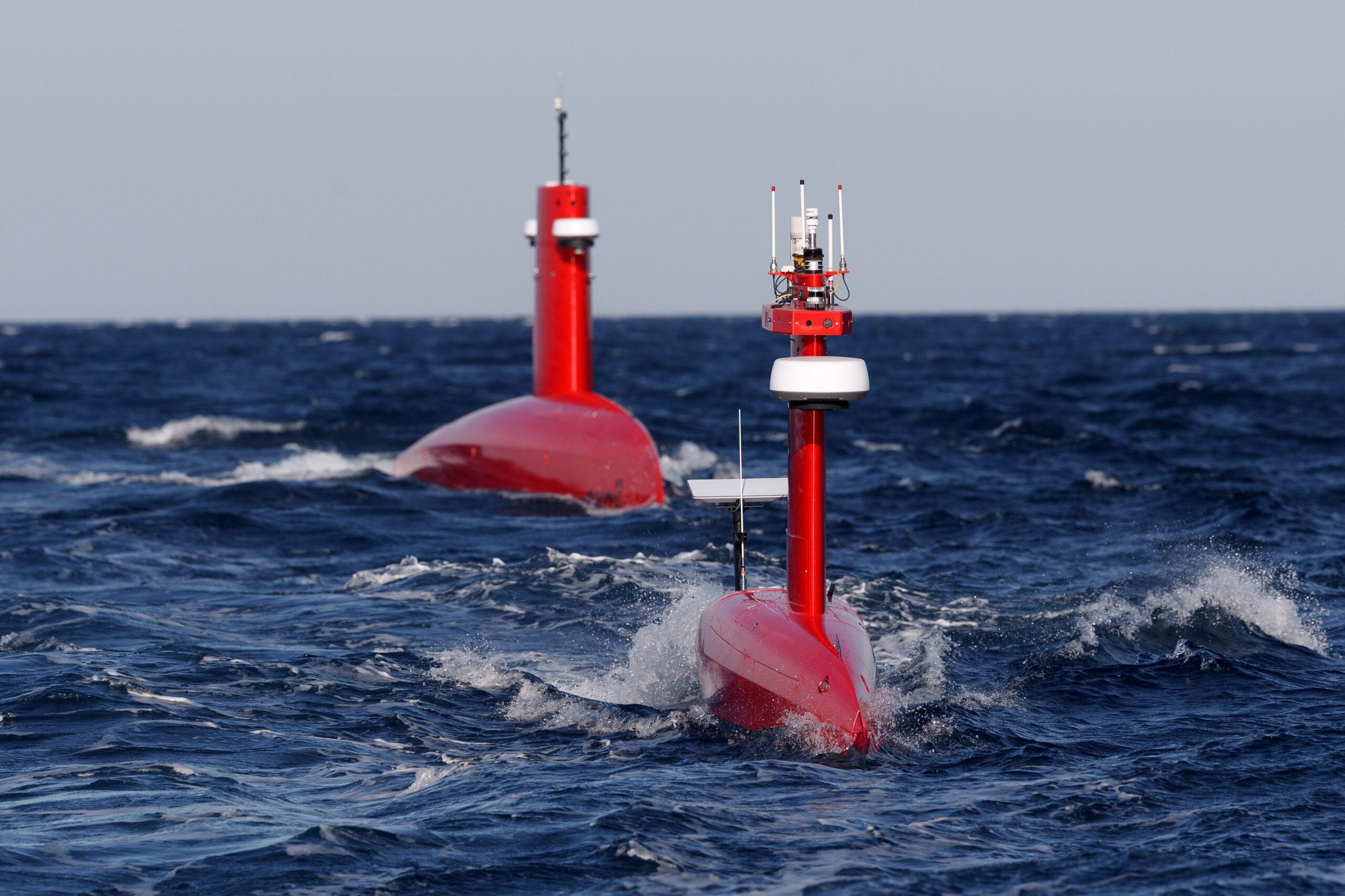
The Silent Frontline
The deep ocean is rapidly emerging as one of the most critical battlefields of modern defense. Recent disruptions to subsea gas pipelines and telecoms cables have shown how vulnerable the infrastructure underpinning global economies truly is. Governments, defense planners, and industry leaders now see the seabed not just as a domain of commerce but as a potential theater of conflict where sabotage and surveillance could reshape national security. The United States has tightened its subsea cable regulations, while the United Kingdom has highlighted underwater protection as a priority in its strategic defense review. Unlike traditional naval warfare, which focused on hunting a single submarine with a handful of ships and aircraft, today’s challenge involves securing vast stretches of critical infrastructure against elusive and distributed threats. That shift requires a revolution in strategy, technology, and scale.
Company Profiles & Industrial Intelligence

QuadSAT (Denmark) – Drone-Based Satellite Antenna Testing & Calibration
QuadSAT is a Danish deep-tech company that has transformed a niche yet critical aspect of the space and defense industry: the testing and calibration of satellite communication antennas using drones. Founded in 2017 in Denmark, QuadSAT emerged from the recognition that conventional methods of antenna validation were cumbersome and costly, often requiring dedicated infrastructure or live satellites. By contrast, QuadSAT’s approach uses unmanned aerial vehicles (UAVs) equipped with specialized radio-frequency (RF) payloads to emulate satellites and conduct precise measurements[1][2]. This innovative solution has attracted attention across the satellite communications (SATCOM) sector and defense community, positioning QuadSAT as a pioneer in mobile, on-site RF testing.

Neuromorphica Ltd — Neuromorphic AI Hardware for Security & Defence (UK)
Neuromorphica Ltd is quietly emerging as a pivotal European player in the race to develop brain-inspired artificial intelligence hardware for security and defense applications. Founded by veteran engineers with decades of experience in chip design and AI, this deep-tech startup is developing neuromorphic computing chips that mimic neural networks to deliver faster, more efficient data processing[1][2]. With core operations in Sofia’s Tech Park in Bulgaria and a presence in Turin, Italy, the company embodies Europe’s drive to achieve technological sovereignty: its flagship processor platform is fully designed and manufactured in Europe[3]. Neuromorphica’s innovative system-on-chip integrates neuromorphic AI accelerators with software-defined radio (SDR) communications, enabling smart sensors and autonomous platforms to operate securely even under electronic warfare conditions[1]. This unique approach has quickly drawn the attention of NATO and EU innovation circles.
Phantom Photonics: Quantum Photonic Sensors for Military Imaging
Phantom Photonics is a pioneering developer of quantum-enhanced photonic sensors that push the limits of military imaging and remote sensing. Founded as a spin-off from Canada’s Quantum Photonics Lab at the University of Waterloo, the company is now expanding into Europe with cutting-edge technology designed for extreme environments[1]. Its signature innovation – a LiDAR-based 3D imaging sensor leveraging quantum coherence – promises dramatically extended range and stealthy operation, allowing detection even when only a single photon returns[2].

OWL Integrations: Resilient Vision and Networking for Europe’s Defense Autonomy
OWL Integrations is transforming how responders and armed forces stay connected when traditional communication fails. This UK-based deep-tech startup has developed a novel wireless networking system that keeps data flowing even in total darkness and complex disaster zones[1]. Originally emerging from an IBM-backed global challenge, OWL’s technology creates ad-hoc “mesh” networks using low-power devices – nicknamed “DuckLinks” – that can be rapidly deployed on land, at sea, or even dropped from drones[2][3]. In recent years, the company’s solution has drawn attention from NATO innovation programs for its potential to enhance situational awareness in degraded environments[4]. OWL’s story – from hackathon concept to a defense accelerator cohort – offers a glimpse into how small dual-use innovators can bolster European strategic autonomy. This introduction sets the stage for a deep-dive into OWL Integrations’ strategic-technological profile, exploring how its resilient vision and IoT networking technology may strengthen Europe’s defense capabilities and reduce reliance on non-allied suppliers.

Marine Thinking Inc. – Strategic-Technological Analysis
Marine Thinking Inc. is a Canadian deep-tech company pioneering autonomous maritime surveillance with a blend of artificial intelligence and robotics. Founded in Halifax in 2018, it has rapidly evolved from a local startup into a noteworthy player in the ocean technology sector. The company’s uncrewed surface vessels (USVs) and AI-driven control systems are transforming how we monitor and interact with maritime environments. From retrofitting small boats with “smart” autonomy kits to deploying fully electric autonomous craft, Marine Thinking’s innovations promise safer and more efficient ocean operations. Crucially, these technologies align with emerging defense needs: providing persistent coastal surveillance, assisting in search and rescue, and protecting critical marine infrastructure. As Europe pursues strategic autonomy in defense and resilience, Marine Thinking’s rise offers a compelling case study of allied innovation. The following analysis will delve into how this Canadian company’s capabilities could strengthen European maritime security, enhance NATO interoperability, and reduce reliance on non-allied suppliers—all while maintaining Europe’s technological sovereignty.

HG Partners (SEADAR) – Strategic-Technological Analysis
HG Partners – known by its product name SEADAR – is an emerging defense technology company pioneering a new class of underwater surveillance sensors. Founded in 2015 and headquartered in Dallas, Texas, this deep-tech startup has developed the first subsea radar system capable of detecting and mapping metallic objects in saltwater[1]. The company’s innovation addresses a critical blind spot in maritime security: traditional sonar and cameras struggle to provide continuous, wide-area monitoring of harbors and subsea infrastructure. SEADAR’s novel electromagnetic detection network promises to fill this gap, with the potential to secure ports, coastal zones, and underwater infrastructure against stealthy threats. As European nations intensify efforts to protect critical maritime assets and achieve technological autonomy, HG Partners offers a compelling solution. Its story – transitioning a patented invention into a defense capability – invites close examination of how a niche American startup could contribute to Europe’s strategic security objectives.