

Defence Finance Monitor is a specialised source of analysis for professionals who seek to anticipate how strategic priorities shape investment patterns in the defence sector. In a landscape shaped by high-stakes political choices and rapid technological shifts, understanding the link between military doctrine, operational requirements, and industrial policy is not a competitive edge—it is a prerequisite.
We analyse how strategic imperatives set by NATO, the European Union, allied Indo-Pacific democracies, and national Ministries of Defence translate into procurement programmes, innovation roadmaps, and long-term industrial priorities. Rather than listing individual companies, we track how clearly defined strategic challenges—such as deterrence gaps, technological dependencies, or capability shortfalls—are converted into funding schemes and institutional demand. Only companies that respond to these challenges become relevant to institutional buyers and, by extension, to investors. This framework has already enabled a growing community of analysts and financial professionals to make more consistent, risk-aware decisions and to avoid costly misalignments.
Building on this methodology, we are developing a structured database of companies analysed and classified according to the strategic-technological criteria set out in our framework. Subscribing to Defence Finance Monitor therefore provides not only access to in-depth reports, but also to a continuously expanding database of European and allied defence firms assessed against clear benchmarks. Each company is positioned according to its alignment with EU and NATO priority capability areas, its contribution to European strategic autonomy, its level of interoperability and deterrence value, and its role in reducing dependencies on non-allied suppliers. Classification also covers technology readiness levels, participation in EU and NATO programmes, intellectual property assets, and dual-use applications. This allows subscribers to compare, benchmark, and identify the most strategically relevant actors within a coherent, transparent, and decision-oriented taxonomy.
Subscribing to Defence Finance Monitor means gaining access to a strategic intelligence service that connects financial decisions with defence priorities. At the core of our work is a structured database of European and allied defence companies, classified according to strategic-technological criteria such as autonomy, interoperability, deterrence, and supply chain resilience. In today’s environment, profitable investment requires more than market data: it requires understanding how limited public resources are channelled toward specific capability gaps, sovereign technologies, and the reduction of non-allied dependencies. By combining in-depth reports with a continuously expanding company database, Defence Finance Monitor enables investors to anticipate demand, benchmark firms against institutional priorities, and avoid costly misalignments.
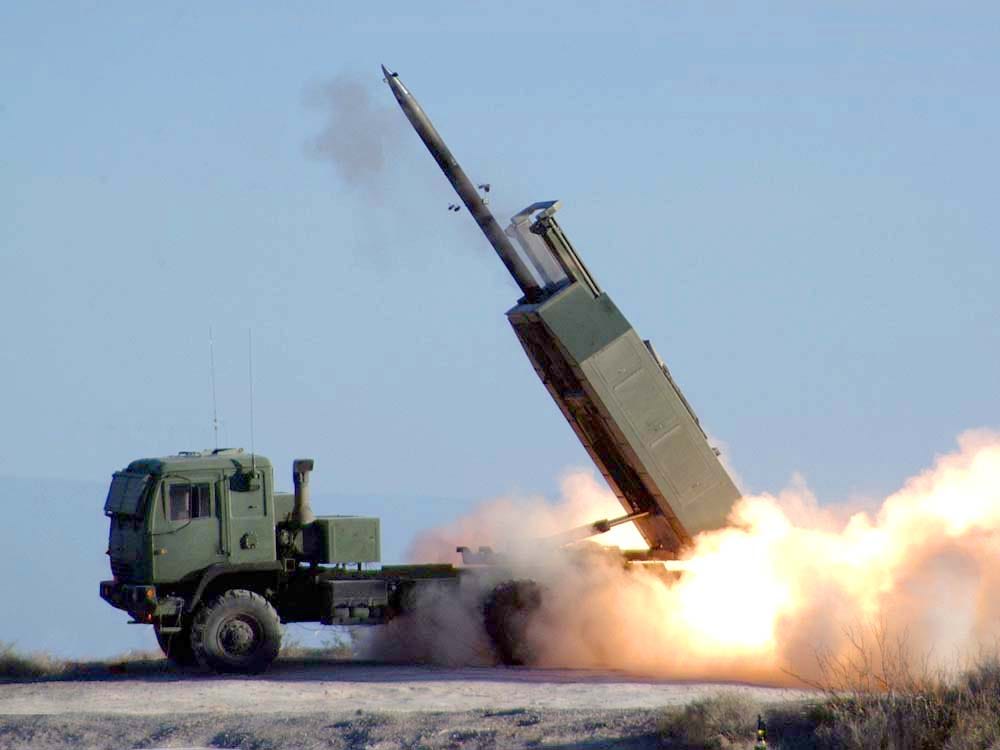
U.S. Approves $500 Million Sale of HIMARS Systems to Bahrain
The transfer of advanced long-range precision fires has become a defining feature of U.S. security partnerships, particularly in regions where maintaining deterrence and coalition interoperability are paramount. High Mobility Artillery Rocket Systems (HIMARS) are not simply tactical weapons; they represent a capability that connects precision, mobility, and multi-domain integration. Their deployment allows smaller allied forces to achieve effects disproportionate to their size, reinforcing both national defense and coalition operations. In the Middle East, where U.S. security interests intersect with regional instability and the presence of peer competitors, providing partners with HIMARS systems is as much about shaping strategic balance and ensuring U.S. basing security as it is about enabling national defense. The approval of Bahrain’s request for HIMARS reflects this dual purpose, strengthening a key non-NATO ally while embedding it more deeply in U.S.-led defense architectures.
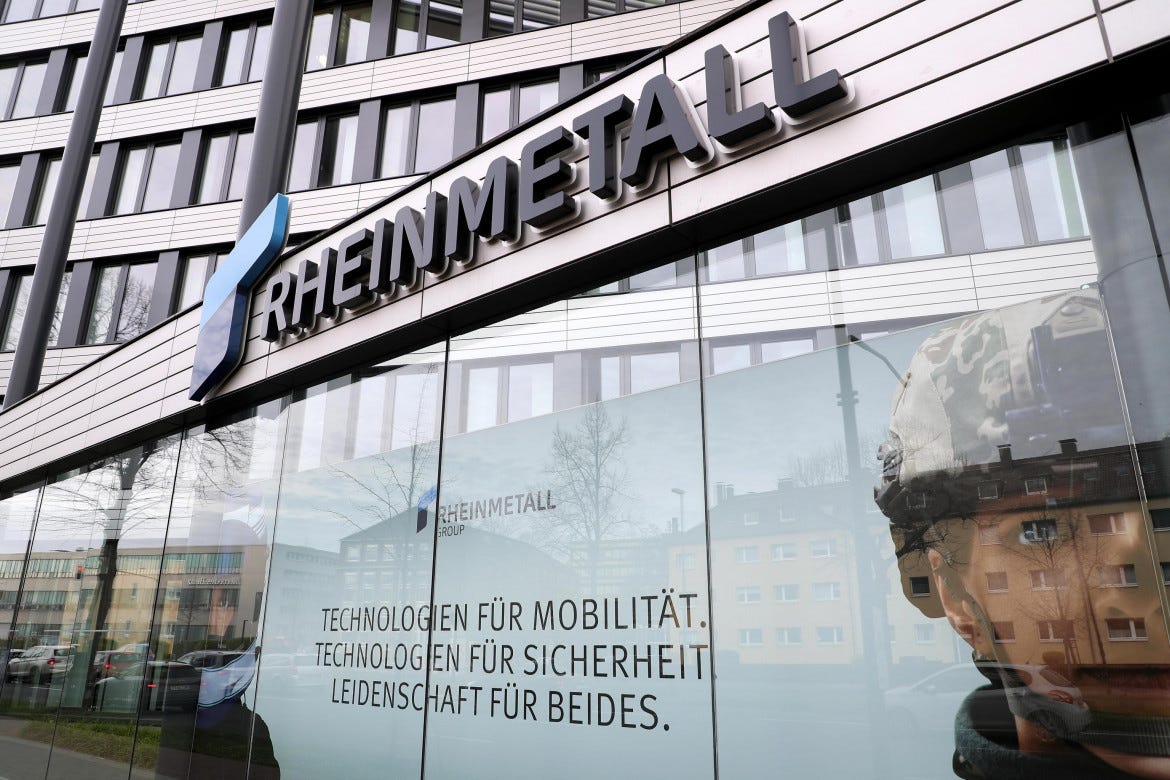
Rheinmetall and the Redefinition of Its Strategic Role in the European Defence Ecosystem
The announcements made between August and September 2025 highlight a decisive shift in Rheinmetall’s strategic trajectory. The company is expanding beyond its traditional domains, positioning itself as a central actor in building integrated European capabilities. Alongside its core strengths in land systems and ammunition manufacturing, Rheinmetall is now pushing into the space domain, establishing cross-border partnerships, consolidating supply chains, and developing long-range precision fires in cooperation with U.S. partners—all while maintaining a distinctly European production and integration base. The common denominator is the goal of shortening deployment timelines for critical capabilities, reinforcing industrial resilience, and enhancing both European and NATO sovereignty in defence operations.
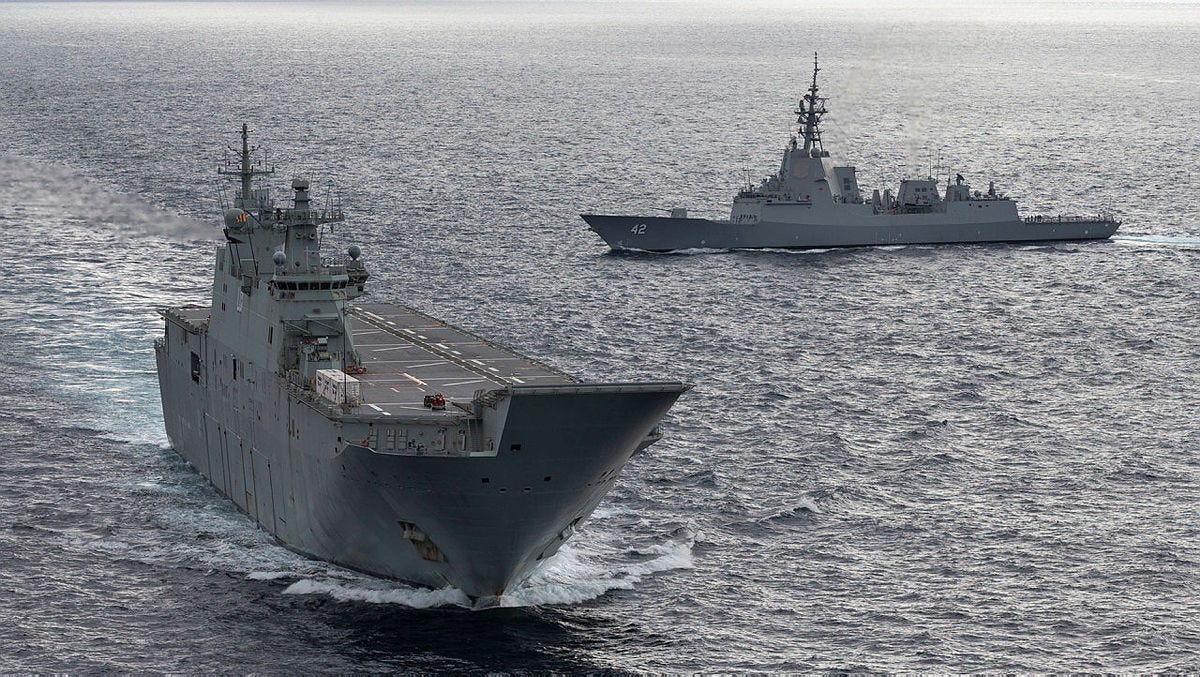
Australia Launches Henderson Defence Precinct: Strategic Implications for Naval Autonomy
The Australian Government has confirmed the establishment of the Henderson Defence Precinct in Western Australia, designating it as a world-class shipbuilding and sustainment hub and a vital national security asset. Backed by an initial investment of AUD 127 million over three years, the project will provide the infrastructure for continuous naval shipbuilding, support Australia’s AUKUS commitments, and create more than 10,000 jobs across the region. Henderson will host facilities for docking and maintaining nuclear-powered submarines, build dozens of landing craft for the Australian Defence Force, and complement the Osborne Naval Shipyard in South Australia as a core pillar of the continuous naval shipbuilding enterprise. A Strategic Shipbuilding Agreement signed with Austal Defence Australia designates the company as Henderson’s sovereign strategic shipbuilder, ensuring long-term planning, workforce growth, and supply chain confidence.

Algorithmic Information Warfare and the Role of Social Media Platforms
Modern warfare is no longer confined to physical battlespaces; it increasingly unfolds in the digital domain where information flows shape perceptions, morale, and legitimacy. Social media platforms have become central arenas in this contest, not simply because they disseminate information quickly, but because their algorithmic architectures amplify certain messages over others. The logic of recommendation systems, trending algorithms, and engagement-driven ranking means that narratives can spread virally, reaching audiences across the globe in seconds. For states and non-state actors alike, this creates opportunities to influence perceptions, mobilize support, and disrupt adversary cohesion without firing a shot. Information warfare has always been part of conflict, but in the algorithmic age it acquires new characteristics: speed, scale, and automation. Platforms designed for commercial engagement now function as de facto battlespaces where narratives compete for dominance, shaping both domestic resilience and international opinion. The outcome of wars is no longer determined solely by what happens on the ground, but also by who wins the contest of legitimacy in the algorithmic sphere.
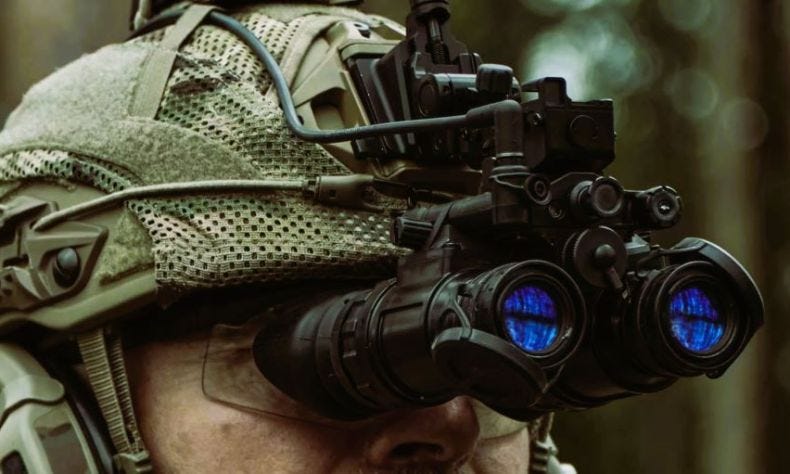
Kopin–Theon Strategic Partnership and Its Implications for Allied Defense
The defense technology sector is undergoing rapid restructuring as companies seek partnerships that expand their market access and accelerate innovation. The agreement between Kopin Corporation and Theon International represents a significant step in this direction, linking a U.S. leader in microdisplays and optical systems with a European specialist in night vision and thermal imaging. The $15 million investment, which includes equity participation in Kopin Europe and a preferred share purchase, is designed not merely as financial support but as a strategic alliance to bridge U.S. and European defense industrial capabilities. This reflects a broader trend in the transatlantic defense ecosystem: alliances between niche technology providers are increasingly essential to meet the demand for man-portable, digitally enabled systems required in hybrid warfare environments. By pooling resources, the two companies are positioning themselves to supply NATO forces with integrated solutions that support both conventional and irregular operations.
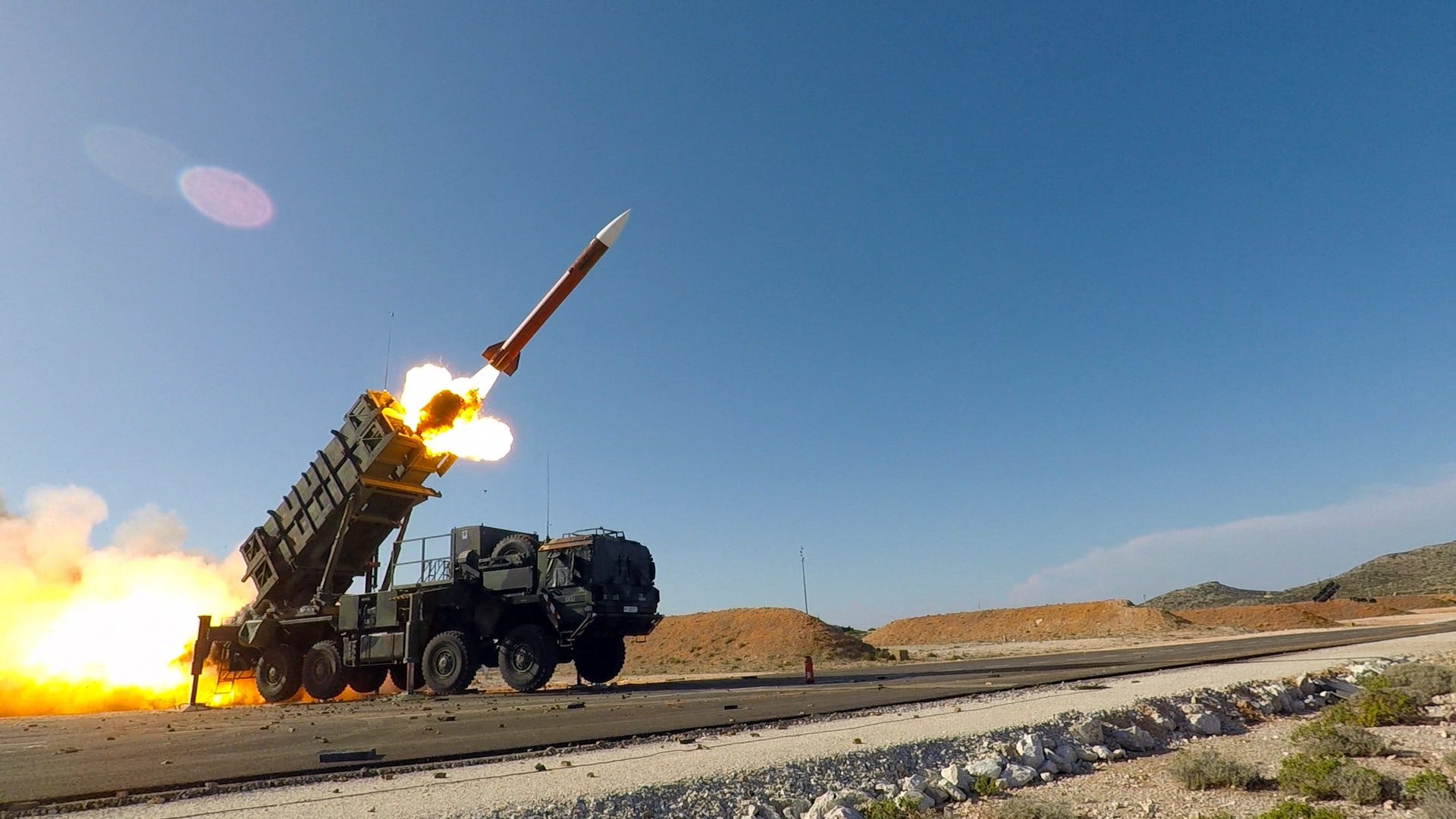
Europe Buys U.S. Patriot Systems Instead of Building Its Own Missile Defense
In late August 2025, the U.S. State Department approved two significant Foreign Military Sales concerning the Patriot air defense system. Denmark secured authorization for an $8.5 billion acquisition of Integrated Battle Command System-enabled Patriot units, including a wide range of missiles, radars, engagement control stations, and supporting equipment, while Ukraine obtained approval for $179.1 million in sustainment services for its existing Patriot systems. Both cases highlight the deepening reliance of European countries on American missile defense technology, particularly at a moment of heightened geopolitical tension and strategic uncertainty. Although these sales are framed as strengthening NATO’s collective security and enabling partners to better confront aerial and ballistic missile threats, they also underscore Europe’s persistent dependence on U.S. suppliers, particularly Raytheon (RTX), Lockheed Martin, and Northrop Grumman. This reliance is notable given the existence of strong European defense contractors, such as MBDA, which have not been able to develop or consolidate a comprehensive indigenous missile defense alternative capable of competing with Patriot in the NATO context.