

Defence Finance Monitor is a specialised source of analysis for professionals who seek to anticipate how strategic priorities shape investment patterns in the defence sector. In a landscape shaped by high-stakes political choices and rapid technological shifts, understanding the link between military doctrine, operational requirements, and industrial policy is not a competitive edge—it is a prerequisite.
We analyse how strategic imperatives set by NATO, the European Union, allied Indo-Pacific democracies, and national Ministries of Defence translate into procurement programmes, innovation roadmaps, and long-term industrial priorities. Rather than listing individual companies, we track how clearly defined strategic challenges—such as deterrence gaps, technological dependencies, or capability shortfalls—are converted into funding schemes and institutional demand. Only companies that respond to these challenges become relevant to institutional buyers and, by extension, to investors. This framework has already enabled a growing community of analysts and financial professionals to make more consistent, risk-aware decisions and to avoid costly misalignments.
Building on this methodology, we are developing a structured database of companies analysed and classified according to the strategic-technological criteria set out in our framework. Subscribing to Defence Finance Monitor therefore provides not only access to in-depth reports, but also to a continuously expanding database of European and allied defence firms assessed against clear benchmarks. Each company is positioned according to its alignment with EU and NATO priority capability areas, its contribution to European strategic autonomy, its level of interoperability and deterrence value, and its role in reducing dependencies on non-allied suppliers. Classification also covers technology readiness levels, participation in EU and NATO programmes, intellectual property assets, and dual-use applications. This allows subscribers to compare, benchmark, and identify the most strategically relevant actors within a coherent, transparent, and decision-oriented taxonomy.
Subscribing to Defence Finance Monitor means gaining access to a strategic intelligence service that connects financial decisions with defence priorities. At the core of our work is a structured database of European and allied defence companies, classified according to strategic-technological criteria such as autonomy, interoperability, deterrence, and supply chain resilience. In today’s environment, profitable investment requires more than market data: it requires understanding how limited public resources are channelled toward specific capability gaps, sovereign technologies, and the reduction of non-allied dependencies. By combining in-depth reports with a continuously expanding company database, Defence Finance Monitor enables investors to anticipate demand, benchmark firms against institutional priorities, and avoid costly misalignments.
Strategic Context & International Security

Redefining the Concept of Victory and the Resilience of Public Opinion
The transformation of contemporary conflicts has undermined the classical notion of victory. In past wars, victory was tied to the conquest of territory, the surrender of the adversary, or the signing of a peace treaty. Today, wars often lack a clear beginning and end, and in many cases they never end at all. We speak of “endless wars,” of frozen conflicts, or of hybrid wars dragging on for years without definitive outcomes. In this context, victory becomes a problematic concept, difficult to define and even harder to achieve. Success is no longer identified with traditional military triumph but with the ability to endure, to contain, and to wear down the adversary over the long term.
Books & Reports

"The Revolution in Strategic Affairs" by Lawrence Freedman
Lawrence Freedman’s The Revolution in Strategic Affairs, published by the International Institute for Strategic Studies in 1998, addresses a question that had become central to strategic debate in the 1990s: the so-called “Revolution in Military Affairs” (RMA). The author situates his analysis in the post–Cold War context, when Western countries, especially the United States, had downsized their armed forces to cash in on the “peace dividend,” only to find themselves engaged in multiple regional conflicts, peacekeeping missions, and humanitarian interventions in the Balkans, the Gulf, and Africa. Freedman notes that the downsizing of the 1990s had not erased the need for military capabilities but had forced a rethink of force structures and of the very way war was conceived. The central question is whether technological, organizational, and doctrinal shifts of the time truly amounted to a revolution or merely an incremental adaptation. From the outset, Freedman stresses that to speak of revolution is to point to radical transformations, whereas the RMA concept was often used as a slogan or as a political tool to justify military spending. For this reason, the book seeks to examine the RMA with balance, distinguishing rhetoric from reality, and showing that the real change lies more in “strategic affairs” than in technology alone.
Company Profiles & Industrial Intelligence
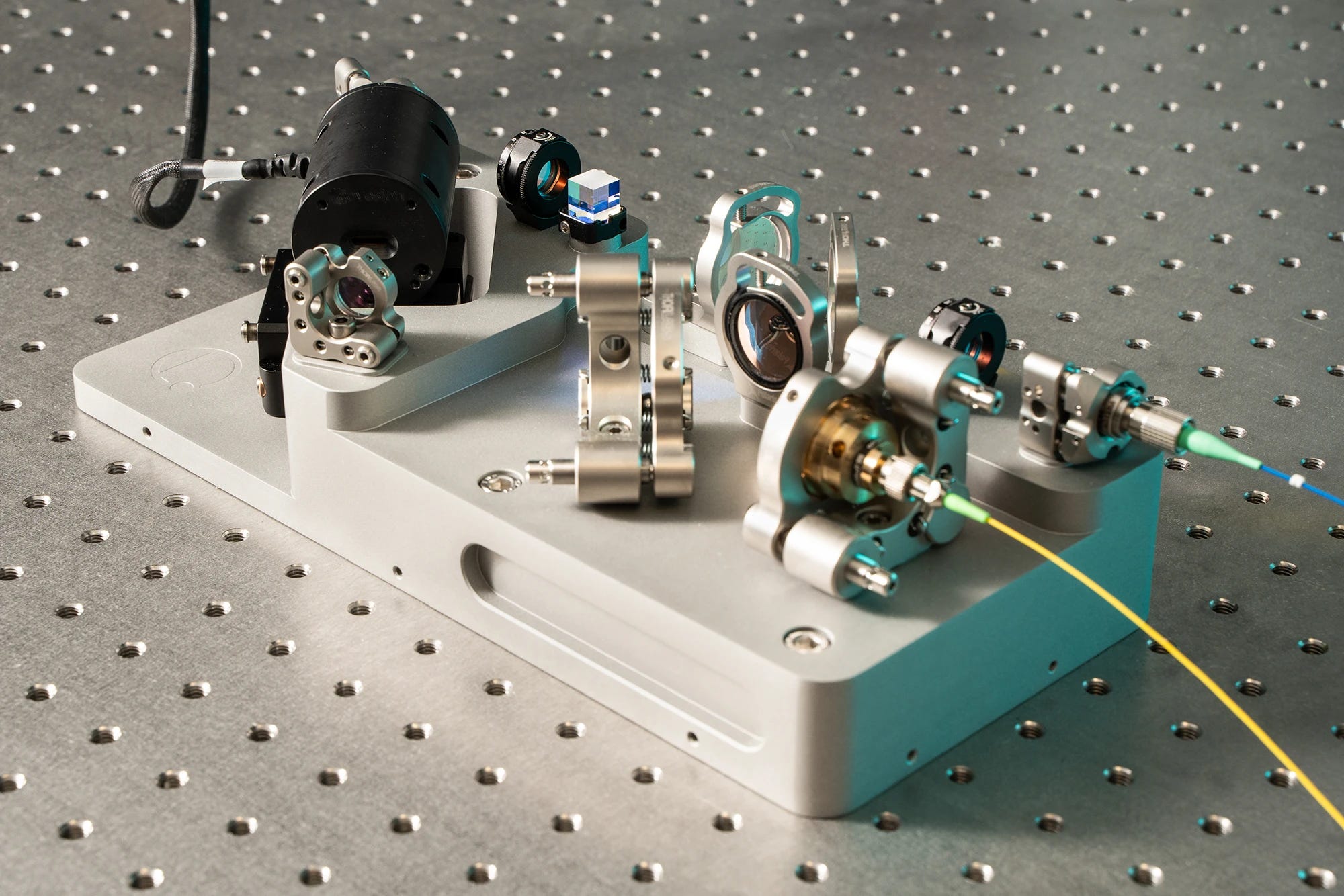
Quantum Industries: Europe’s Secure Quantum Communications Spin-off
In an era when quantum computing looms as both an engine of innovation and a cybersecurity threat, Europe is racing to secure its digital backbone against future adversaries. One company at the forefront of this effort is Quantum Industries GmbH, a Vienna-based deep-tech venture spun out of the Austrian Academy of Sciences[1]. Specializing in quantum key distribution (QKD) via entangled photons, Quantum Industries promises “unbreakable telecommunications security”[2] for critical infrastructure across the continent. Born from decades of Nobel-caliber research in quantum physics, this startup has quickly positioned itself as a linchpin in Europe’s quest for strategic autonomy in secure communications. Western governments are increasingly wary of relying on Chinese cryptography solutions[3], and Quantum Industries offers a sovereign European alternative built entirely within EU borders[4]. Early demonstrations of its entanglement-based QKD technology have set distance records and attracted serious interest from defense and industry stakeholders. In the face of rising geopolitical tensions and accelerated technological change, Quantum Industries represents a compelling intersection of cutting-edge science and strategic security objectives. Its story – from academic lab to European defense hopeful – provides insight into how Europe can harness homegrown innovation to bolster deterrence, fortify alliances, and reduce reliance on non-allied suppliers in the quantum age.
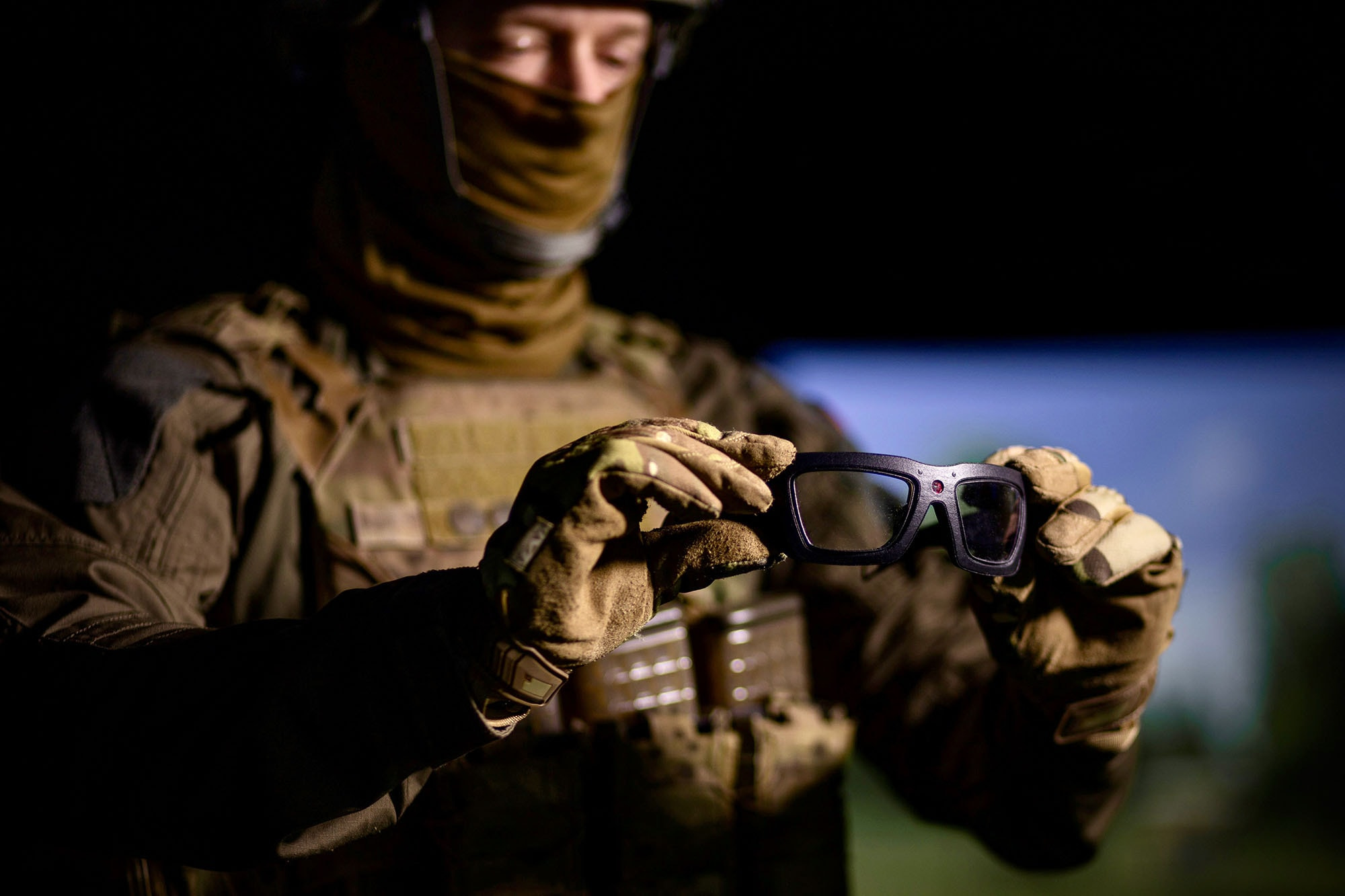
Viewpointsystem – Augmented Reality Eye-Tracking Glasses for Training & Enhanced Perception
A Vienna-based deep-tech company is quietly redefining how humans interact with the digital world – and in the process, it’s bolstering Europe’s technological sovereignty. Viewpointsystem GmbH has developed advanced smart glasses with built-in eye-tracking (“Digital Iris”) that merge augmented reality (AR) with real-time insight into human vision and attention. Originally a university research spin-off, the firm’s glasses have already earned international awards and are used in industries from manufacturing to security[1]. Now, European defense planners are taking notice. By enabling trainers and operators to literally see through the eyes of the user, Viewpointsystem’s technology enhances situational awareness and decision-making under stress[2]. More importantly, it provides a home-grown European alternative to AR systems from abroad, reducing reliance on non-allied suppliers. From military simulation exercises to remote maintenance of critical infrastructure, this small company’s innovation is punching above its weight – and aligning with EU strategic autonomy goals in the process. It’s a story of cutting-edge AR eyewear that might soon become as commonplace in European defense as night-vision goggles, illustrating how Europe’s own startups can deliver both technological edge and sovereignty.
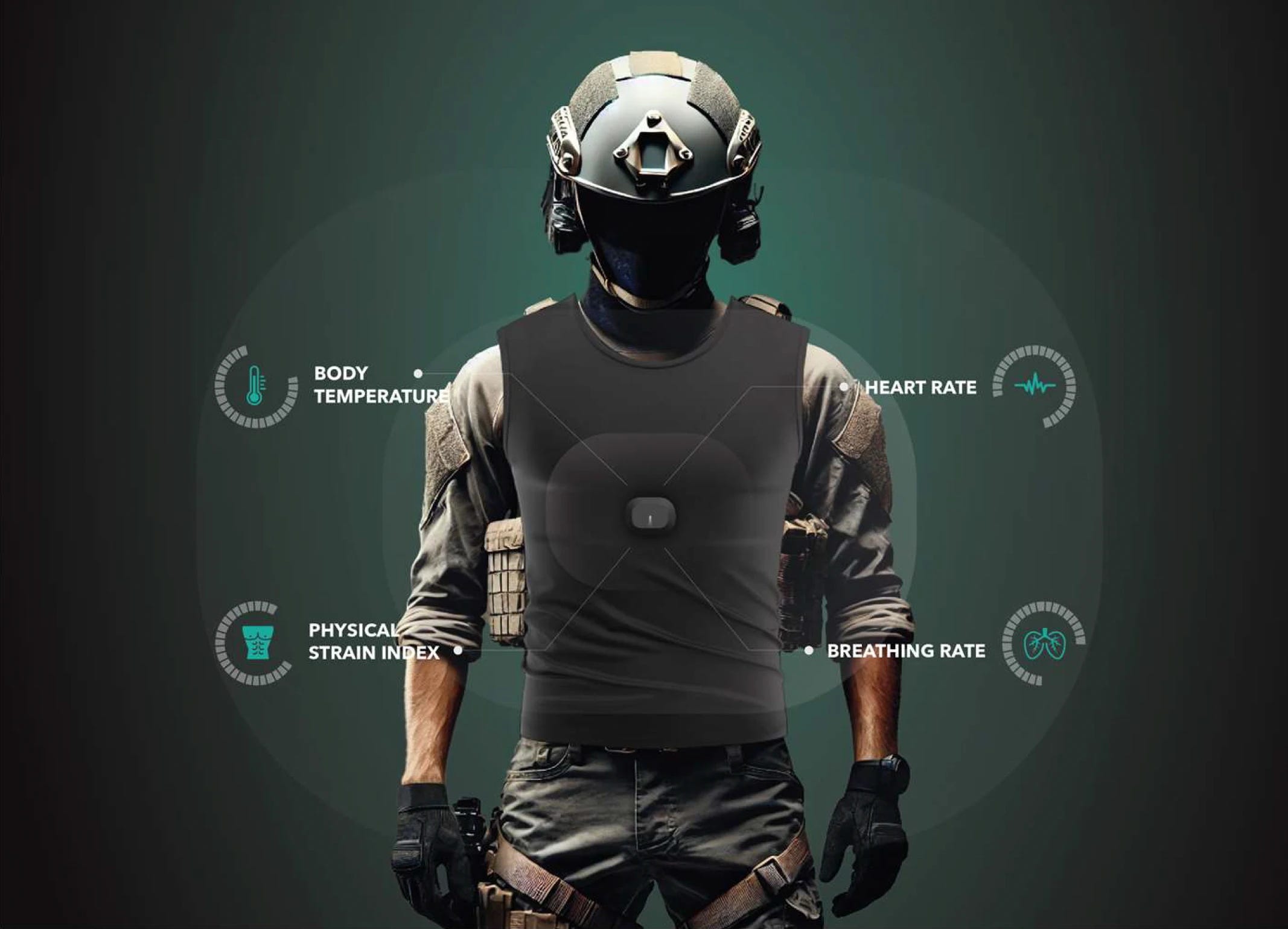
QUS Body Connected: European Dual-Use Wearable Biosensor Technology
QUS Body Connected is a European startup pioneering “smart” apparel that can unobtrusively track human vital signs in real time. Founded in Austria, the company emerged from the sportswear industry with a vision to embed advanced biosensors into comfortable, washable garments. Its flagship product – a smart fitness shirt – seamlessly integrates textile-based sensors and a miniature on-board device to capture metrics like heart rate, breathing rate, and motion without the wearer needing any clunky gadgets[1]. This innovative approach earned early accolades in consumer tech circles and demonstrated the platform’s reliability under the intense demands of professional sports. Now, QUS is drawing wider attention by translating its technology from athletic performance to the defense realm. By partnering with major European industry players, the company aims to outfit soldiers and first responders with wearables that monitor health and readiness on the battlefield just as it does on the running track. QUS’s quiet evolution from local sports-tech venture to a dual-use innovator exemplifies how European ingenuity at the human–technology interface can spark capabilities with both civilian and military value. This report will explore how a smart shirt built for athletes is being reimagined as a strategic asset for Europe’s armed forces – potentially strengthening European defense autonomy, enhancing NATO operational effectiveness, and reducing reliance on foreign electronics in the process.
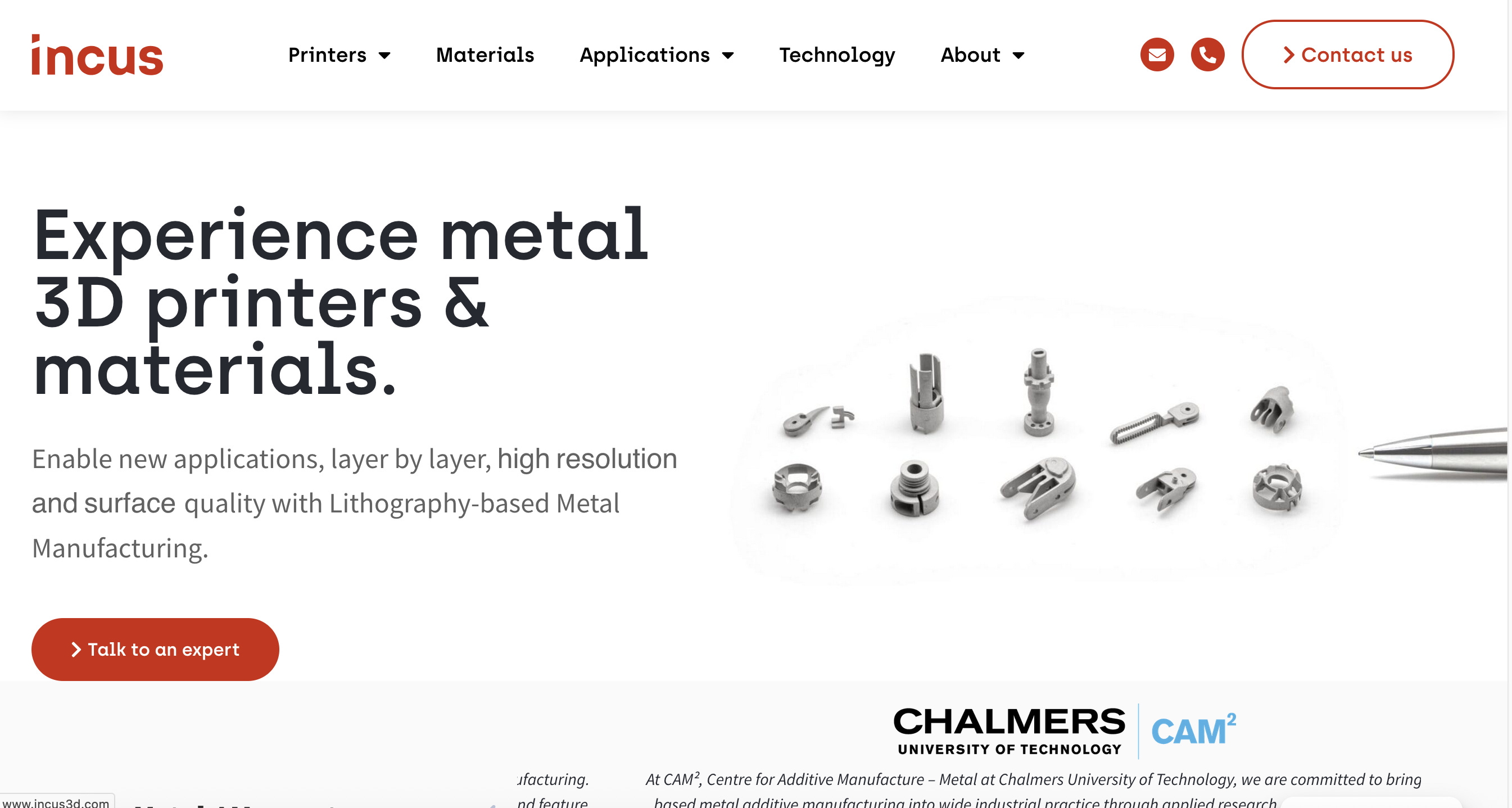
Incus GmbH – Advanced Metal Additive Manufacturing for European Autonomy
Incus GmbH is an Austrian deep-tech startup that emerged from a university laboratory with an ambitious goal: to reshape how high-precision metal components are made. Spun off from TU Wien in late 2019, Incus developed a novel Lithography-based Metal Manufacturing (LMM) process that builds complex metal parts layer by layer with exceptional detail[1][2]. The company’s name—Latin for anvil—hints at a fusion of traditional metallurgy with cutting-edge photolithography. From a small team of six in Vienna, Incus has grown into an international innovator, delivering industrial 3D printers that produce intricate metal pieces without the usual trade-offs in quality or cost. This little-known spin-off is quietly positioning itself at the crossroads of Europe’s technological sovereignty and advanced manufacturing needs. Its story, rooted in European research and entrepreneurial resolve, offers insight into how homegrown innovation can help reduce reliance on foreign suppliers. Many in Europe’s defense and aerospace communities are now watching to see if Incus’s technology can become a strategic enabler – one that not only prints parts, but also helps print Europe’s path towards greater autonomy.