

Defence Finance Monitor provides in-depth analysis of the defence industry and strategic policy areas most relevant to investors. It supports financial professionals in interpreting the evolving criteria of Europe’s strategic autonomy, identifying sectors and companies aligned with NATO, EU policy frameworks, and the emerging ESG paradigm centred on Energy, Security, and Geostrategy. DFM highlights long-term investment opportunities linked to Europe’s rearmament and industrial modernisation, with particular attention to entities positioned to benefit from EU programmes such as EDF, PESCO, and SAFE. It decodes regulatory frameworks including SFDR and the EU Taxonomy, grounding all analysis in official sources with an emphasis on compliance, clarity, and actionable insight. DFM focuses exclusively on companies operating within liberal democracies and on sectors that enhance the strength and resilience of open societies—wherever they are—vis-à-vis authoritarian competition, with a primary focus on Europe.
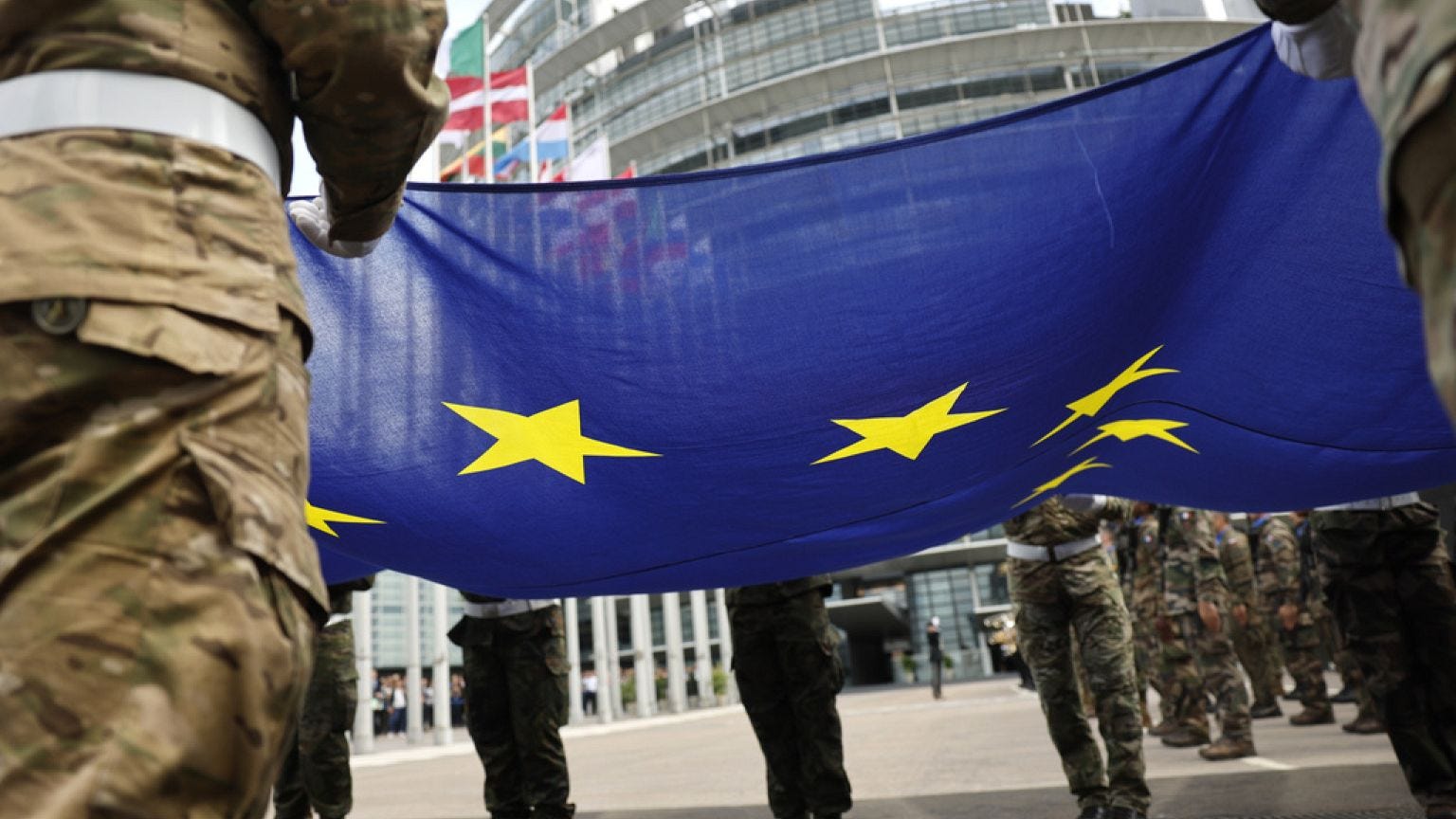
Mapping the Capital Gaps in the EU Defence Build-Up
Russia’s invasion of Ukraine in 2022 triggered a historic surge in EU defence spending. EU member states collectively spent a record €279 billion on defence in 2023, a 10% increase from 2022. Moreover, 2024 spending is forecast to reach €326 billion, reflecting a ninth consecutive year of growth. This “Zeitenwende” (turning point) in European defence has seen 22 out of 27 EU countries boost budgets in 2023, with 11 nations increasing outlays by over 10%. The return of high-intensity war to Europe forced capitals to strengthen military capabilities; in 2023 a record €72 billion (26% of total defence expenditure) went into new equipment procurement and related investments. For the first time, EU collaborative funding mechanisms like the European Defence Fund (EDF) also made a noticeable impact (over €100 million in 2023) on joint R&T projects. Despite this progress, European leaders recognize that simply spending more is not enough – spending better and together is now a core objective. The following sections map the major defence investment plans of 2022–2025, delineate public vs. private capital flows, identify structural financing gaps, and contrast the EU’s approach with U.S. defence-finance pipelines.
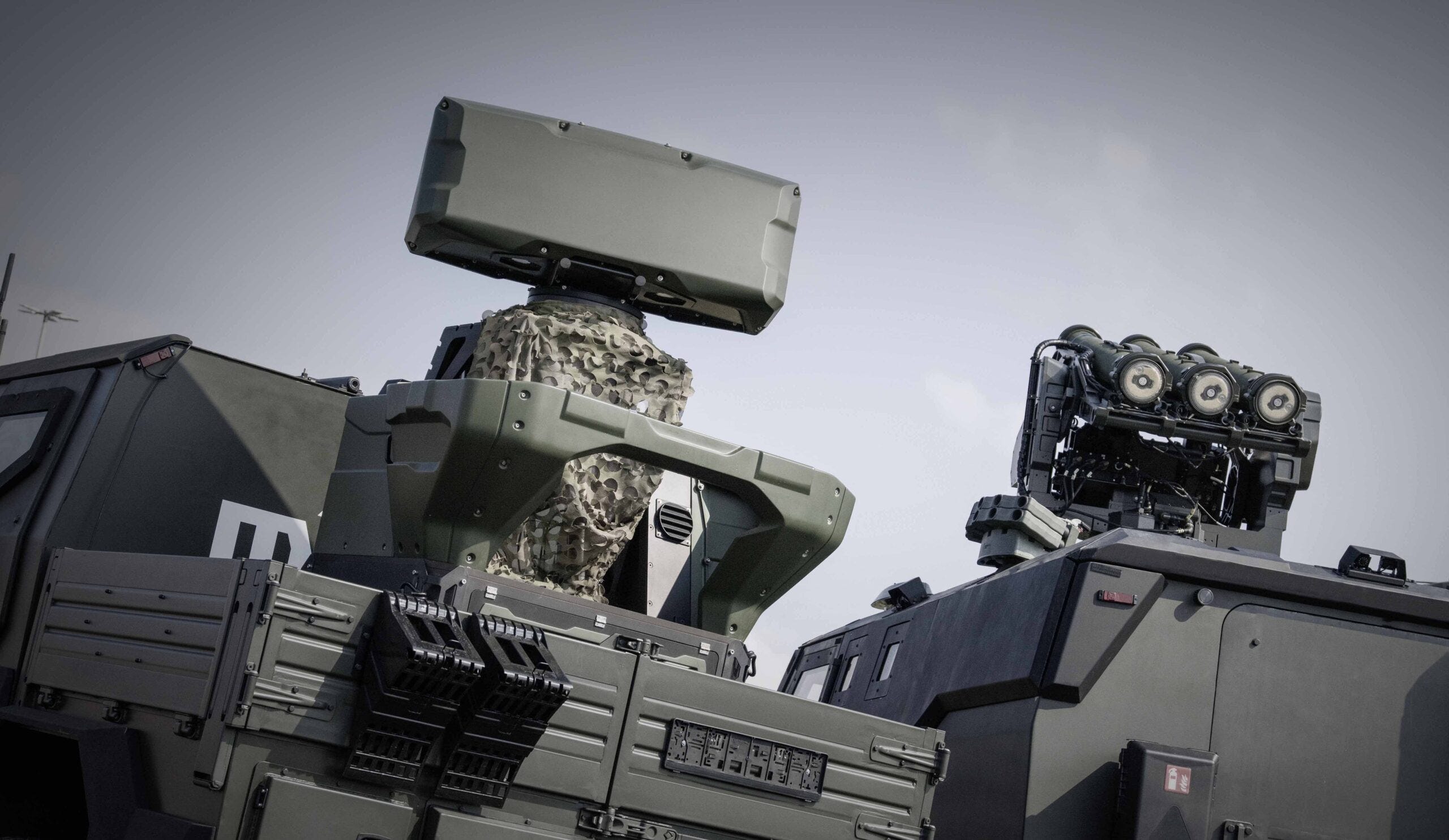
Building a Strategic ESG Portfolio: The 25 Most Eligible Defence and Dual-Use Firms
European regulators and exchanges are explicitly adapting ESG rules to accommodate defence and dual‐use industries. In May 2025 Euronext redefined its ESG acronym to “Energy, Security & Geostrategy”, signaling support for defence firms. Crucially, Euronext has instructed ESG index providers to limit “controversial weapons” exclusions to only those arms banned by international treaties. In practice this means companies with conventional weapons businesses can qualify for ESG funds, provided they have no involvement in treaty-prohibited weapons (e.g. chemical/biological arms, anti-personnel mines, blinding lasers, cluster munitions). This mirrors EU guidance under SFDR (Article 8/9) that permits defence‐related activities so long as extreme controversies are absent.
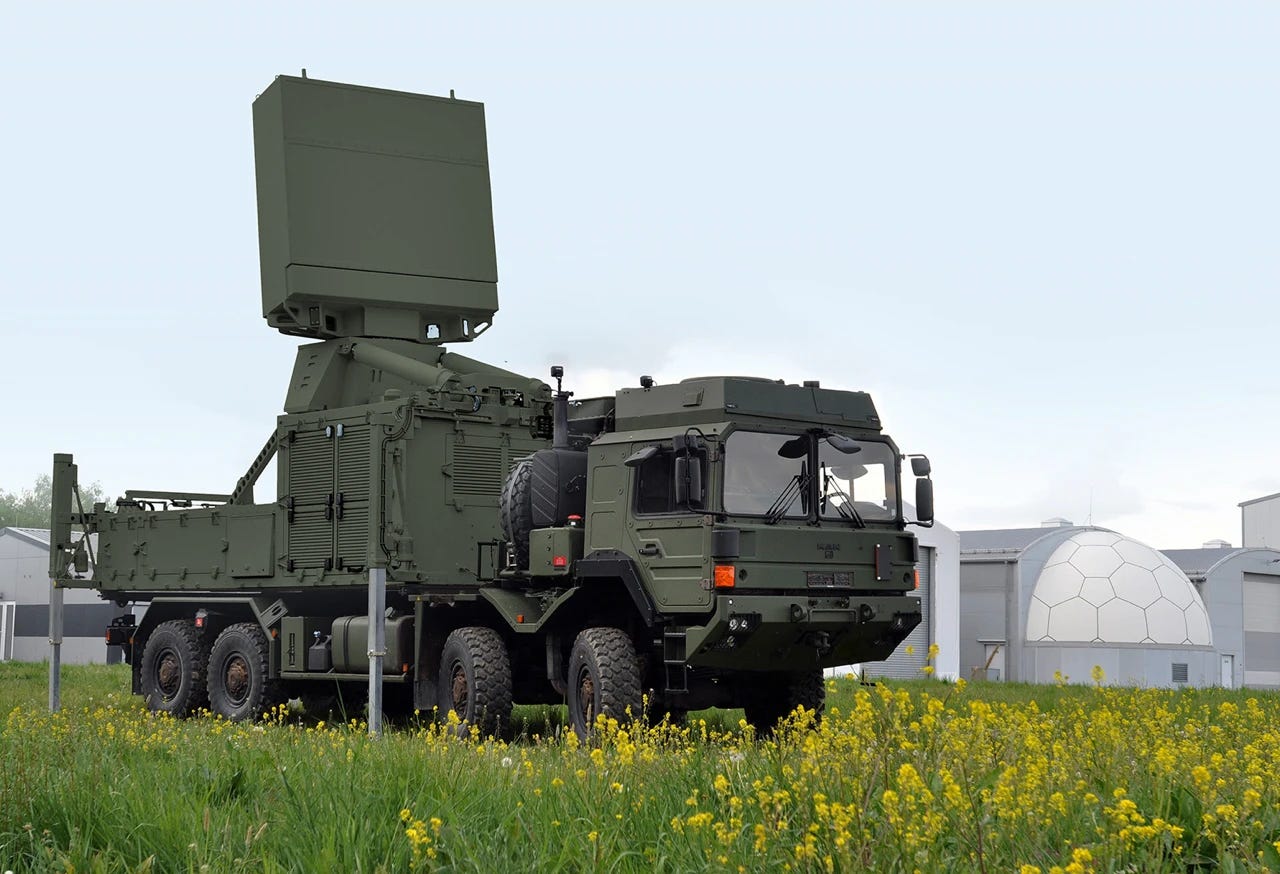
Hensoldt AG: European Defence Sensor Champion
Hensoldt AG has emerged as a linchpin of Europe’s defence technological base. Specializing in sensor, radar, and optronics systems, the Germany-headquartered firm has seen rapid growth from 2022 to 2025 amid a historic upswing in European defence spending. In the wake of Russia’s invasion of Ukraine, EU and NATO nations have boosted defence budgets by over 30% in real terms from 2021 to 2024. Germany alone allocated a €100 billion Sondervermögen (special fund) for defence and approved new exemptions to debt limits to enable even further spending. This environment has fueled record order intake and revenue for Hensoldt, which is now firmly established as a leading European defence electronics house with roughly 9,000 employees and a global footprint. Backed by strategic shareholders – the German government (25.1% stake) and Italy’s Leonardo S.p.A. (~22.8%) – and a public float on the Frankfurt exchange, Hensoldt is uniquely positioned at the nexus of Europe’s industrial policy and defence market demands. The following report assesses Hensoldt’s industrial profile, core technologies, financial performance and prospects, participation in key programs, and its contribution to European strategic autonomy through 2025 and beyond.