

Defence Finance Monitor is a specialised source of analysis for professionals who seek to anticipate how strategic priorities shape investment patterns in the defence sector. In a landscape shaped by high-stakes political choices and rapid technological shifts, understanding the link between military doctrine, operational requirements, and industrial policy is not a competitive edge—it is a prerequisite.
We analyse how strategic imperatives set by NATO, the European Union, allied Indo-Pacific democracies, and national Ministries of Defence translate into procurement programmes, innovation roadmaps, and long-term industrial priorities. Rather than listing individual companies, we track how clearly defined strategic challenges—such as deterrence gaps, technological dependencies, or capability shortfalls—are converted into funding schemes and institutional demand. Only companies that respond to these challenges become relevant to institutional buyers and, by extension, to investors. This framework has already enabled a growing community of analysts and financial professionals to make more consistent, risk-aware decisions and to avoid costly misalignments.
Subscribing to Defence Finance Monitor means gaining access to a strategic intelligence service designed to support financial decisions in the defence sector. Our work is based on a clear method and principle: In today’s environment, there is no profitable investment without strategic understanding. Resources are limited. Knowing where public money is going—and why—makes the difference between reacting to the market and making informed decisions ahead of time.
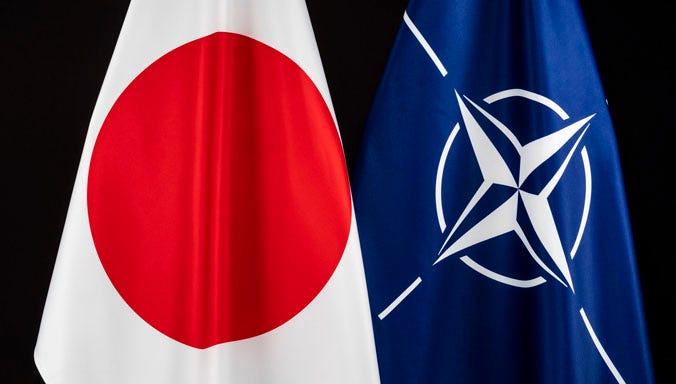
Japan and NATO Deepen Industrial Cooperation to Strengthen Collective Deterrence
Japan and NATO are inaugurating a new phase of strategic cooperation with the launch of a permanent defence-industrial dialogue, marking a significant evolution in the alliance’s global partnerships. Long positioned as a close U.S. ally but formally outside multilateral defence alliances, Tokyo is now aligning more closely with NATO’s industrial and strategic frameworks. The creation of a structured dialogue focused on defence equipment and supply chains reflects both sides’ growing recognition of shared security challenges across the Euro-Atlantic and Indo-Pacific theatres. This initiative builds on Tokyo’s broader shift toward proactive security engagement and reinforces NATO’s ambition to construct a robust trans-regional defence-industrial ecosystem. The dialogue will also serve as a bridge between Japanese technological expertise and NATO's operational requirements, potentially opening new channels of innovation, standardisation and joint production.
Australia Chooses Japan's Mogami-Class Frigates in Historic Defence Agreement
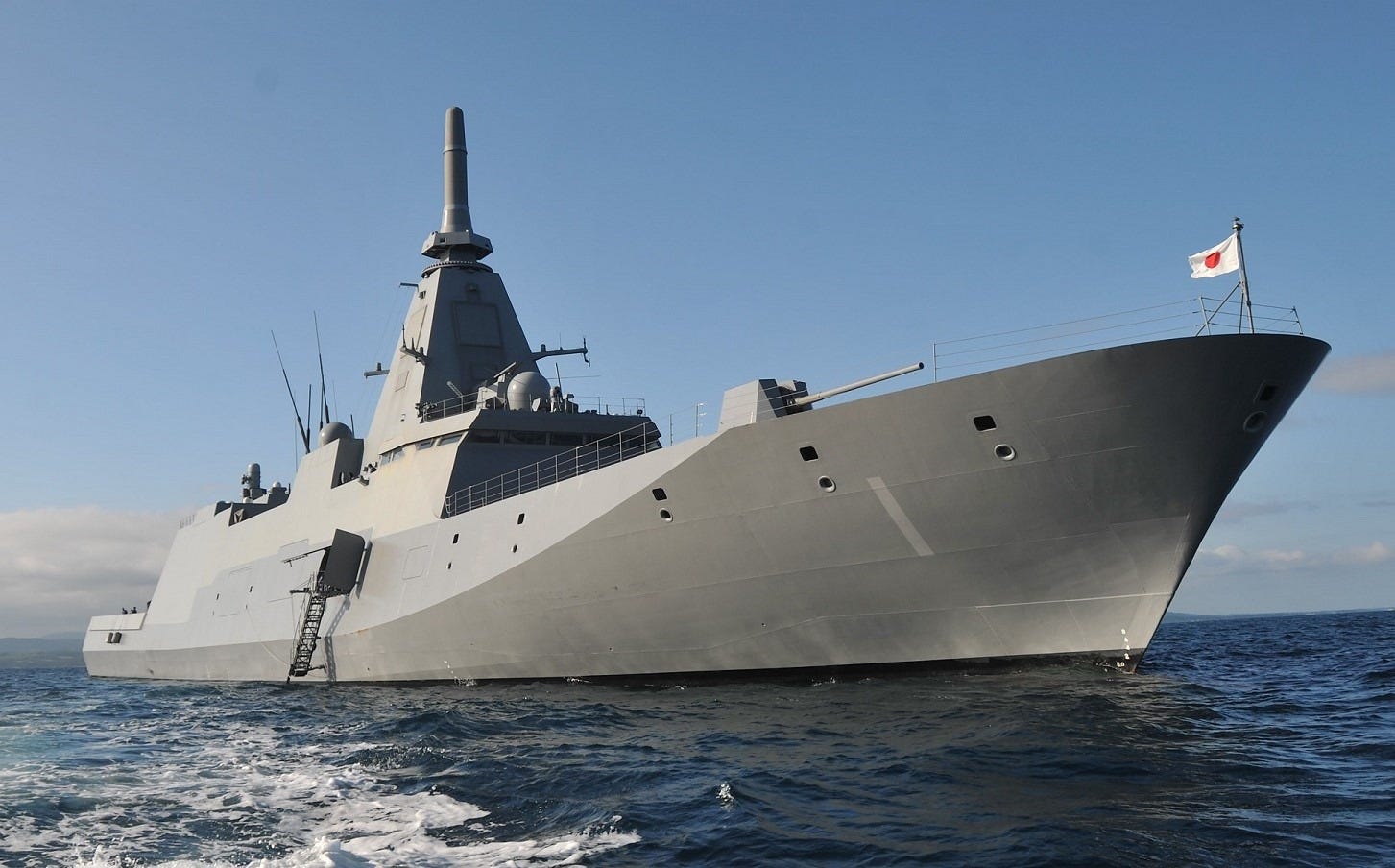
Australia’s decision to procure eleven Mogami-class frigates from Japan marks a major milestone in Indo-Pacific defence cooperation and a turning point in Japan’s role as an exporter of advanced military equipment. The deal, valued at approximately 10 billion Australian dollars (6.5 billion U.S. dollars), is the largest overseas arms contract ever secured by Japan. It reflects not only growing strategic alignment between Canberra and Tokyo, but also the increasing diversification of global defence supply chains. The agreement is the result of a competitive evaluation process and confirms that the Japanese proposal—led by Mitsubishi Heavy Industries—was judged best able to meet the Royal Australian Navy’s requirements in terms of capability, cost, and delivery schedule. The selection also confirms that Tokyo’s defence industry, traditionally inward-looking and constrained by export controls, is now positioned as a credible actor on the global market.
South Korea Enhances Missile Defense with Deployment of Cheongung-II System
![Iraq will become the third international user of South Korean Cheongung-II air & missile defense system following UAE and Saudi Arabia [3000 x 2000] : r/MilitaryPorn](https://substackcdn.com/image/fetch/$s_!e4Gs!,f_auto,q_auto:good,fl_progressive:steep/https%3A%2F%2Fsubstack-post-media.s3.amazonaws.com%2Fpublic%2Fimages%2Fd1168037-0925-420a-9ac6-76dc4097e21a_3000x2000.jpeg "Iraq will become the third international user of South Korean Cheongung-II air & missile defense system following UAE and Saudi Arabia [3000 x 2000] : r/MilitaryPorn")
South Korea has taken a decisive step forward in reinforcing its national missile defence capabilities with the successful upgrade and initial deployment of the Cheongung-II air defence system. This development forms part of a broader strategy to create a multi-layered shield against North Korean missile threats and to assert greater technological autonomy in defence. The Cheongung-II, an advanced version of the existing Cheongung-I system, introduces the ability to intercept ballistic missiles in addition to conventional aerial threats, positioning itself as a core element of Seoul’s evolving “Korean Air and Missile Defense” architecture. This move enhances the country’s deterrence posture and demonstrates its capacity to indigenously develop systems comparable to foreign solutions, but at lower cost and with greater national control.
Company Profiles & Industrial Intelligence
Comand AI – Empowering Europe’s AI Command & Control in Defense
European battlefields are entering a new digital era, and France’s Comand AI is at the forefront of this shift. Born in the wake of Russia’s invasion of Ukraine, this Paris-based deep-tech startup is redefining how military commanders plan and direct operations. Its core idea is simple but powerful: leverage artificial intelligence to outthink and outpace potential adversaries, giving European forces a decisive edge. Comand AI’s software can crunch complex battlefield data and simulate tactics in seconds – tasks that used to take staff officers many hours. By fusing Silicon Valley-grade AI talent with hard-won military experience, the company promises to “supercharge human capabilities” in command centers rather than replace them. The result is a next-generation command-and-control platform that can craft battle plans faster and more precisely than ever before. In an era when conflict has returned to Europe and defense spending is surging, Comand AI has attracted notable investment and attention as a potential strategic asset. Could this young French company become one of Europe’s secret weapons for technological sovereignty and enhanced deterrence? The following report analyzes Comand AI through the lens of European strategic autonomy and defense innovation.
Officina Stellare: Strategic-Technological Analysis for European Autonomy
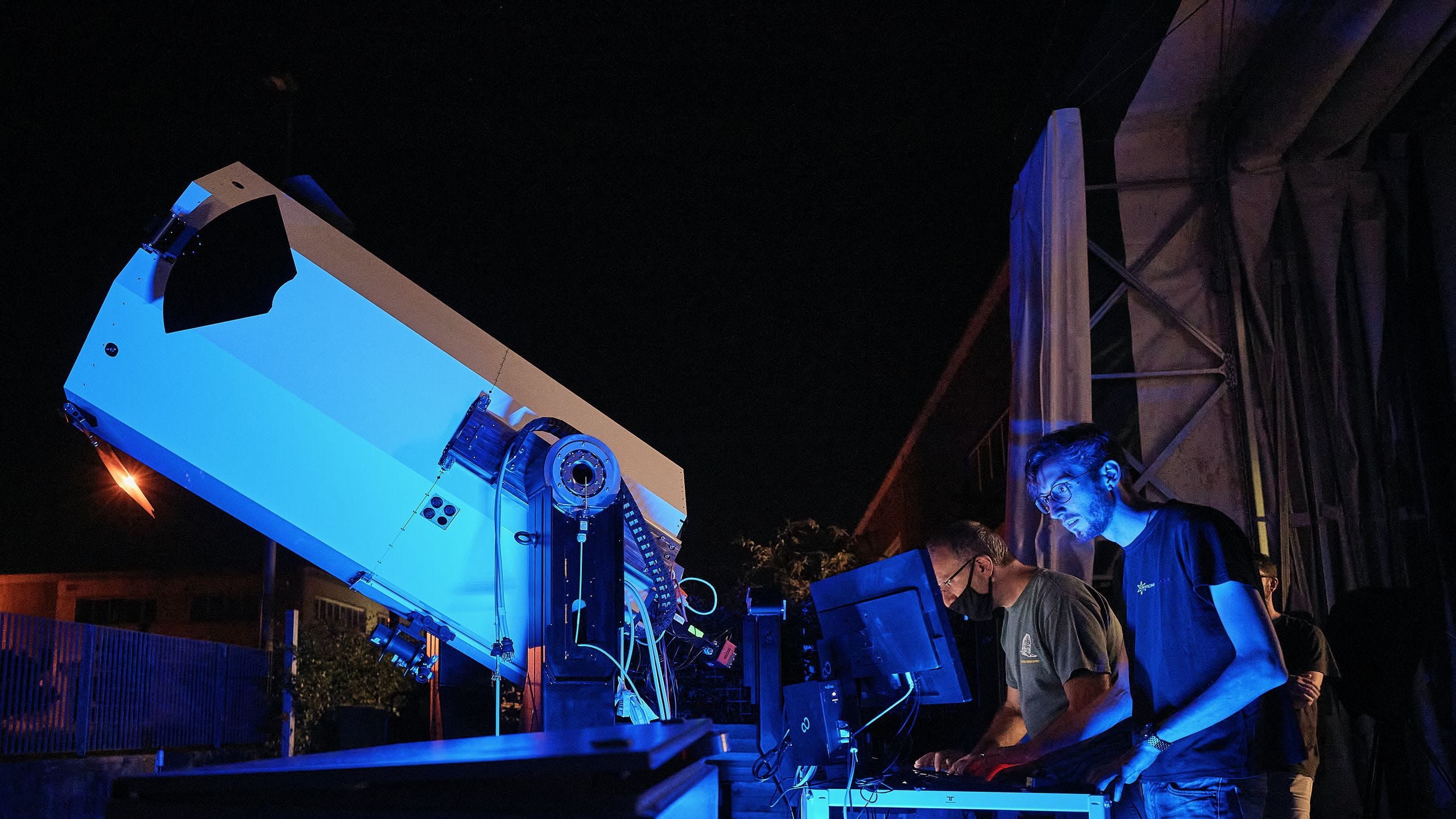
Officina Stellare is not a household name, but this Italian high-tech company has quietly become a linchpin in Europe’s drive for space and defense autonomy. Founded in 2009 and headquartered in Sarcedo (Vicenza), Italy, Officina Stellare specializes in sophisticated optical and aerospace systems. In less than two decades it has evolved from a niche telescope maker into a globally recognized innovator supplying cutting-edge opto-mechanical instruments for satellites, observatories, and defense programs. Officina Stellare’s telescopes and optical stations are deployed from mountaintops to orbit, enabling applications from Earth observation and quantum-secure communications to missile tracking. Crucially, this growing “space factory” is European-owned and -operated, which means its technology directly bolsters EU self-reliance in strategic domains. By delivering world-class optics entirely developed in-house, Officina Stellare is helping Europe reduce dependence on foreign suppliers. Its rise exemplifies how a specialized SME can leverage innovation to enhance Europe’s strategic autonomy – a story that promises to intrigue anyone interested in the future of European defense and space prowess.
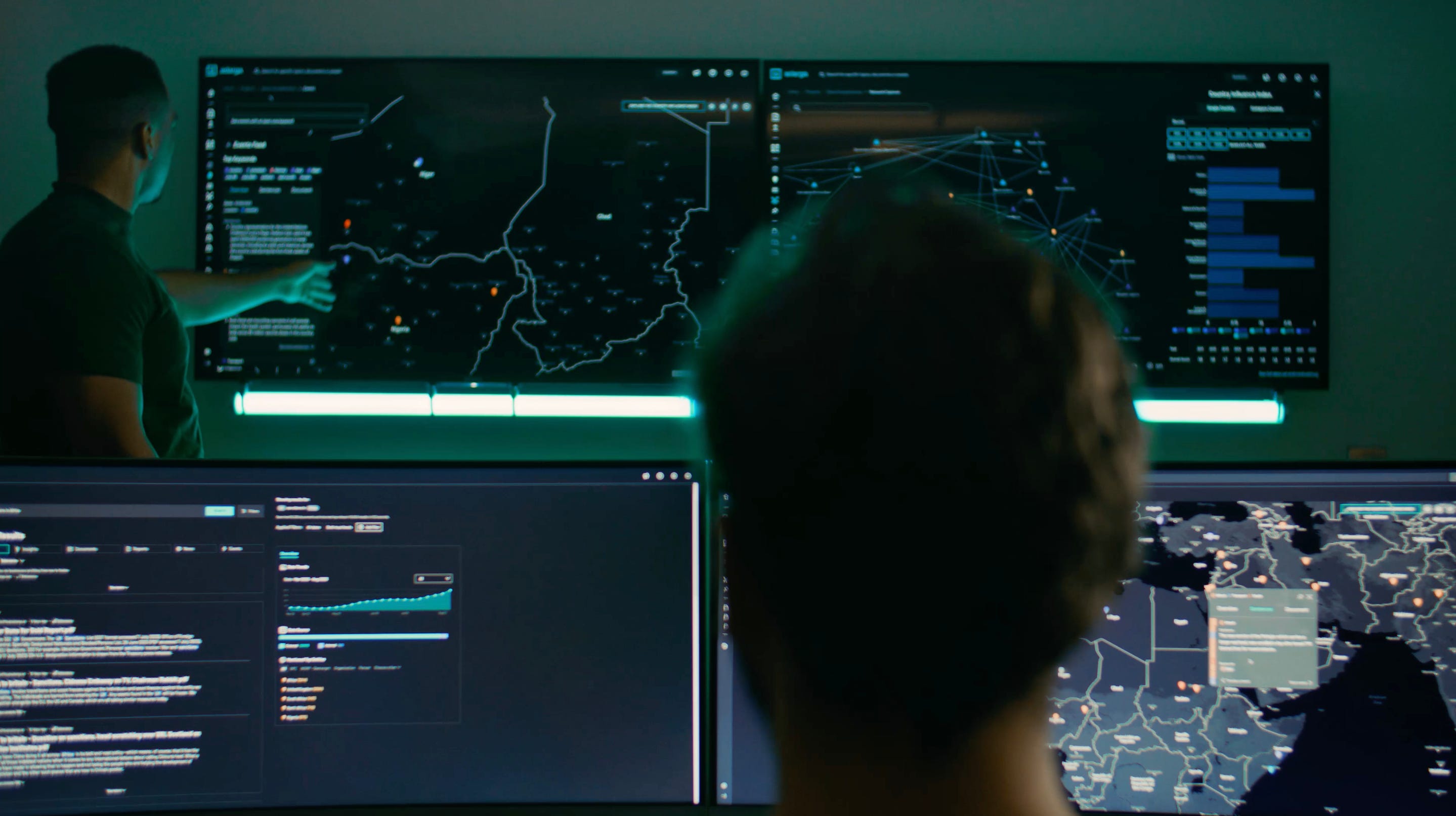
DFM Strategic-Technological Analysis: Adarga (UK)
In an era when information has become as decisive as ammunition, a British AI company is quietly redefining how militaries and governments harness data. Adarga Ltd, headquartered in London, has emerged as a leading developer of artificial intelligence software for defense and national security organizations. Its flagship platform, Adarga Vantage, can sift through mountains of intelligence reports and open-source data at lightning speed – performing in hours analyses that might otherwise take human analysts weeks. One military user described it as “like having the power of 200 researchers at your fingertips,” dramatically boosting the speed and robustness of decision-making. Founded in 2016 by former British Army officer Rob Bassett Cross to address the “exponential growth in information” overwhelming analysts, Adarga has since become a trusted AI partner to the UK Ministry of Defence (MoD) and allied institutions. It has secured multimillion-pound contracts with the MoD to deploy its cutting-edge analytics across defense operations, and its technology is already helping identify threats – from supply-chain vulnerabilities to extremist networks – faster and more comprehensively than traditional tools. As Europe pursues greater strategic autonomy in critical technologies, Adarga’s meteoric rise illustrates the continent’s drive to develop sovereign capabilities in artificial intelligence. The company straddles a unique position: deeply embedded in the UK and NATO defense ecosystem while aligning with broader European objectives of technological self-reliance and enhanced collective security. This report delves into Adarga’s strategic-technological profile – how its AI innovations reinforce European defense priorities, bolster deterrence, and reduce reliance on non-allied suppliers – offering a case study in the evolving landscape of Europe’s defense tech sovereignty.

Delian Alliance Industries – Strategic-Technological Analysis for European Defence Autonomy
Delian Alliance Industries is an emerging force in Europe’s defence tech landscape, developing cutting-edge autonomous systems that promise to reshape how the continent secures itself. Headquartered in the United Kingdom with deep Hellenic roots, this venture-backed company has quickly gained attention for its bold mission: protect European nations and their allies through smarter, cheaper unmanned technologies. Founded in 2021 by a team of engineers and defence experts, Delian operates at the intersection of Silicon Valley innovation and European strategic necessity. Its early deployments – from AI-powered border surveillance towers to stealthy robotic “firefighters” – hint at a portfolio both futuristic and practical. In an era of drone swarms and hybrid threats, Delian’s story is one of a startup striving to become a new kind of defence prime contractor. The following analysis explores how this young company aligns with Europe’s strategic autonomy goals and what it means for NATO interoperability, deterrence, and the reduction of reliance on non-allied suppliers.