

Defence Finance Monitor is a specialised source of analysis for professionals who seek to anticipate how strategic priorities shape investment patterns in the defence sector. In a landscape shaped by high-stakes political choices and rapid technological shifts, understanding the link between military doctrine, operational requirements, and industrial policy is not a competitive edge—it is a prerequisite.
We analyse how strategic imperatives set by NATO, the European Union, allied Indo-Pacific democracies, and national Ministries of Defence translate into procurement programmes, innovation roadmaps, and long-term industrial priorities. Rather than listing individual companies, we track how clearly defined strategic challenges—such as deterrence gaps, technological dependencies, or capability shortfalls—are converted into funding schemes and institutional demand. Only companies that respond to these challenges become relevant to institutional buyers and, by extension, to investors. This framework has already enabled a growing community of analysts and financial professionals to make more consistent, risk-aware decisions and to avoid costly misalignments.
Subscribing to Defence Finance Monitor means gaining access to a strategic intelligence service designed to support financial decisions in the defence sector. Our work is based on a clear method and principle: In today’s environment, there is no profitable investment without strategic understanding. Resources are limited. Knowing where public money is going—and why—makes the difference between reacting to the market and making informed decisions ahead of time.
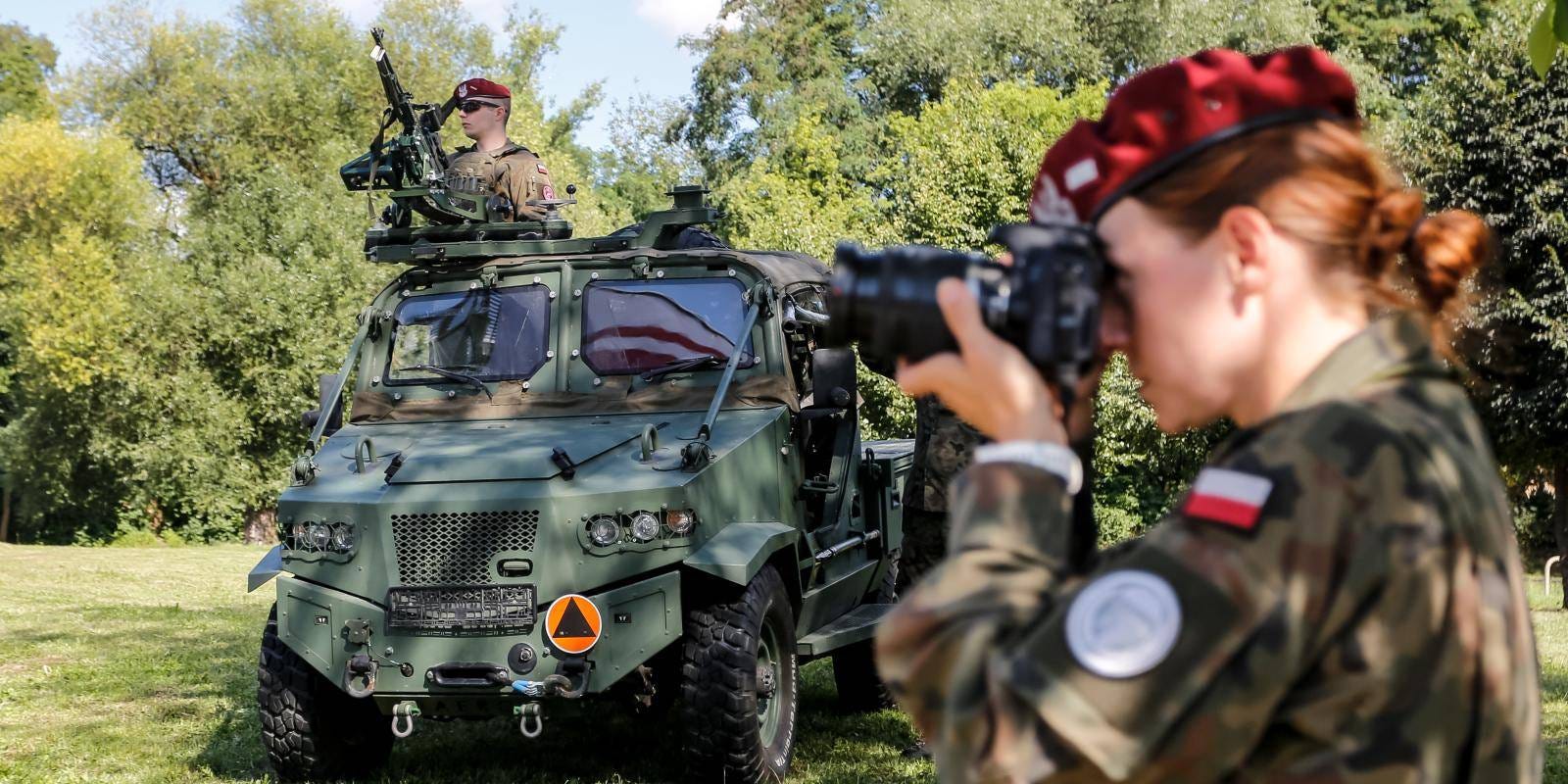
Poland Secures U.S. Loan Guarantee to Accelerate Defence Modernization
Poland continues to assert itself as NATO’s frontline power by pursuing one of the most aggressive military modernisation programmes in Europe. In response to the shifting strategic environment caused by Russia’s invasion of Ukraine, Warsaw is not only increasing its defence budget but also expanding its military capabilities through direct partnerships with the United States. The latest development is a new $4 billion U.S. loan guarantee aimed at financing further arms acquisitions. This agreement complements the broader Polish strategy of military buildup, which has elevated the country to the top of NATO in terms of defence spending relative to GDP. At the same time, this deepened financial cooperation with Washington reflects Poland’s effort to bind its strategic future to U.S. security guarantees, particularly as the Eastern Flank becomes the geopolitical centre of gravity in the Atlantic alliance.

Spain Withdraws from F-35 Procurement, Reaffirms Commitment to European Defence Integration
Spain’s decision to cancel plans to acquire the U.S.-made F-35 fighter jet reflects a deliberate strategic reorientation toward European defence sovereignty. In the context of ongoing geopolitical instability and renewed debates over NATO burden-sharing, Madrid has chosen to prioritise programmes that reinforce Europe’s industrial and technological base. This move comes at a time when transatlantic relations are once again under strain following the return of Donald Trump to the U.S. presidency. While Washington has renewed pressure on NATO members to increase defence spending, Spain is opting to channel its investments into collaborative European platforms such as the Eurofighter and the Future Combat Air System (FCAS). The decision underscores Madrid’s strategic intent to consolidate its role within the EU’s defence architecture, while maintaining compliance with NATO obligations on its own terms.
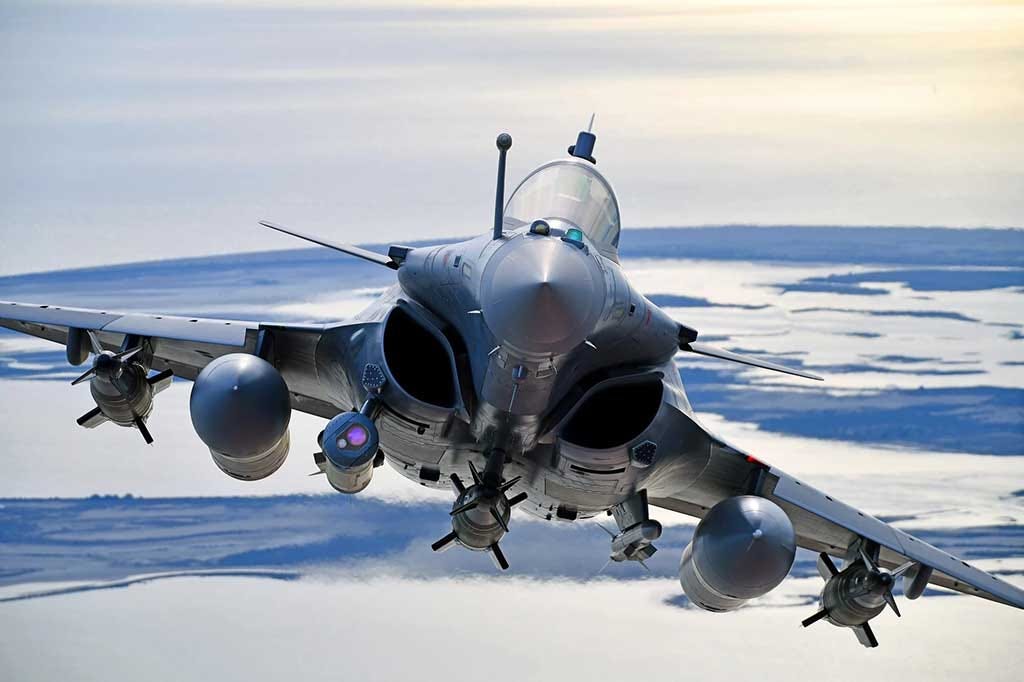
FCAS Dispute Highlights Structural Challenges in European Defense Cooperation
The Future Combat Air System (FCAS) project, conceived as Europe’s next-generation fighter jet, represents more than an industrial program: it is a test of the continent’s ability to cooperate strategically in high-end defense technologies. Envisioned to replace Rafale and Eurofighter aircraft starting in 2040, FCAS is intended to consolidate Europe’s air superiority capabilities, reduce transatlantic dependence, and serve as a symbol of political cohesion between France, Germany, and Spain. However, progress has been hampered by persistent disputes over industrial leadership, intellectual property rights, and national strategic visions. These disagreements expose deeper structural weaknesses in Europe's defense integration efforts, where national champions and legacy industrial ecosystems often outweigh common objectives. The ongoing tensions within the FCAS consortium raise fundamental questions about Europe's readiness to achieve strategic autonomy in defense, despite shared geopolitical goals.
Company Profiles & Industrial Intelligence

Strategic-Technological Analysis of Arondite AI
Arondite is a new kind of defence technology venture emerging from the United Kingdom, offering a software-driven approach to one of modern military’s hardest problems: connecting the growing array of autonomous drones, robots and sensors on the battlefield. Founded by former military and defence engineering experts, Arondite is building a unifying AI platform that can link disparate unmanned systems and data feeds through a single intelligent interface. This “connective tissue” software enables human commanders to control multiple autonomous assets at once and gain real-time insights, without sacrificing safety or oversight. At a time when European militaries are racing to reduce reliance on foreign technologies and to coordinate complex multi-domain operations, Arondite’s solution is both timely and intriguing. By using artificial intelligence to fuse information from any sensor or robotic unit – regardless of manufacturer – the company promises to strengthen Europe’s strategic autonomy in defense. The following analysis will delve into how Arondite’s capabilities and strategy align with Europe’s priorities for technological sovereignty, enhanced deterrence, and allied interoperability in the autonomous age.
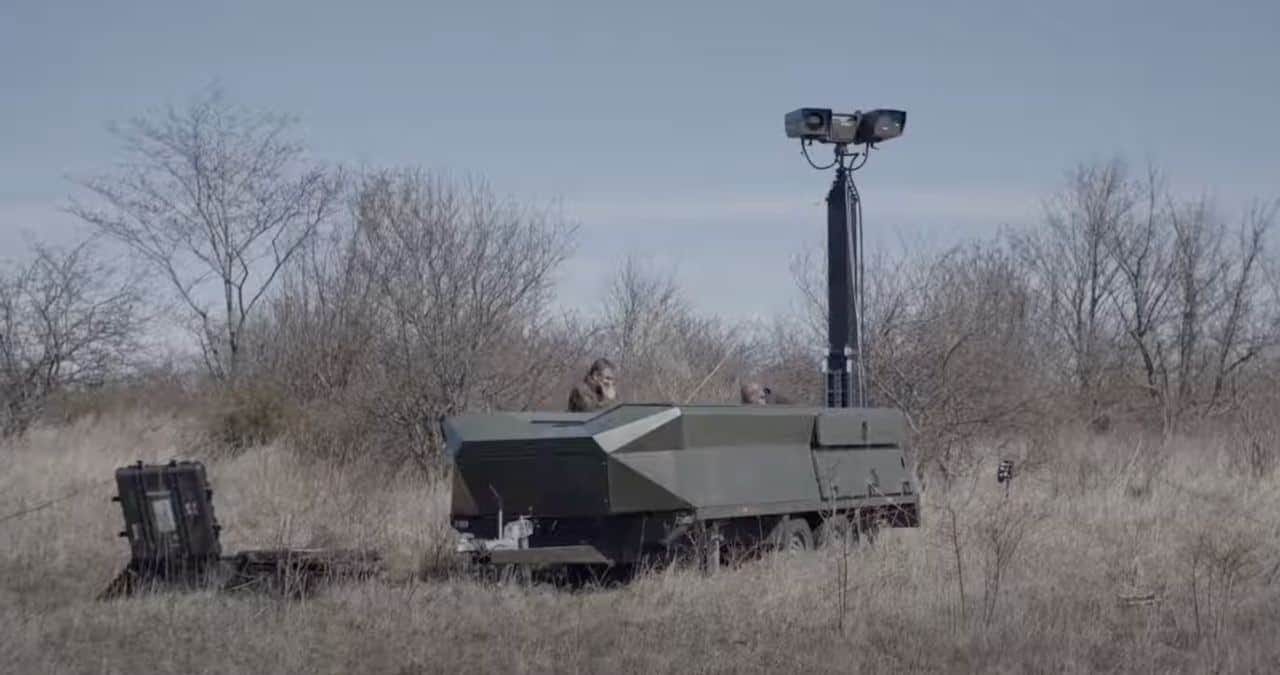
DefSecIntel (Estonia) – Strategic-Technological Analysis
In a rapidly evolving security landscape, DefSecIntel has emerged as one of Europe’s most dynamic defense technology innovators. Founded in Estonia – a nation renowned for digital prowess – this company develops AI-powered surveillance and counter-drone systems that are already proving their worth on the front lines. DefSecIntel’s combat-tested platforms, from autonomous surveillance towers to drone interception solutions, are shaping the future of border security and battlefield intelligence. The war in Ukraine has highlighted the demand for exactly the capabilities DefSecIntel offers: agile situational awareness, automated threat detection, and robust counter-UAV defenses. With a passionate team and roots in Estonia’s thriving startup culture, the firm has attracted international recognition for its cutting-edge approach. From winning innovation awards to partnering with established industry leaders, DefSecIntel is positioning itself as a critical enabler of European defense autonomy, aiming to safeguard Europe’s borders and enhance NATO-aligned deterrence with home-grown technology. It’s a story of a young company punching above its weight – and potentially transforming how Europe secures its freedom.

Dencrypt: Strategic-Technological Analysis
Industrial espionage and cyber threats are surging across Europe – a reality underscored by Danish authorities who rate cyber-espionage risks as “very high” amid international tensions. In this climate, a Danish deep-tech company is quietly reshaping secure communications for European defense and government. Dencrypt A/S, headquartered in Denmark, has pioneered a “dynamic encryption” solution that’s drawing attention from NATO and EU security circles. Its technology – born from university cryptography research – promises unbreakable mobile communications without cumbersome hardware, allowing officials and soldiers to speak in complete confidence on ordinary smartphones. Backed by classified certifications and adoption by national defense clients, Dencrypt exemplifies the kind of home-grown innovation Europe craves to reduce reliance on foreign suppliers. This introduction explores Dencrypt’s story and strategic significance, setting the stage for a full analysis of how this Danish company is bolstering European strategic autonomy in secure communications.
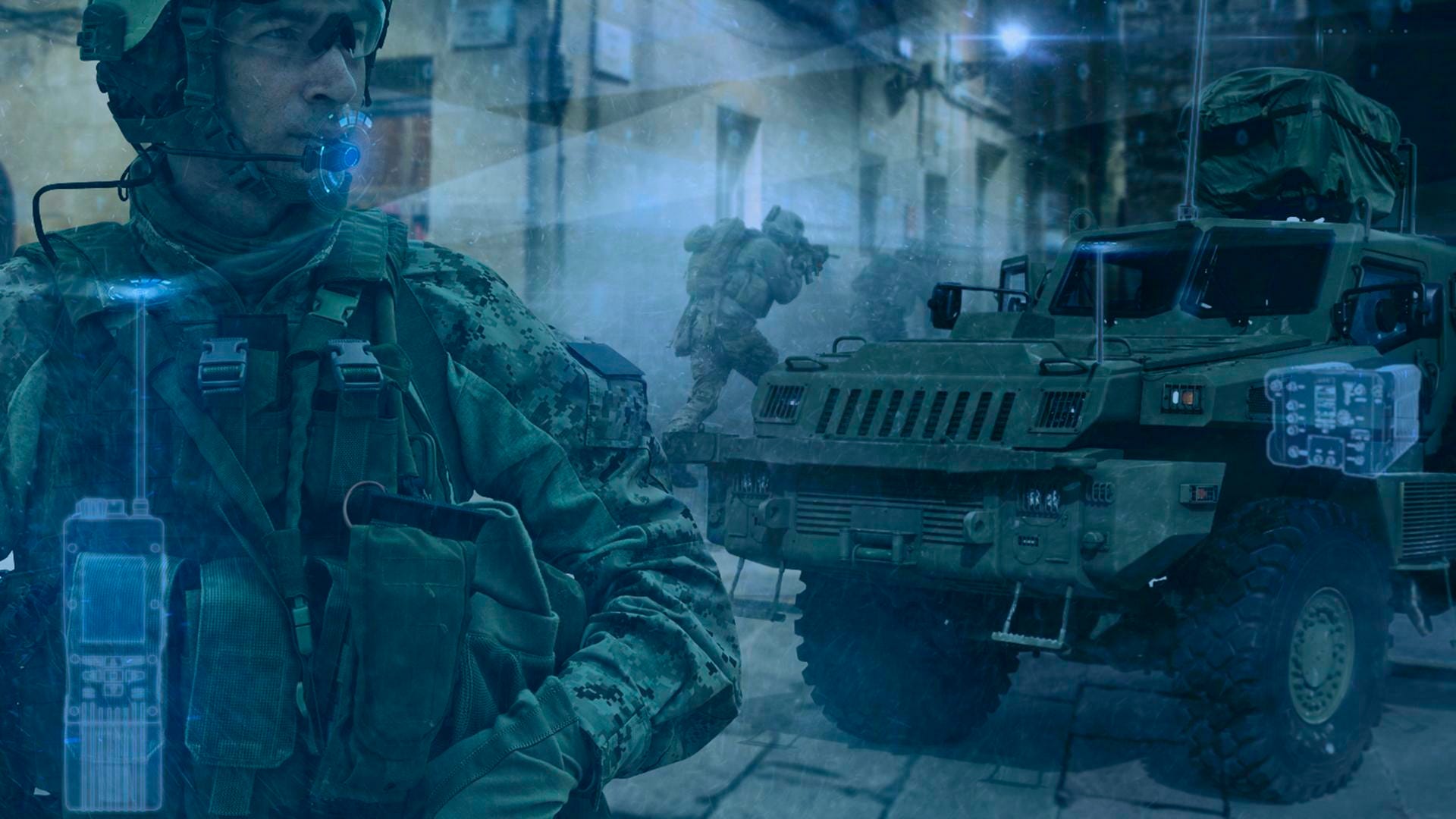
Bittium – Strategic-Technological Analysis (Finland)
Bittium is a Finnish defense and high-tech company quietly emerging as a linchpin in Europe’s quest for technological sovereignty. Founded in the wireless boom of the 1980s and headquartered in Oulu, Bittium has reinvented itself from its origins as Elektrobit into a specialist provider of ultra-secure communications devices and networks. Today, its products range from military-grade tactical radios and encrypted smartphones to medical remote monitoring devices – a diverse portfolio unified by one theme: trusted connectivity. In an era when European nations seek to reduce reliance on foreign (especially Chinese and U.S.) suppliers, Bittium offers “connectivity to be trusted”. The company’s niche expertise in secure, resilient communications has made it a valued partner in EU defense programs and a contributor to NATO’s interoperability goals. Bittium’s story exemplifies how a mid-sized European firm can leverage deep engineering know-how and strategic collaboration to strengthen Europe’s defense technological and industrial base. It is precisely the kind of company that intrigues defense planners and industry analysts – a home-grown innovator playing an outsized role in Europe’s security architecture.

Pensana (UK) – Strategic-Technological Analysis
Europe’s green energy and defense ambitions hinge on obscure metals most people never think about – the rare earth elements tucked inside electric motors, wind turbines, and guided missiles. Today, China controls about 90% of the world’s rare earth refining capacity, making it the linchpin of global supply chains for clean energy and advanced defense technologies. This near-monopoly leaves Europe in a precarious position: its electric vehicle factories, wind farms, and even fighter jets depend on materials from a single, potentially unreliable source. Into this breach steps Pensana Plc, a UK-based company with bold plans to build one of the world’s first independent rare earth supply chains outside China. Pensana’s refinery project on England’s Humber estuary promises to process Neodymium and Praseodymium – key “magnet metals” – on European soil for the first time, breaking a strategic bottleneck. Backed by government support and allied partnerships, the company aims to transform Europe’s vulnerability into strength. Pensana’s story is more than a mining venture; it encapsulates Europe’s drive for strategic autonomy in an era of geopolitical uncertainty. Whether this upstart can deliver a secure stream of critical materials may well shape Europe’s technological future.