

Defence Finance Monitor is a specialised source of analysis for professionals who seek to anticipate how strategic priorities shape investment patterns in the defence sector. In a landscape shaped by high-stakes political choices and rapid technological shifts, understanding the link between military doctrine, operational requirements, and industrial policy is not a competitive edge—it is a prerequisite.
We analyse how strategic imperatives set by NATO, the European Union, allied Indo-Pacific democracies, and national Ministries of Defence translate into procurement programmes, innovation roadmaps, and long-term industrial priorities. Rather than listing individual companies, we track how clearly defined strategic challenges—such as deterrence gaps, technological dependencies, or capability shortfalls—are converted into funding schemes and institutional demand. Only companies that respond to these challenges become relevant to institutional buyers and, by extension, to investors. This framework has already enabled a growing community of analysts and financial professionals to make more consistent, risk-aware decisions and to avoid costly misalignments.
Subscribing to Defence Finance Monitor means gaining access to a strategic intelligence service designed to support financial decisions in the defence sector. Our work is based on a clear method and principle: In today’s environment, there is no profitable investment without strategic understanding. Resources are limited. Knowing where public money is going—and why—makes the difference between reacting to the market and making informed decisions ahead of time.
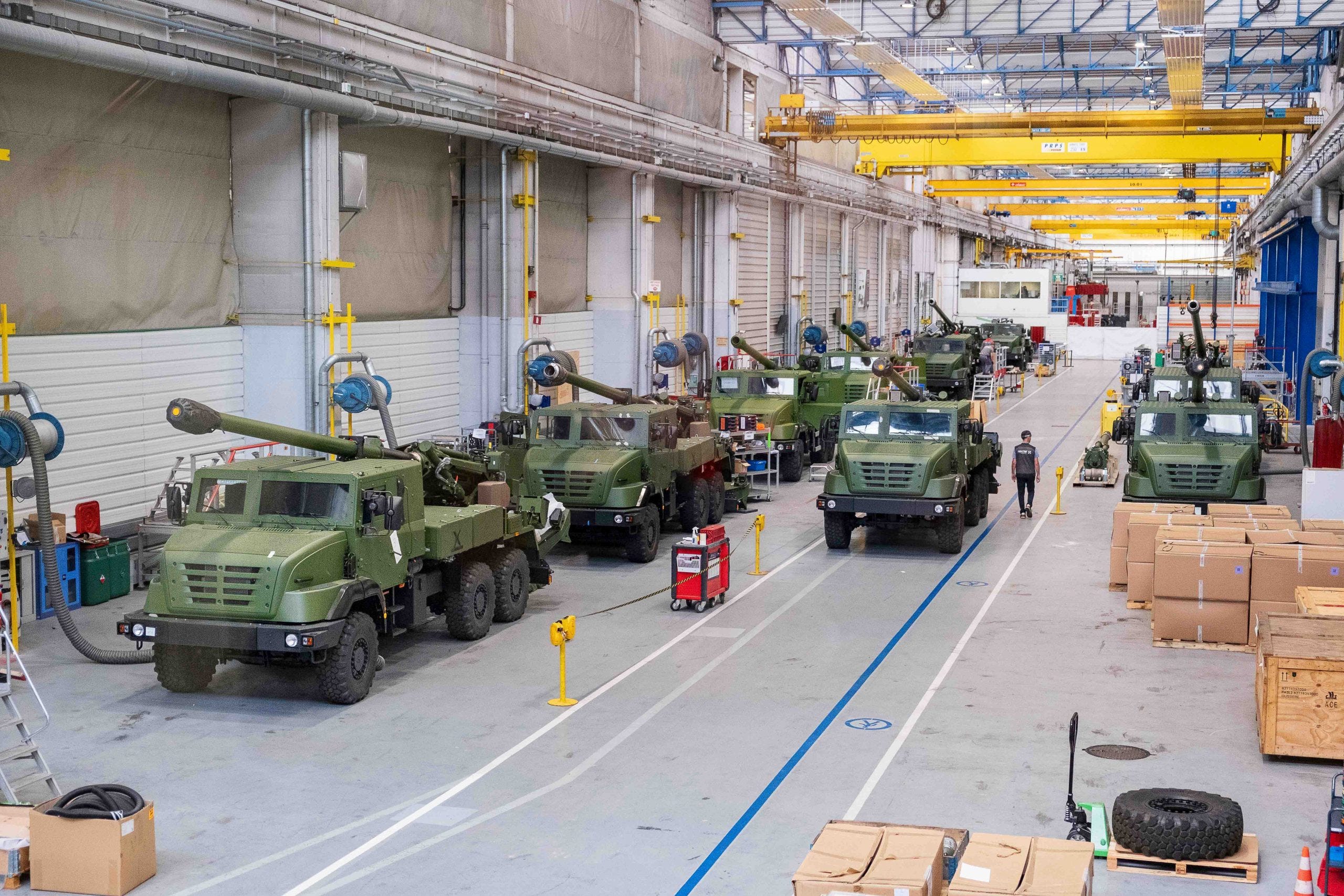
Industrial Conversion from Civilian to Military in Europe
Europe is witnessing a profound reorientation of its industrial base in response to an altered geopolitical landscape. The full-scale invasion of Ukraine in 2022 and the ensuing security crisis have jolted European policymakers and industries into reassessing the once-sharp boundary between civilian and military production. After decades of prioritizing civilian markets and relying on external security guarantees, European nations are now striving to bolster their defence technological and industrial base (EDTIB). This has led to a surge of industrial conversion from civilian to military production, as companies across various sectors pivot to meet burgeoning defence needs. The phenomenon spans from automotive firms repurposing factories for armored vehicles to high-tech startups adapting civilian innovations (like autonomous systems and AI) for military use, all contributing to a nascent “war economy” in Europe. The goal of this report is to systematically map and analyze this conversion trend—covering the sectors involved, key corporate case studies, workforce implications, geographic distribution, and strategic ramifications for Europe’s autonomy and security. The analysis adopts a neutral, evidence-driven tone suitable for policy makers, industry analysts, and institutional stakeholders.
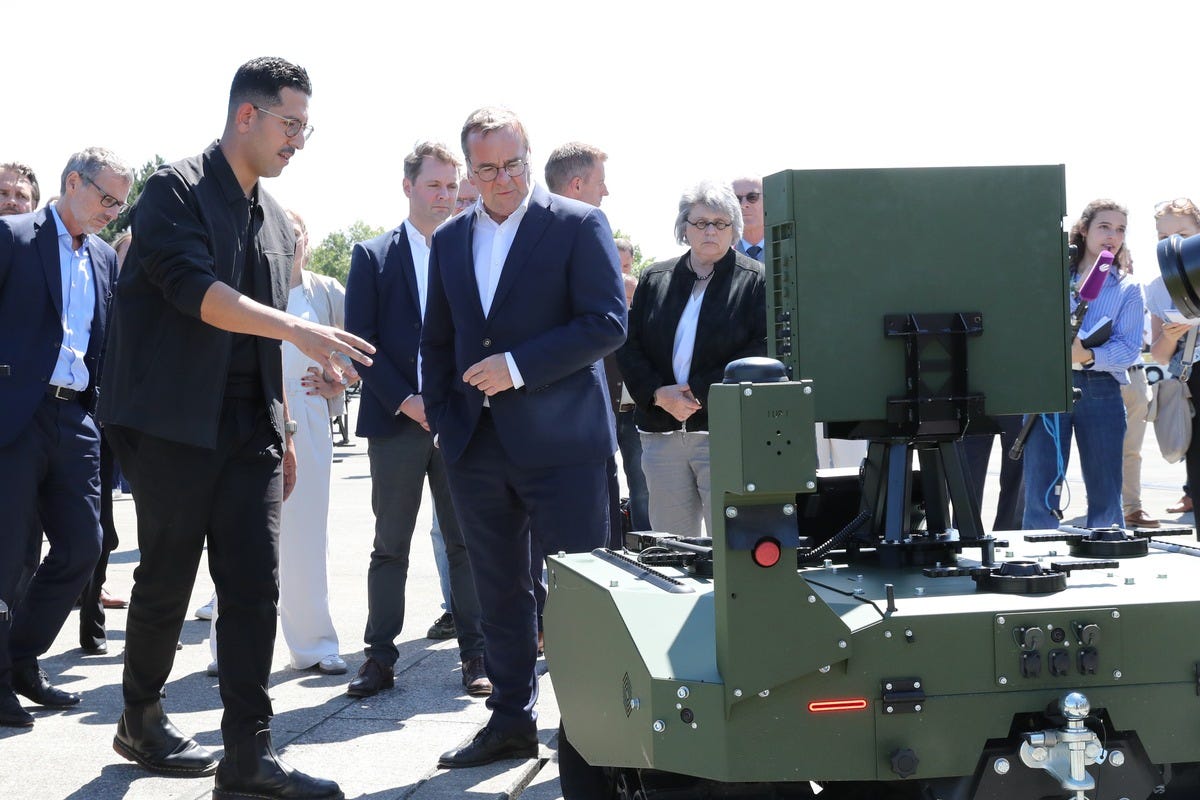
Erding and the Future of German Defense Innovation
The transformation of modern warfare increasingly relies on the integration of autonomous systems, artificial intelligence, and rapid-response technological infrastructures. As the nature of conflict evolves, national defense strategies are shifting towards platforms that prioritize speed, flexibility, and precision over mass and attrition. This shift is not merely technological, but structural: it redefines how states conceive deterrence, operational dominance, and military preparedness. In this context, innovation hubs are not peripheral experiments but central components of strategic planning. Germany’s evolving defense posture now hinges on its capacity to convert research and industrial knowledge into battlefield-ready systems. The announcement that Erding will become a key center of military innovation marks a pivotal moment in Germany’s defense modernization effort, signaling an institutional pivot from legacy systems to emerging technologies with dual-use potential.
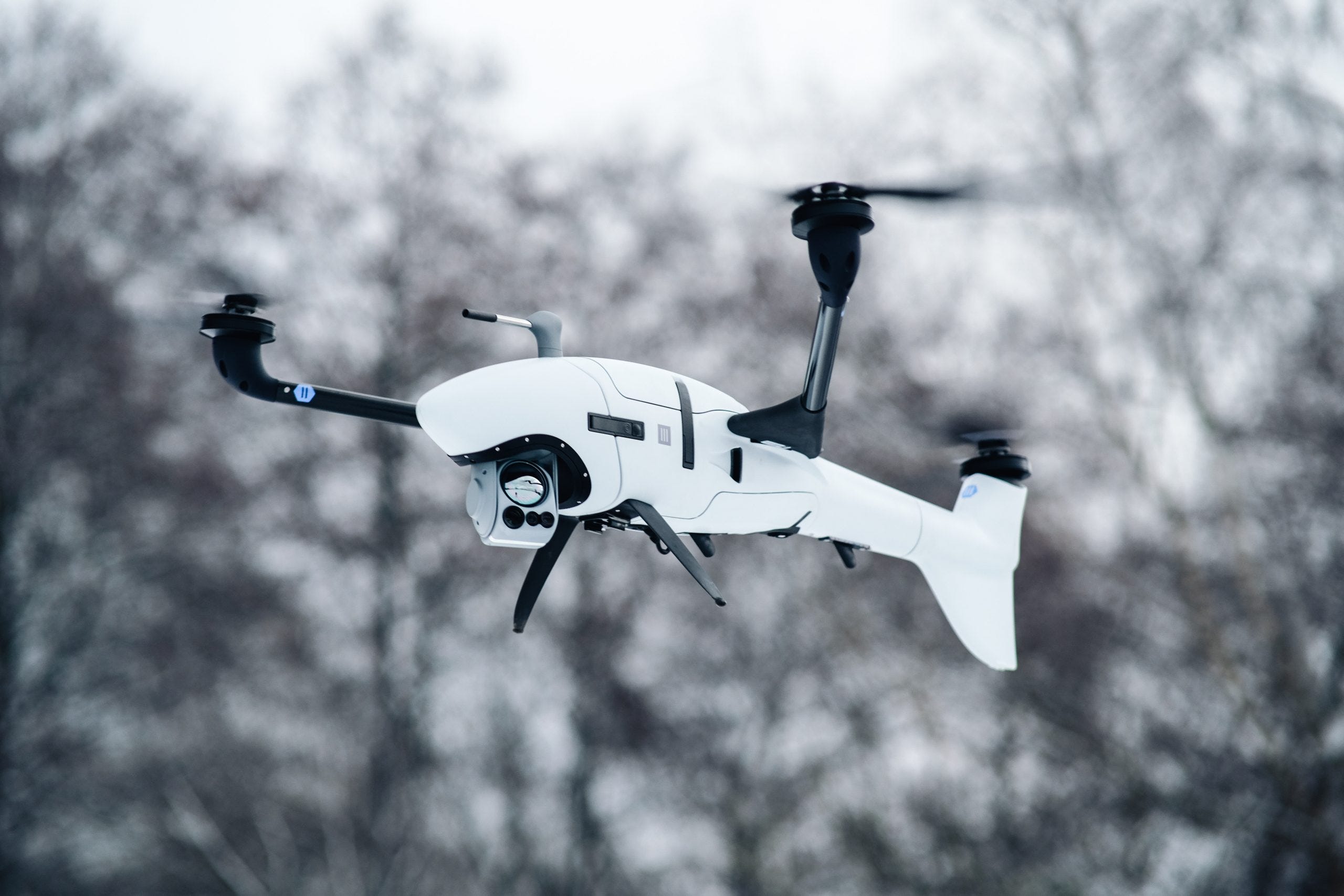
Quantum-Systems: Advancing Europe’s Autonomous Aerial Intelligence
In an era of rapidly evolving security threats and technological competition, Germany’s Quantum-Systems has emerged as a standout in Europe’s push for defense innovation. Founded in 2015 near Munich, this once-small startup is now developing high-end autonomous drones and intelligence systems that are catching the attention of armies and investors alike. Quantum-Systems builds unmanned aerial vehicles (UAVs) that combine vertical takeoff agility with fixed-wing endurance – an approach that promises to free European forces from reliance on foreign drone suppliers. The company’s combat-proven drones are already in frontline service, from monitoring NATO’s eastern flank to supporting Ukraine’s defense. By partnering with European primes like Airbus and integrating cutting-edge AI and networking, Quantum-Systems is helping create a “made in Europe” ecosystem of unmanned systems. This strategic-technological analysis explores how Quantum-Systems is contributing to European strategic autonomy, bolstering NATO capabilities, and reducing dependence on untrusted suppliers – positioning itself as a critical asset in Europe’s defense tech landscape.
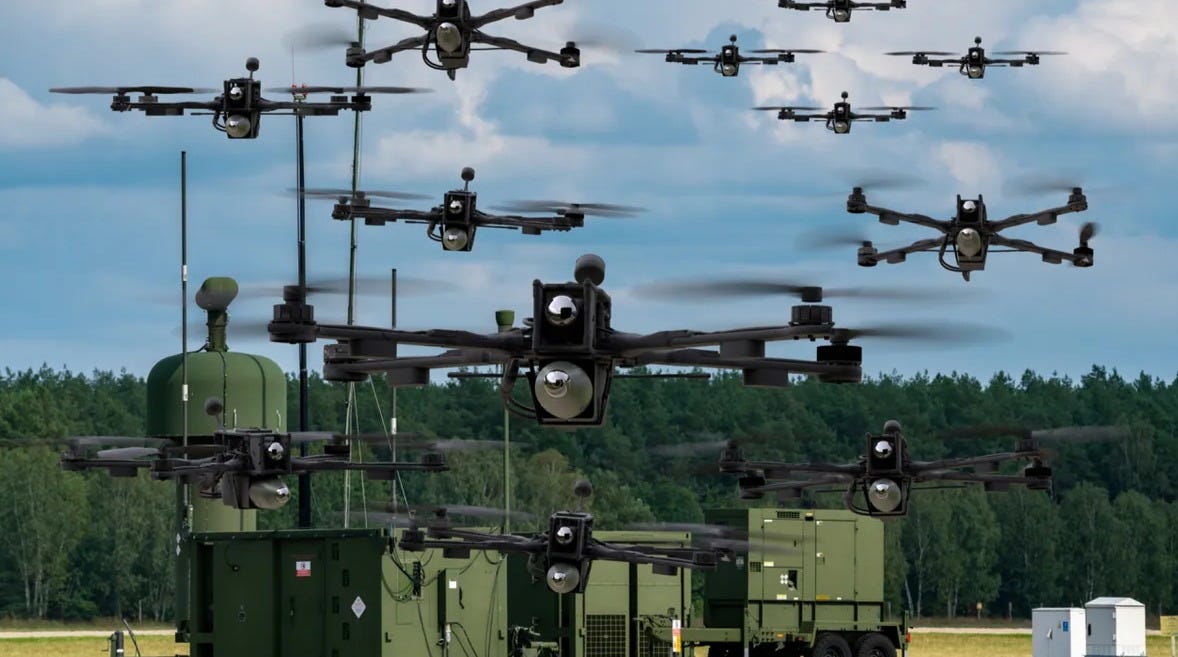
Strategic Surge: The Rise of Germany’s Defense Startups
In recent years, Germany has witnessed an unprecedented shift in its defense landscape: a surge in investment flowing into military and dual-use technology startups. In an international context shaped by emerging threats, geopolitical tensions, and rapid technological advancement, defense innovation has returned to the center of strategic and political attention. For a country traditionally cautious in military matters, this wave of funding signals a paradigm shift. Until now, Germany’s defense industry was dominated by large legacy firms operating within tightly regulated budgets. Today, a new generation of high-tech entrepreneurs is emerging with disruptive ideas. This transformation is giving rise to a dynamic and innovative defense startup ecosystem, offering solutions that aim not only to close capability gaps but to redefine Europe’s strategic posture for the future.