

Defence Finance Monitor is a specialised source of analysis for professionals who seek to anticipate how strategic priorities shape investment patterns in the defence sector. In a landscape shaped by high-stakes political choices and rapid technological shifts, understanding the link between military doctrine, operational requirements, and industrial policy is not a competitive edge—it is a prerequisite.
We analyse how strategic imperatives set by NATO, the European Union, allied Indo-Pacific democracies, and national Ministries of Defence translate into procurement programmes, innovation roadmaps, and long-term industrial priorities. Rather than listing individual companies, we track how clearly defined strategic challenges—such as deterrence gaps, technological dependencies, or capability shortfalls—are converted into funding schemes and institutional demand. Only companies that respond to these challenges become relevant to institutional buyers and, by extension, to investors. This framework has already enabled a growing community of analysts and financial professionals to make more consistent, risk-aware decisions and to avoid costly misalignments.
Subscribing to Defence Finance Monitor means gaining access to a strategic intelligence service designed to support financial decisions in the defence sector. Our work is based on a clear method and principle: In today’s environment, there is no profitable investment without strategic understanding. Resources are limited. Knowing where public money is going—and why—makes the difference between reacting to the market and making informed decisions ahead of time.
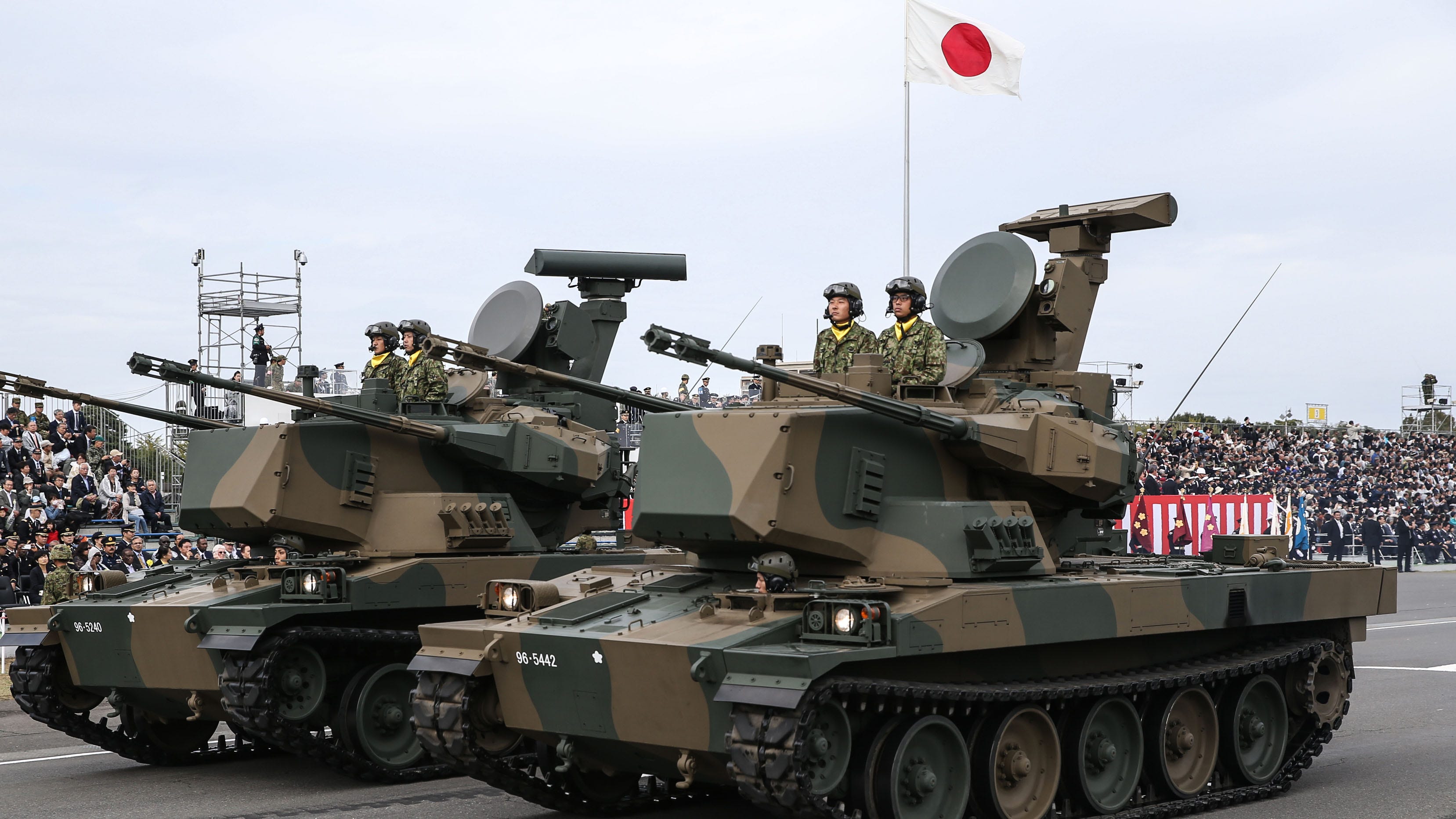
Defense of Japan 2025 – Industrial Policy, Procurement, and Technology Integration
This report provides a detailed examination of the Defense of Japan 2025 white paper, with particular attention to the country’s evolving defense industrial policy, procurement strategies, and the integration of emerging technologies into national defense planning. Drawing exclusively from the official publication of the Japanese Ministry of Defense, the analysis explores the full scope of institutional reforms, strategic investments, capability development programs, and legislative measures introduced or expanded in the 2025 document. The report considers how Japan is responding to a deteriorating regional security environment through a coordinated buildup of its domestic defense production base, deeper international defense cooperation, and the deployment of advanced technological solutions in areas such as cyber, space, and autonomous systems.
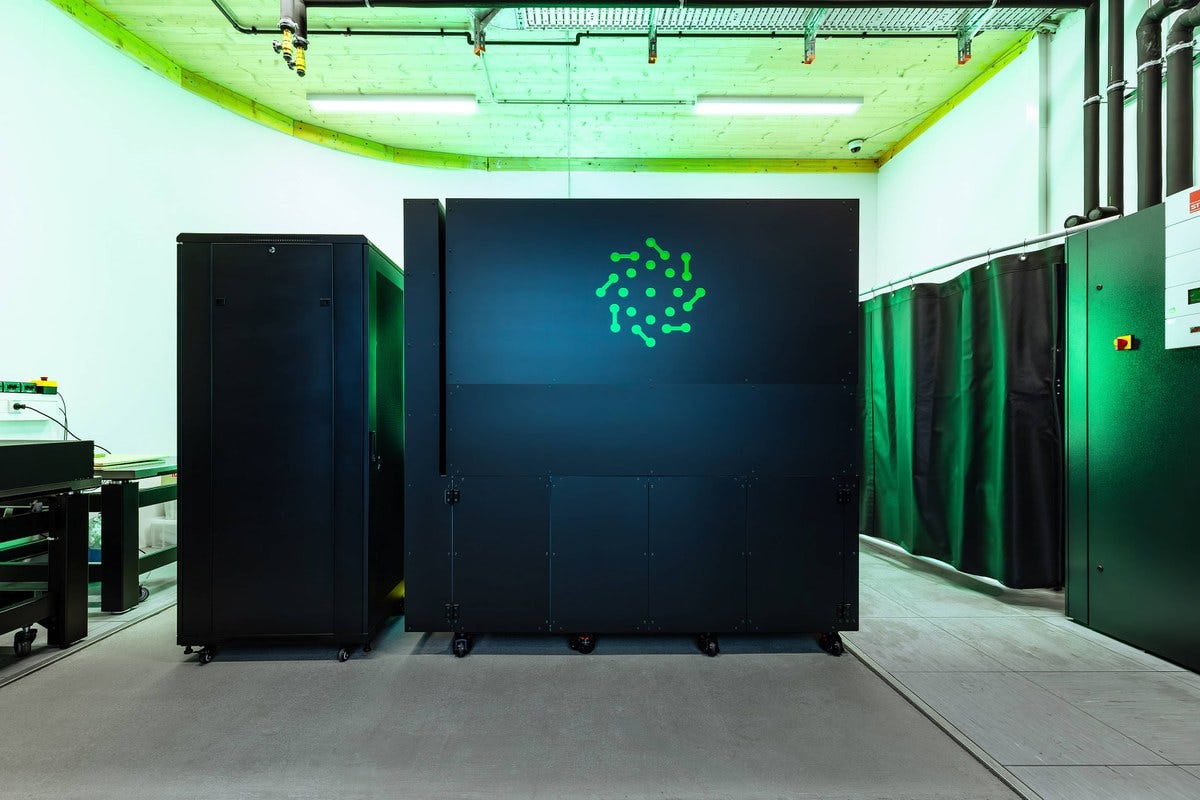
Pasqal – Strategic Technological Profile
Founded in 2019, Pasqal is a French deep-tech company at the forefront of Europe’s quantum computing revolution. It emerged from Nobel Prize-winning research in neutral-atom quantum technology, translating decades of French scientific excellence into cutting-edge computing solutions. Headquartered in the Paris-Saclay tech cluster, Pasqal builds quantum processors that manipulate individual atoms with lasers to perform powerful computations. This fast-growing startup has attracted substantial investment from European public and private sectors, positioning it as a key player in the EU’s quest for technological sovereignty. Pasqal’s systems are already being integrated into European supercomputing centers and cloud platforms, enabling hybrid classical-quantum applications for industry and defense. As Europe pushes to reduce dependency on foreign (U.S. or Chinese) providers in critical technologies, Pasqal offers an indigenous quantum computing capability with dual-use potential. Its innovations promise to bolster Europe’s strategic autonomy – from secure communications to military planning – making Pasqal a linchpin in next-generation defense tech and a company to watch for enhancing deterrence and resilience in NATO and EU frameworks.

Atlas Elektronik - Strategic Technological Profile
Atlas Elektronik is a century-old German marine electronics company that has transformed itself into a high-tech pillar of Europe’s naval defense sector. Headquartered in Bremen, Germany, this firm is renowned for cutting-edge undersea warfare systems – from sonars that probe the ocean depths to the heavyweight torpedoes carried by advanced submarines. Today, as a wholly owned subsidiary of Thyssenkrupp Marine Systems, Atlas Elektronik combines German engineering heritage with a global footprint. The company’s technologies equip numerous NATO-allied navies, making Atlas a linchpin in European maritime security. It has earned a reputation as a preferred supplier of sophisticated sensors and unmanned systems that keep Europe’s waters safe. Importantly, Atlas Elektronik’s story reflects Europe’s broader quest for strategic autonomy in defense technology. By delivering indigenous European alternatives for undersea surveillance and combat, Atlas helps reduce reliance on non-European suppliers. Its role in multinational projects – ranging from next-generation submarine combat systems to autonomous underwater vehicles – underlines how this company is enabling European navies to achieve greater self-reliance and interoperability. The following analysis delves into Atlas Elektronik’s strategic-technological profile, examining how its capabilities strengthen European deterrence, bolster NATO’s multi-domain operations, and diminish critical dependencies on foreign technologies.
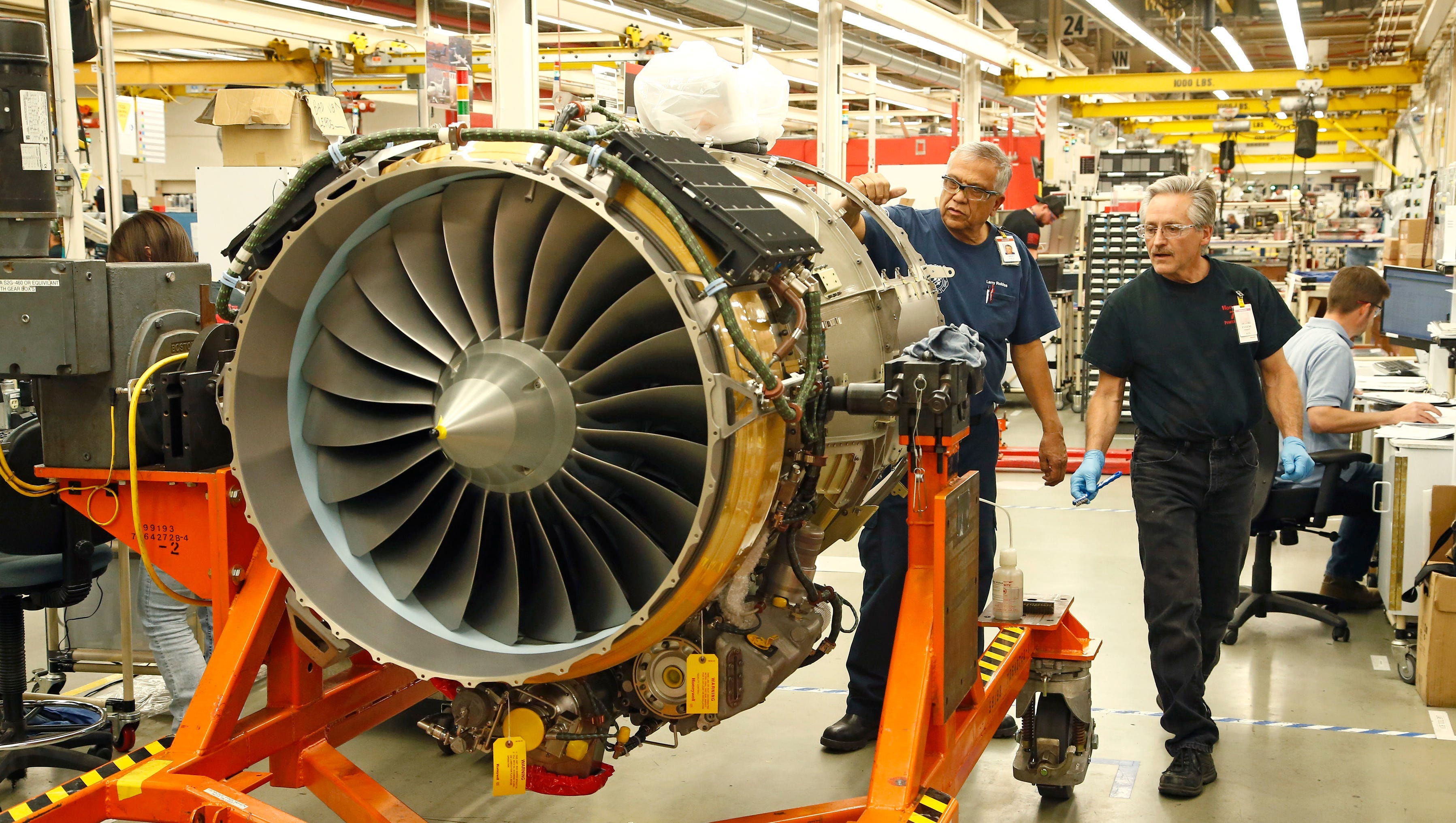
Honeywell’s Aerospace Growth Signals a Strategic Shift in Supply Chains and Defense Readiness
The persistent demand for aerospace components and maintenance services is reshaping the global defense-industrial landscape. As airlines and defense forces adapt to post-pandemic constraints and persistent supply bottlenecks, major industrial players with robust integration capabilities have gained strategic relevance. Honeywell’s recent upward revision of its 2025 forecasts underscores the resilience and adaptability of firms that bridge civilian and defense aviation. In an era of strained supply chains and aging fleets, the ability to ensure continuity in maintenance, avionics, and flight control systems is no longer a logistical detail but a core pillar of operational readiness. The intersection of commercial aviation needs with defense imperatives has turned aerospace suppliers into pivotal actors of strategic resilience, both for national security and industrial sovereignty.

Marlinspike Launches $70 Million Fund to Back AI‑Manufacturing Defense Startups
Marlinspike, a veteran‑led venture capital firm based in Arlington, has initiated a $70 million fund aimed at supporting early‑stage startups operating at the intersection of artificial intelligence and advanced manufacturing with direct application to defense and dual‑use markets. This initiative addresses a critical gap in the innovation ecosystem, where capital and expertise are essential to translate emerging technology into operationally relevant defense capabilities.

Dash Bio and the Strategic Promise of Defense-Relevant Laboratory Robotics
The integration of robotics and automation in laboratory environments is reshaping the biomedical sector, but its relevance increasingly extends into the defense domain. In high-stakes contexts such as biosecurity, force health protection, and rapid medical countermeasure deployment, the ability to automate laboratory processes with precision and speed is no longer merely a logistical advantage—it is a strategic imperative. Technologies originally developed for pharmaceutical testing are finding dual-use applications in military contexts, particularly in scenarios requiring rapid diagnostics, pathogen detection, or monitoring of soldier health in austere environments. The emergence of specialized robotics startups—capable of fusing AI, automation, and biochemical analysis—is therefore of growing interest not only to venture capital but also to institutions concerned with strategic readiness and resilience in biotechnology infrastructure.

Hadrian and the Strategic Imperative of Automated Defense Manufacturing
The transformative potential of automation in advanced manufacturing is emerging as a defining factor in national security and defense readiness. In contexts where geopolitical competition and supply‑chain fragility converge, the ability to rapidly produce mission‑critical components domestically is a strategic necessity. Companies like Hadrian are at the forefront of this shift, building factory platforms that combine robotics, AI, and precision engineering to deliver parts at scale. Their model addresses structural vulnerabilities in legacy industrial infrastructure and workforce limitations, making industrial resilience a matter of strategic urgency for defense stakeholders.