

Rearming Europe: Technological Sovereignty and Strategic Autonomy in the Age of AI
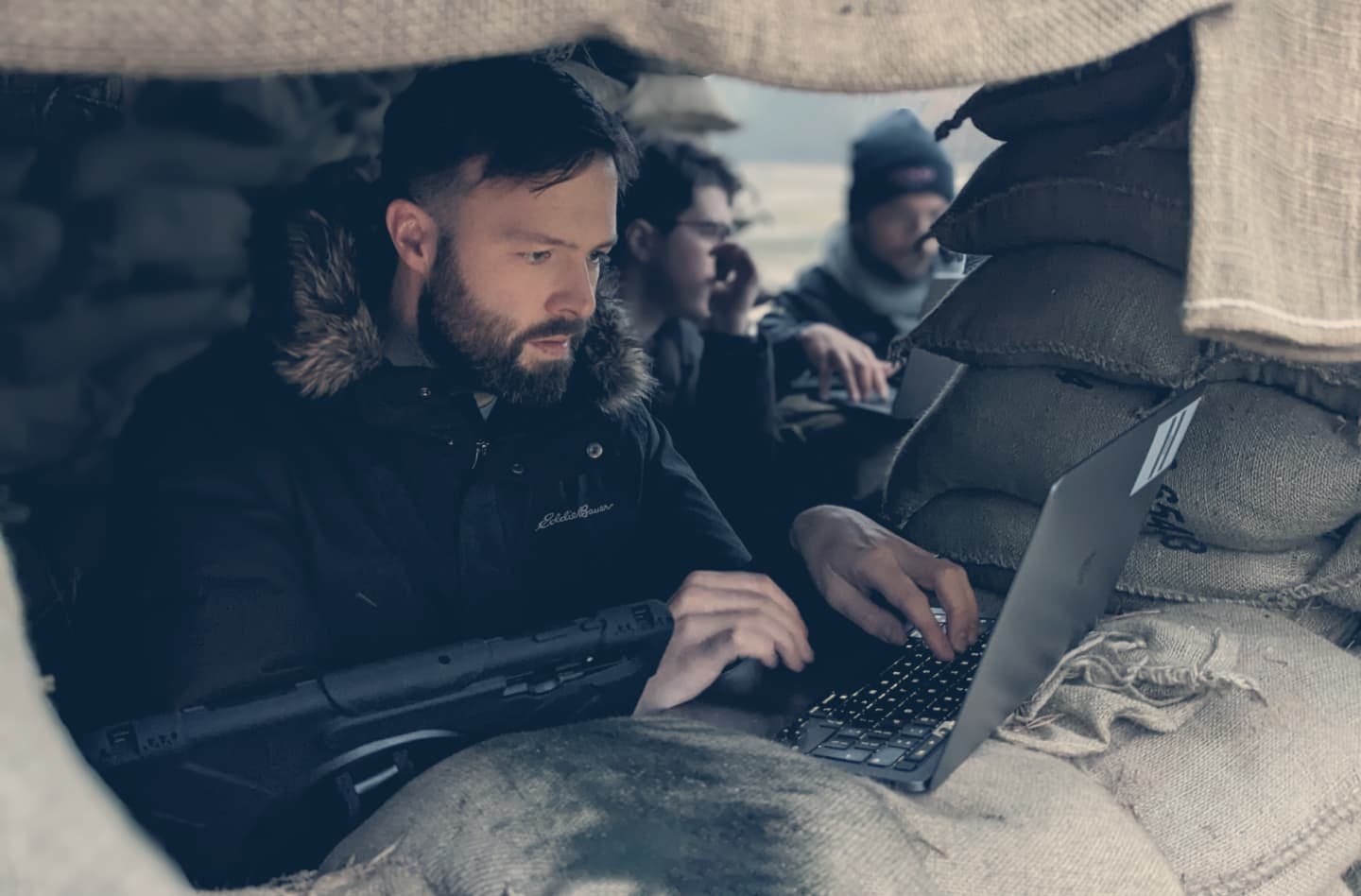
The war in Ukraine has catalyzed a profound transformation in European defense strategies, highlighting the critical role of advanced technologies such as artificial intelligence (AI), drones, and satellite data analysis. Companies like Helsing, Europe's leading defense tech startup, have been at the forefront of this shift, providing AI-driven solutions to enhance battlefield awareness and targeting capabilities. The conflict has underscored the necessity for Europe to invest in and develop indigenous defense technologies to ensure strategic autonomy and reduce reliance on external powers.
Europe Is Racing to Build Its Own Version of the U.S. Military-Industrial Complex
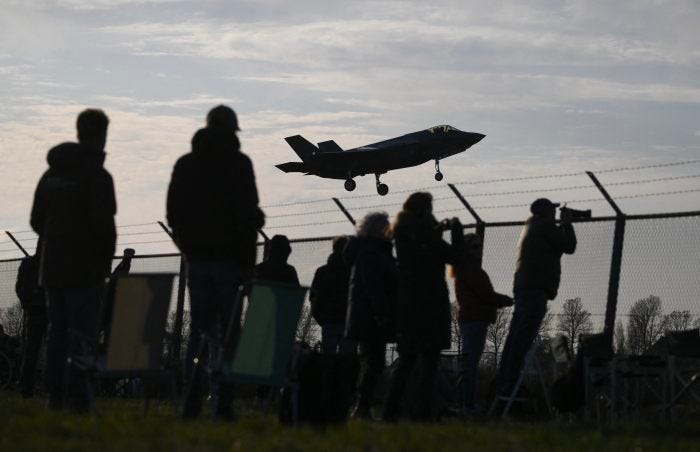
Europe is attempting to create a consolidated defense-industrial structure similar to that of the United States, motivated by geopolitical urgency and a sharp rise in military spending. Germany has requested EU approval to bypass fiscal rules on defense investment, aligning with a five-year rearmament plan. Estimates suggest NATO members may spend between €700 billion and €2 trillion more by 2030, yet much of this still flows to U.S. contractors. Brussels now aims for at least half of procurement to remain within Europe, but current fragmentation and limited production scale hinder this goal. Domestic suppliers, having suffered decades of underinvestment, remain niche and inefficient, while U.S. firms continue to dominate thanks to economies of scale and system integration.
The World’s Top Jet Fighter Is About to Get More Expensive
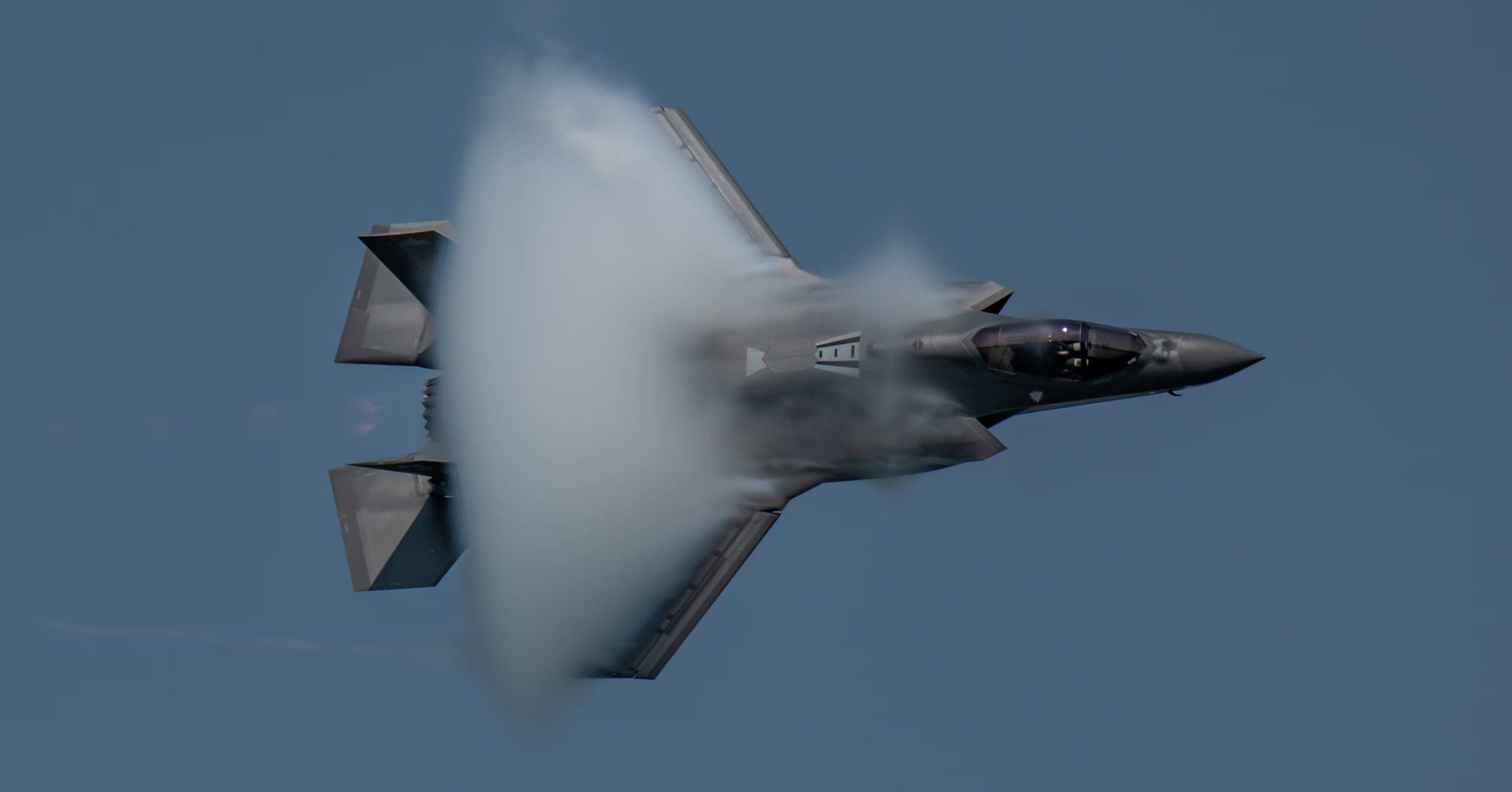
The F-35, manufactured by Lockheed Martin, has become a cornerstone of U.S. defense exports, with over 1,100 units sold to 20 countries. Despite its symbolic value as a U.S. technological asset, it depends on a globally distributed supply chain involving more than 1,900 suppliers across multiple countries. Over 80 components come from Denmark’s Terma, while significant parts are sourced from the U.K., Italy, Australia, and other NATO allies. This global integration, while efficient, exposes the program to cost pressures from the Trump administration’s new trade tariffs, which affect raw materials and manufactured parts. RTX, producer of the F-35’s engine and sensors, anticipates an $850 million hit in 2025 due to tariffs. Companies are exploring legal exemptions for “emergency war material” imports, but many buyers—including the Pentagon—may ultimately bear increased costs.
Rheinmetall, Lockheed Martin Team Up to Produce Missiles in Germany
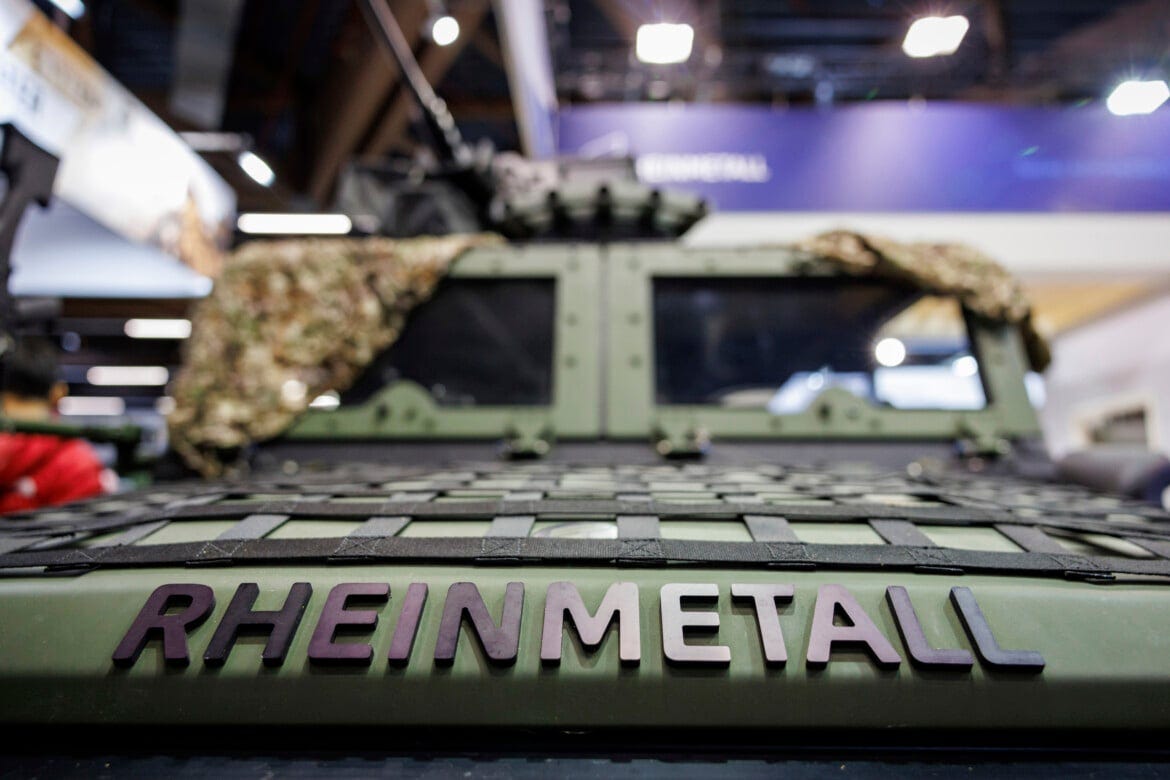
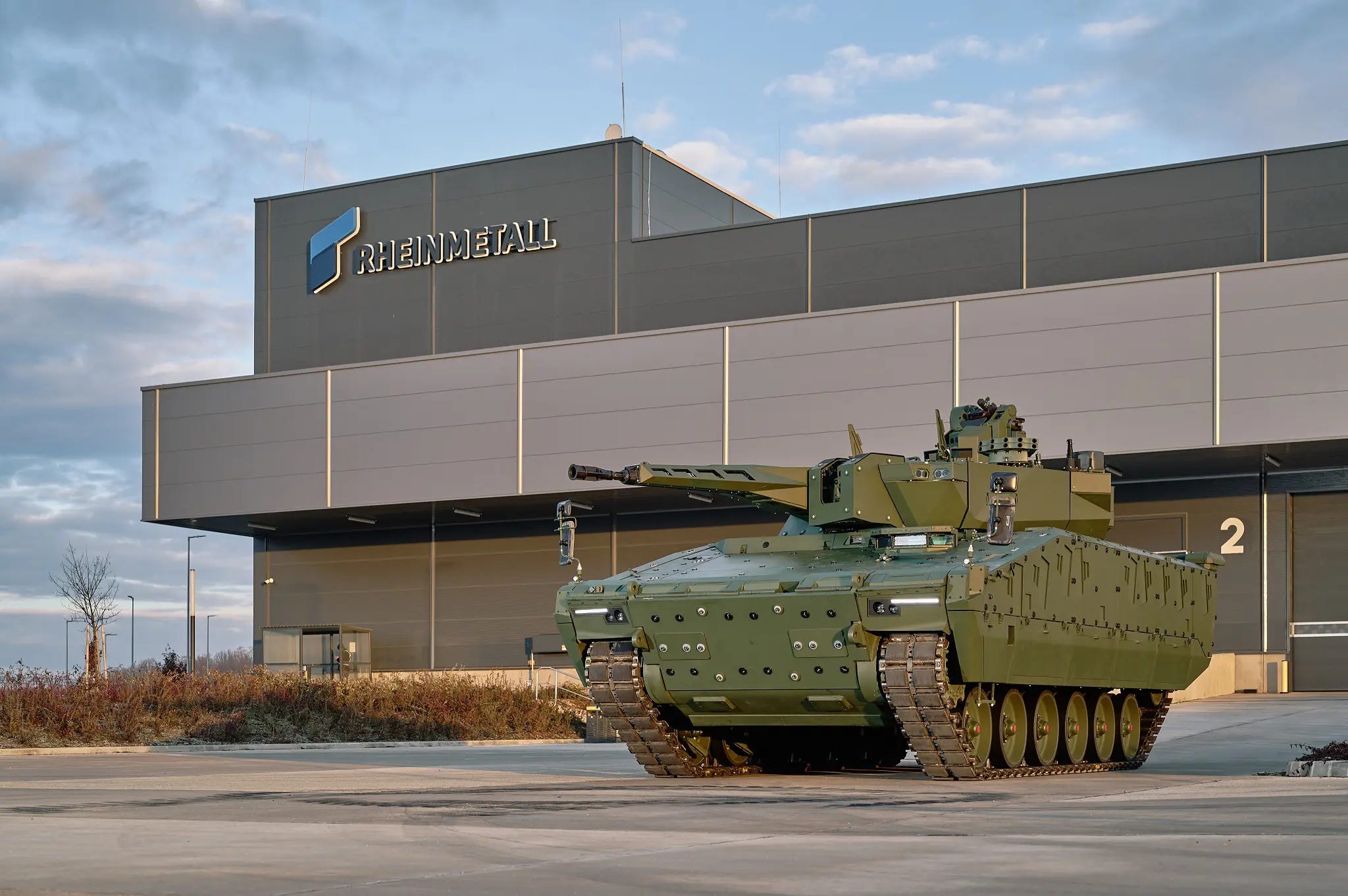
Rheinmetall and Lockheed Martin have agreed to establish a new missile and rocket production center in Germany, with Rheinmetall taking the lead. The facility will be designed to manufacture and distribute various types of munitions not only for Germany but also for broader European use. This move reflects a wider effort to strengthen Europe’s defense autonomy, particularly in the context of the war in Ukraine and the resulting strain on European stockpiles. The agreement builds on a memorandum of understanding signed between the two companies in June 2024 and signals a deepening of transatlantic industrial collaboration. The plan is currently subject to approval by both the U.S. and German governments.
Private Capital Returns to Focus on European Defence
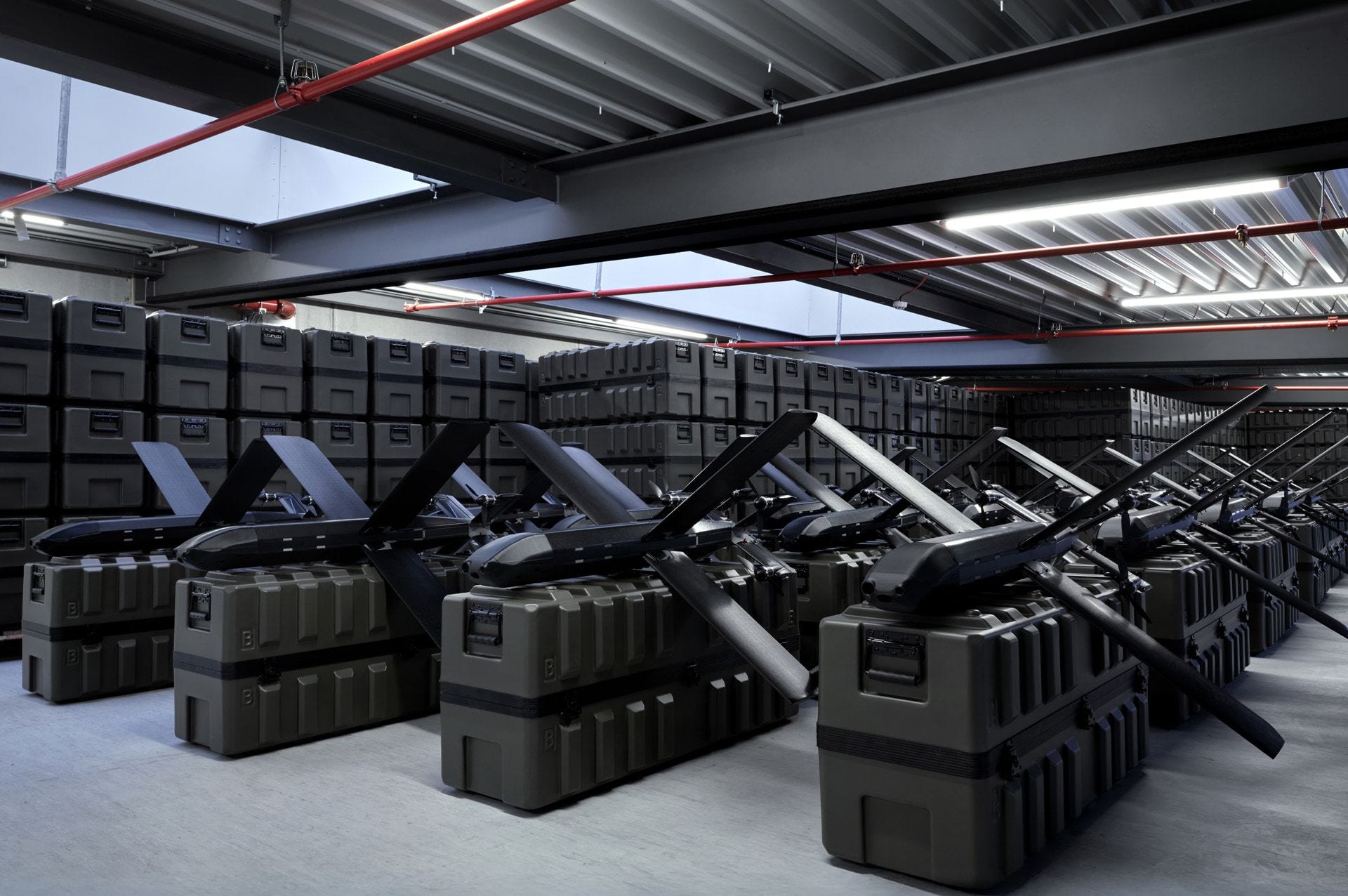
In 2024, venture capital investment in European startups operating in defence, security and resilience sectors reached an all-time high of $5.2 billion, marking a 24% increase over the previous year. This growth outpaced that of artificial intelligence investments in the same period, indicating a shift in capital allocation priorities. Companies like Helsing, which develops AI-based defence software, and Tekever, a drone manufacturer, led the trend, countering the broader decline in European VC funding. The surge confirms the emergence of a new strategic axis in tech innovation related to security, driven by demand linked to the war in Ukraine and the restructuring of Europe’s industrial production models.
The Rise of Europe’s Defence Industry in the Post-NATO Era
Europe’s defence industry is undergoing a structural transformation, driven by intensifying geopolitical tensions and the urgent need to reinforce the continent’s strategic autonomy. The re-election of U.S. President Donald Trump and his critical stance towards NATO have prompted EU leaders to significantly increase defence spending. According to the Financial Times, EU governments are mobilising hundreds of billions of euros to strengthen domestic capabilities, close gaps in their arsenals and reduce dependence on U.S. military support. This marks a historic shift following decades of budget reductions across European defence systems.