

Defence Finance Monitor is a specialised source of analysis for professionals who seek to anticipate how strategic priorities shape investment patterns in the defence sector. In a landscape shaped by high-stakes political choices and rapid technological shifts, understanding the link between military doctrine, operational requirements, and industrial policy is not a competitive edge—it is a prerequisite.
We analyse how strategic imperatives set by NATO, the European Union, allied Indo-Pacific democracies, and national Ministries of Defence translate into procurement programmes, innovation roadmaps, and long-term industrial priorities. Rather than listing individual companies, we track how clearly defined strategic challenges—such as deterrence gaps, technological dependencies, or capability shortfalls—are converted into funding schemes and institutional demand. Only companies that respond to these challenges become relevant to institutional buyers and, by extension, to investors. This framework has already enabled a growing community of analysts and financial professionals to make more consistent, risk-aware decisions and to avoid costly misalignments.
Subscribing to Defence Finance Monitor means gaining access to a strategic intelligence service designed to support financial decisions in the defence sector. Our work is based on a clear method and principle: In today’s environment, there is no profitable investment without strategic understanding. Resources are limited. Knowing where public money is going—and why—makes the difference between reacting to the market and making informed decisions ahead of time.
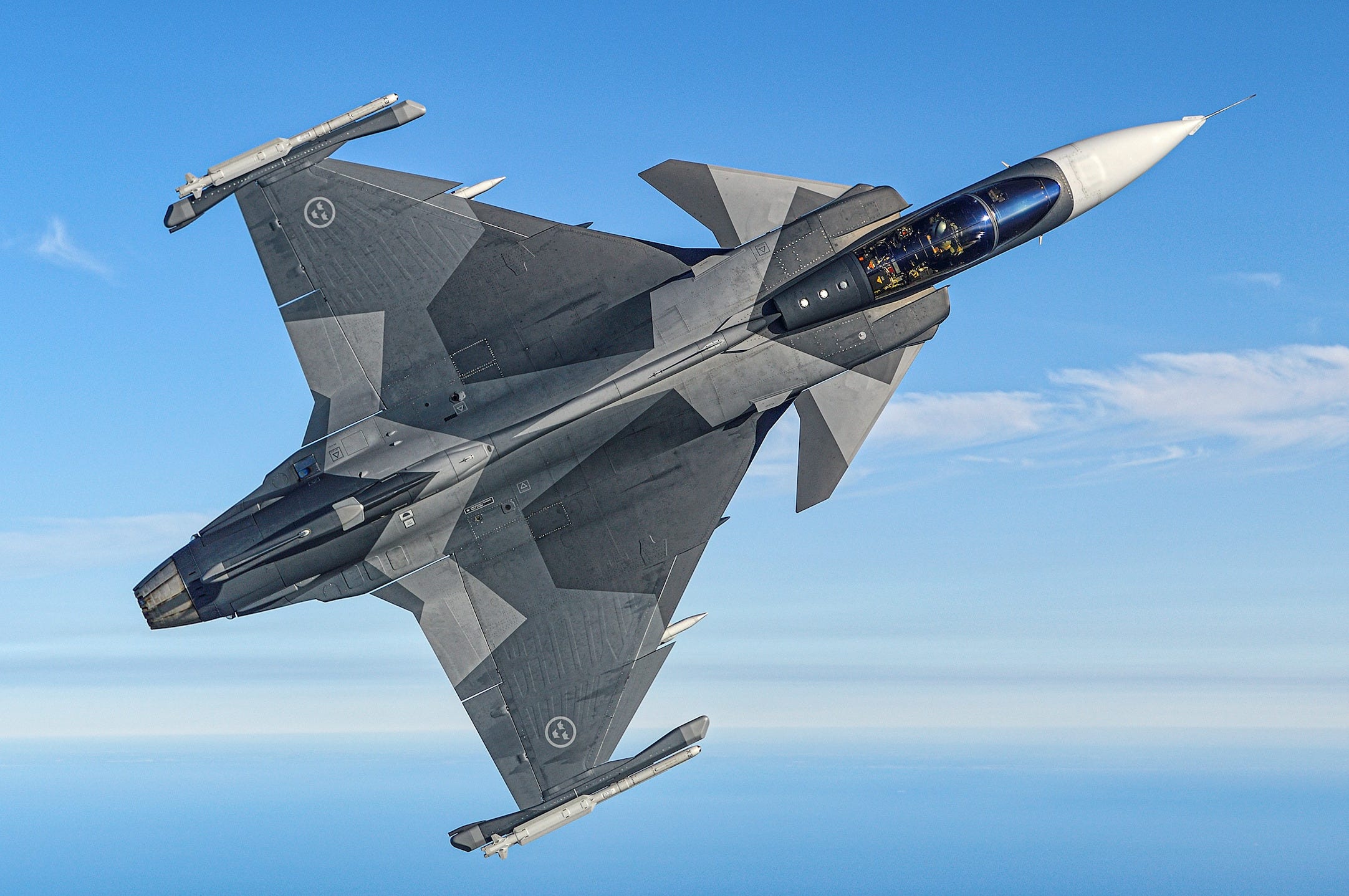
Defense Group Saab Exceeds Profit Forecast, Raises 2025 Outlook
On July 18, 2025, Swedish defense technology group Saab announced second-quarter results that exceeded expectations and raised its full-year sales forecast. Amid a sharp rise in European defense spending, the company reported operating income of 1.98 billion Swedish crowns (approximately $204 million), significantly above the consensus forecast of 1.71 billion from analysts compiled by LSEG. Following the announcement, Saab’s stock surged 6% in early trading on the Stockholm exchange, reflecting investor confidence in the group’s continued growth trajectory.
Helsing – Strategic Technological Profile (Germany)
Helsing is a European defence technology company headquartered in Germany, operating at the intersection of artificial intelligence, autonomy, and national security. It positions itself as a software-first actor within the broader defence industrial ecosystem, delivering mission-critical AI capabilities for land, air, maritime, and space domains. Unlike traditional hardware-centric defence primes, Helsing focuses on enabling digital superiority through advanced algorithms, sensor fusion, and autonomous systems integrated into existing and next-generation military platforms. Its mission is explicitly tied to the strategic interests of democratic nations, aiming to ensure that technological innovation reinforces deterrence, operational effectiveness, and ethical oversight in modern warfare.

Europe Must Strengthen Its Military Capabilities, Says EU Defense Chief
As geopolitical tensions rise and strategic priorities shift, Europe finds itself under increasing pressure to enhance its defense capabilities. On July 22, 2025, in a speech delivered in Washington, EU Defense Commissioner Andrius Kubilius underscored the urgent need for European nations to take greater responsibility for their collective security. The remarks came amid ongoing discussions over burden-sharing within NATO and the long-term reorientation of U.S. military strategy toward the Indo-Pacific region. The commissioner’s comments reflect a broader consensus in Brussels that Europe must no longer rely primarily on American protection, particularly as Washington intensifies its focus on countering China’s military expansion.

The UK and OpenAI Forge Strategic Alliance to Advance National AI Capabilities
The United Kingdom has entered a new phase in its bid to become a global leader in artificial intelligence through a strategic partnership with OpenAI, the U.S.-based company behind ChatGPT. Announced on July 21, 2025, the agreement is positioned as a cornerstone of Prime Minister Keir Starmer’s plan to transform the UK into an “AI superpower.” The partnership aims to deepen collaboration in AI safety research, foster investment in domestic AI infrastructure, and facilitate the deployment of OpenAI’s capabilities in key public sectors. This development underscores the UK government’s conviction that advanced AI is essential not only for economic growth but also for improving public services such as healthcare, education, and national security.

Towards a European Defence Market: Integration or Fragmentation?
The call for greater European defence spending has long been a point of tension within NATO, often voiced most bluntly by the United States. Recently, that pressure has materialised into a formal commitment: NATO’s 32 members, including 30 European nations, have pledged to reach 5 per cent of GDP in defence expenditure, accompanied by annual plans showing a credible path towards that objective. While countries along NATO’s eastern flank — such as Poland, Estonia, and Latvia — are relatively close to that threshold, most Western European economies remain far below. The scale of the fiscal adjustment required is significant, particularly in a context of stagnant growth, high public debt, and political resistance to tax increases. The key question now is not whether Europe will spend more on defence, but how it will spend — and whether it will do so collectively.
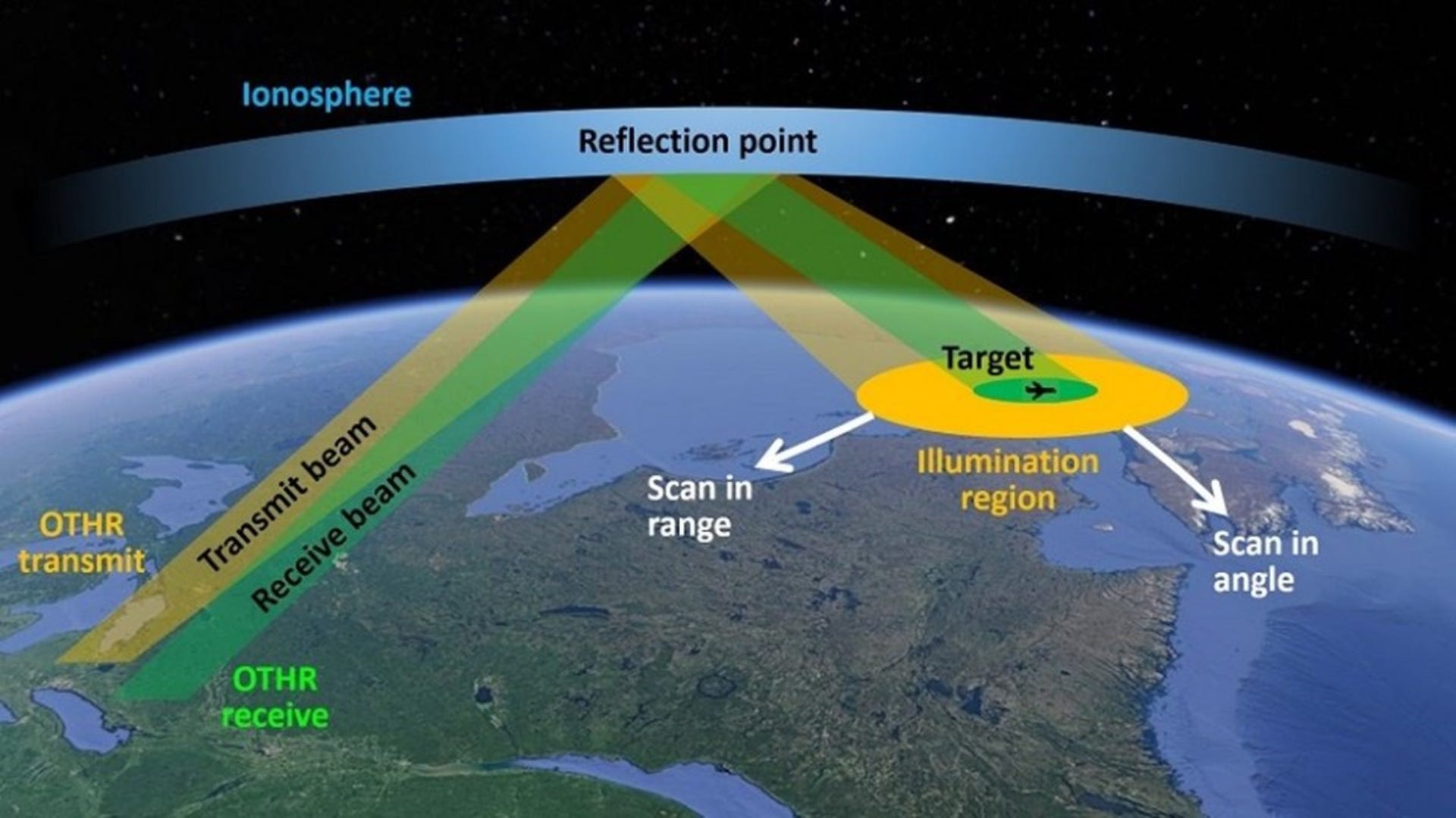
Over-the-Horizon Radar: A Strategic Partnership Between Australia and Canada
In the context of technological advancement in surveillance systems and shifting geopolitical dynamics in the Indo-Pacific and Arctic regions, the cooperation between Australia and Canada on Over-the-Horizon Radar (OTHR) represents a compelling case of alignment between scientific capability, strategic interest, and industrial opportunity. Unlike conventional radar systems, OTHR detects and tracks airborne and maritime objects far beyond the line of sight, by bouncing radio waves off the ionosphere. This enables surveillance coverage over vast distances, particularly relevant for countries with expansive territories, long coastlines, and overlapping interests in remote regions. The bilateral agreement signed on 18 July 2025, officially announced by the Australian Department of Defence, marks the beginning of a new phase of institutional and industrial collaboration in a high-tech and strategically critical sector.