

Defence Finance Monitor is a specialised source of analysis for professionals who seek to anticipate how strategic priorities shape investment patterns in the defence sector. In a landscape shaped by high-stakes political choices and rapid technological shifts, understanding the link between military doctrine, operational requirements, and industrial policy is not a competitive edge—it is a prerequisite.
We analyse how strategic imperatives set by NATO, the European Union, allied Indo-Pacific democracies, and national Ministries of Defence translate into procurement programmes, innovation roadmaps, and long-term industrial priorities. Rather than listing individual companies, we track how clearly defined strategic challenges—such as deterrence gaps, technological dependencies, or capability shortfalls—are converted into funding schemes and institutional demand. Only companies that respond to these challenges become relevant to institutional buyers and, by extension, to investors. This framework has already enabled a growing community of analysts and financial professionals to make more consistent, risk-aware decisions and to avoid costly misalignments.
Subscribing to Defence Finance Monitor means gaining access to a strategic intelligence service designed to support financial decisions in the defence sector. Our work is based on a clear method and principle: In today’s environment, there is no profitable investment without strategic understanding. Resources are limited. Knowing where public money is going—and why—makes the difference between reacting to the market and making informed decisions ahead of time.
Electronic Warfare and Electromagnetic Spectrum Dominance in Modern Defense
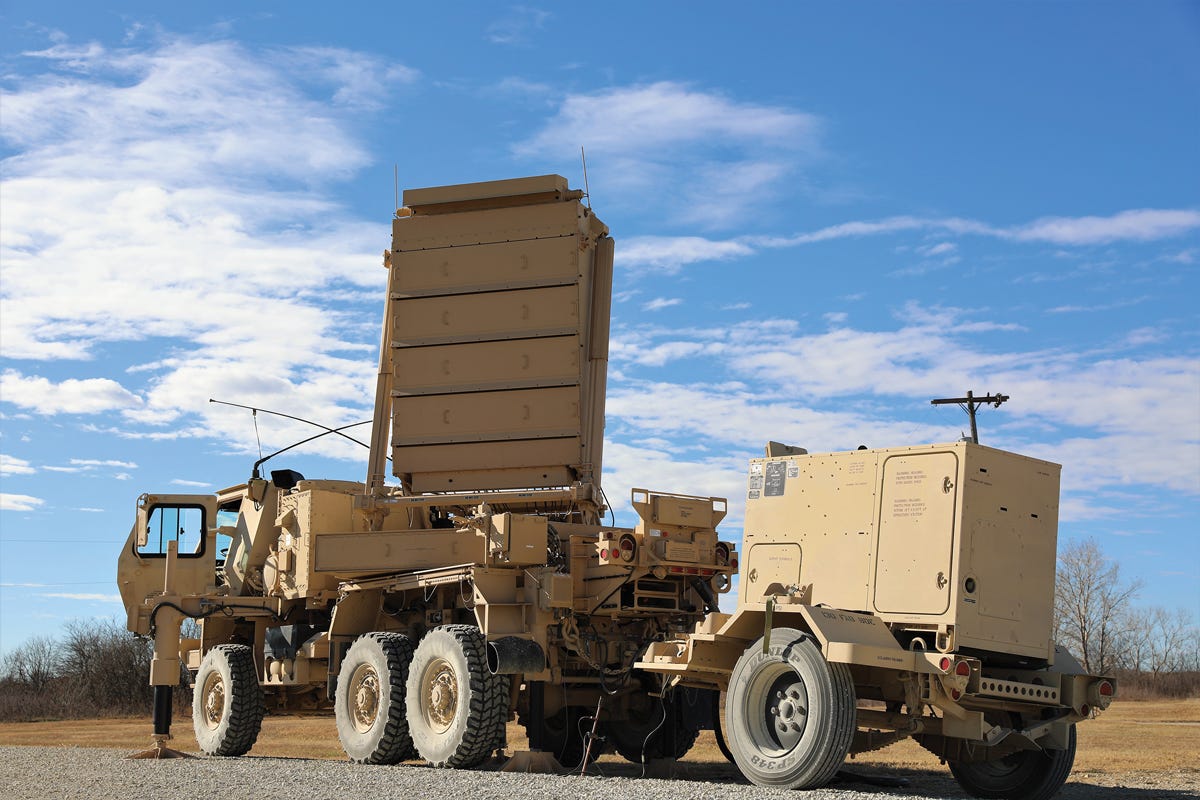
The electromagnetic spectrum (EMS) has become a central battlespace in modern warfare, underpinning communications, sensing, and weapon systems across all domains. NATO and the European Union have elevated electromagnetic spectrum operations (EMSO) and electronic warfare (EW) to top strategic priorities, recognizing that control of the spectrum is essential for collective defense and deterrence. The ability to deny an adversary use of the spectrum, protect one’s own forces from jamming or detection, and operate effectively in contested and congested EMS environments is now seen as vital as traditional air, land, and sea superiority. In Europe’s latest capability plans, “Electromagnetic Spectrum Operations Dominance” is explicitly listed among the key enablers needed for high-intensity operations, reflecting lessons from recent conflicts such as the war in Ukraine. Advanced militaries and allied democracies (including NATO partners like Japan, South Korea, and Australia) are investing heavily in spectrum warfare technologies – from next-generation electronic jammers and signal spoofing tools to directed-energy weapons – to ensure they can fight and communicate even under intense electromagnetic interference. This report analyzes the foremost technological, industrial, and strategic trends in the electromagnetic spectrum domain (with focus on Europe and its allies circa 2023–2025) and maps them to specific sectors and companies. It also identifies emerging investment opportunities for venture capital, private equity and institutional investors, aligned with NATO-EU priorities.

Deterrence in the Pacific: The Evolving U.S.-Philippines Strategic Architecture
In the context of rising tensions in the South China Sea and the ongoing strategic competition between the United States and China for influence in the Indo-Pacific, the alliance between Washington and Manila is taking on increasing strategic significance. The Philippines' geographic position, straddling the Luzon Strait and the contested maritime zone, makes it a key partner for U.S. interests in the region. The bilateral cooperation has expanded beyond traditional defense to include economic, industrial, and technological dimensions. The recent visit of Philippine President Ferdinand Marcos Jr. to Washington and his meetings with Secretary of Defense Pete Hegseth and Secretary of State Marco Rubio mark a renewed commitment to building credible, integrated deterrence in the region.

Northern Australia as a Strategic Rearmament Hub in the Indo-Pacific
The 2025 edition of Exercise Talisman Sabre has marked a significant evolution in the logistical and operational posture of the Australian Defence Force (ADF) within the Indo-Pacific. During the exercise, the ADF successfully conducted two rearmament operations of the Royal Canadian Navy's HMCS Ville de Québec at the Port of Darwin, equipping the vessel with RGM-84 Harpoon Block II anti-ship missiles. These activities signal more than technical capability: they reflect the emergence of northern Australia as a forward logistics base capable of supporting allied naval operations in a contested strategic environment. The ability to conduct such operations in-theatre, far from continental North America, contributes directly to coalition readiness and deterrence.

The UK’s Price for Access: Strategic and Industrial Stakes in Europe’s Defense Reset
The growing military threat posed by Russia and the parallel strategic decoupling from U.S. security guarantees are prompting a significant transformation in Europe’s defense architecture. In this context, the United Kingdom’s decision to join the EU’s €150 billion SAFE (Security Action for Europe) fund marks a crucial development. This initiative, launched in May 2025, aims to accelerate defense procurement across the continent through pooled financing and joint acquisition mechanisms. For the UK, participation offers both industrial opportunities and geopolitical alignment. However, access comes at a cost: British companies benefitting from EU-funded contracts will require London to contribute financially, in proportion to the value gained. The balance between strategic benefits and industrial concessions is now at the center of negotiations.