

Defence Finance Monitor is the trusted resource for those who aim to anticipate—not merely follow—the dynamics of a sector where investment decisions are inseparable from public strategy. In a landscape shaped by high-stakes political choices and rapid technological shifts, understanding the link between military doctrine, operational requirements, and industrial policy is not a competitive edge—it is a prerequisite.
We analyse how strategic imperatives set by NATO, the European Union, allied Indo-Pacific democracies, and national Ministries of Defence translate into procurement programmes, innovation roadmaps, and long-term industrial priorities. Rather than listing individual companies, we track how clearly defined strategic challenges—such as deterrence gaps, technological dependencies, or capability shortfalls—are converted into funding schemes and institutional demand. Only companies that respond to these challenges become relevant to institutional buyers and, by extension, to investors. This framework has already enabled a growing community of analysts and financial professionals to make more consistent, risk-aware decisions and to avoid costly misalignments.
Subscribing to Defence Finance Monitor means gaining access to a strategic intelligence service designed to support financial decisions in the defence sector. Our work is based on a clear method and principle: In today’s environment, there is no profitable investment without strategic understanding. Resources are limited. Knowing where public money is going—and why—makes the difference between reacting to the market and making informed decisions ahead of time.
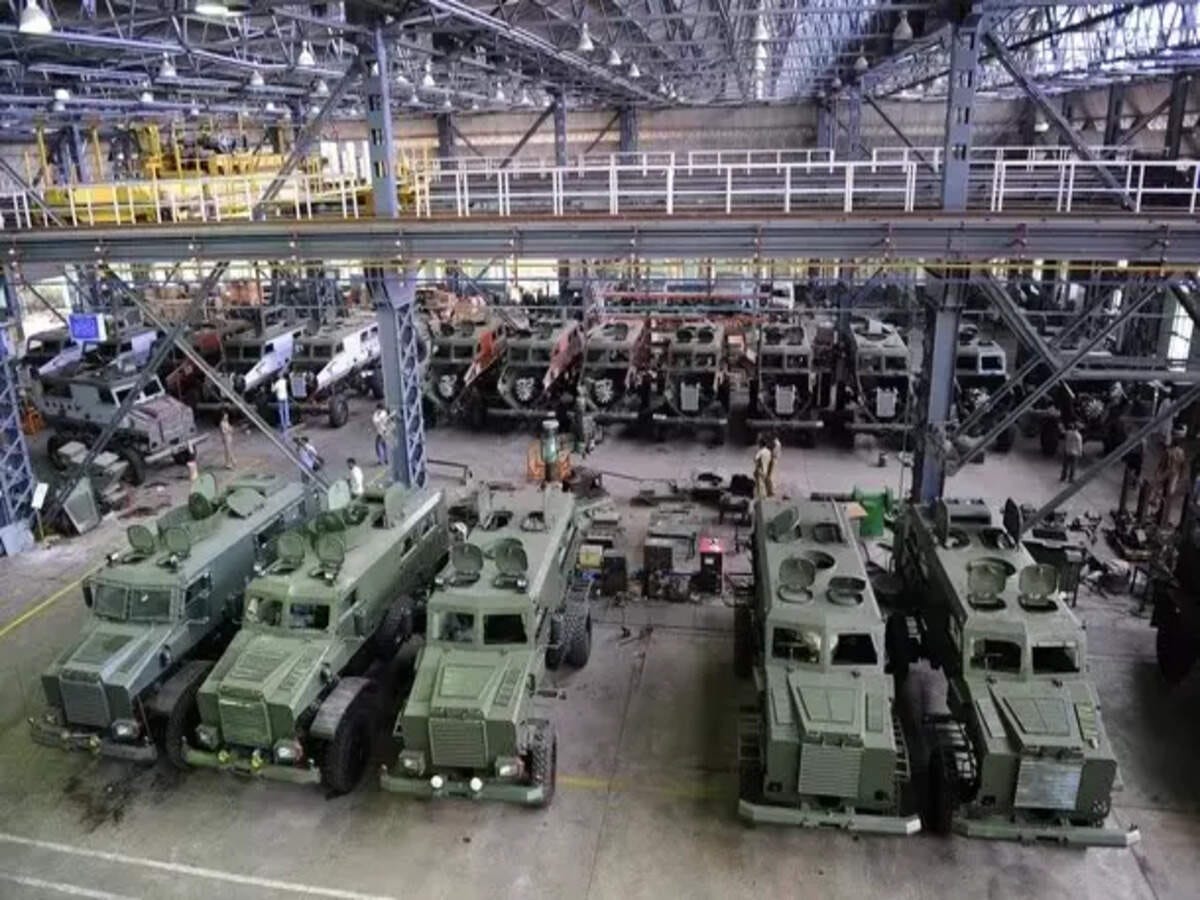
The Economic Impact of Europe’s Rising Defence Spending
Europe is entering a new era of defence investment. In the wake of Russia’s 2022 invasion of Ukraine, many European governments have pledged to boost military spending after decades of post-Cold War decline. NATO figures show that defence outlays by European Allies have climbed from roughly 1.66% of GDP in 2022 to about 2% in 2024, with 23 NATO members now meeting the Alliance’s 2%-of-GDP spending target – a dramatic rise from only a handful of countries a decade ago. Leaders have even agreed on an ambitious new goal of 3.5% of GDP for core defence spending (plus another 1.5% on related areas) by 2035. This rapid build-up reflects urgent security needs, but it also raises a critical question: What will be the economic impact of Europe’s rising defence spending?

PAZ-2 Satellites to Boost Spain’s Strategic Role in Space-Based Surveillance
Airbus has been appointed prime contractor for the PAZ-2 satellite programme, commissioned by Hisdesat on behalf of the Spanish Ministry of Defence. This initiative entails the design and manufacture of two advanced radar satellites intended to ensure the continuity of the PAZ Earth observation mission launched in 2018. The PAZ-2 programme represents a strategic investment in Spain’s sovereign capabilities in space and defence, with approximately 65% of the satellite components and technologies being developed by the national industry. The project marks a significant step in consolidating Spain’s position within the European space ecosystem, with Airbus coordinating a consortium of more than fifteen domestic firms.
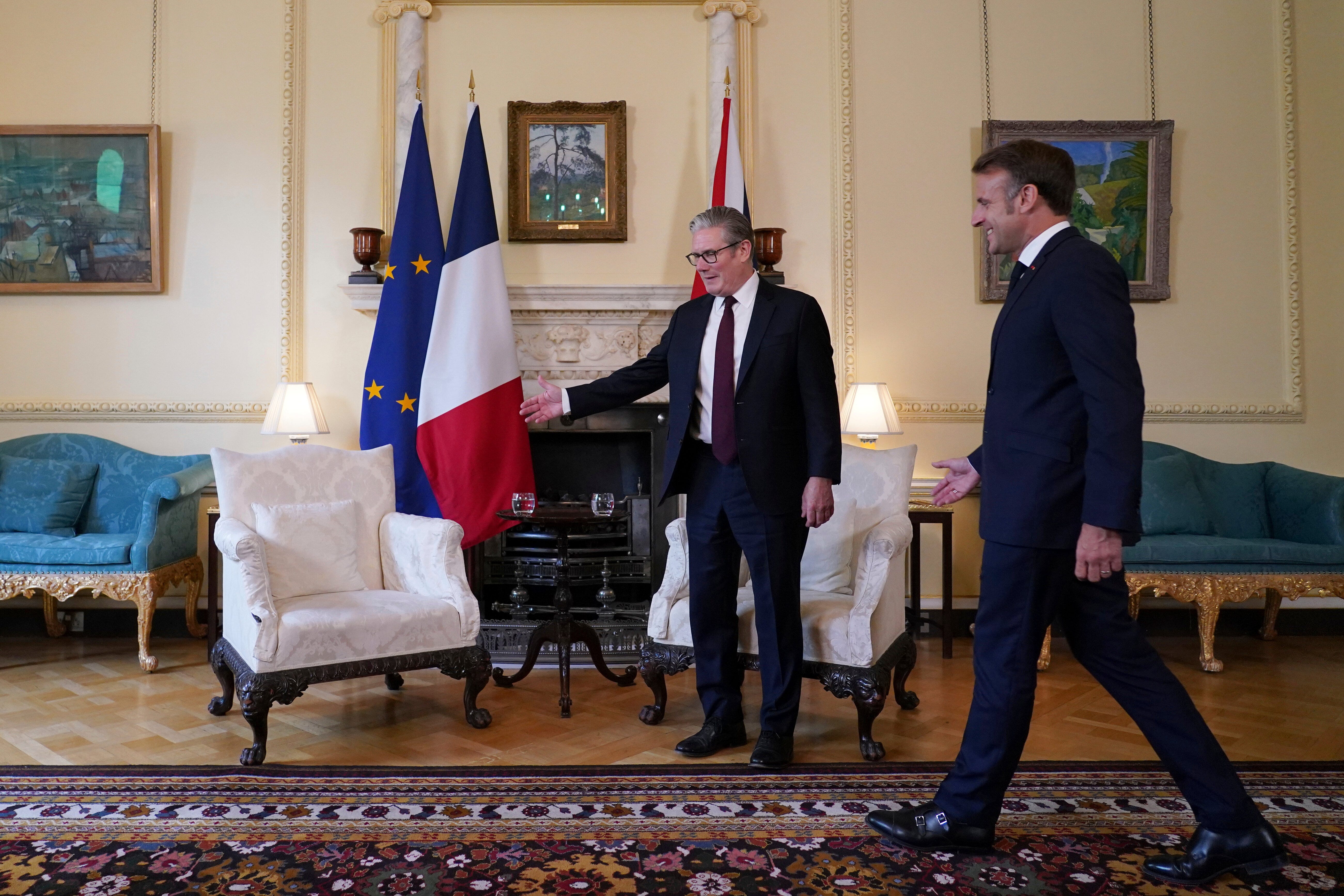
UK and France Deepen Defence Cooperation with New Missile and Deterrence Pact
The United Kingdom and France have signed a new defence agreement that marks a significant step forward in bilateral military and industrial cooperation. At the centre of this renewed partnership is the joint commitment to develop the next generation of deep strike and anti-ship missiles, replacing the Storm Shadow cruise missile—one of Europe’s most effective long-range precision weapons. This initiative will support 1,300 highly skilled jobs in the UK and strengthen domestic production capabilities at MBDA’s site in Stevenage, where the current Storm Shadow line will also be upgraded. The move reflects a broader strategy to use defence procurement not only to enhance military capability but also as a driver for national economic growth.
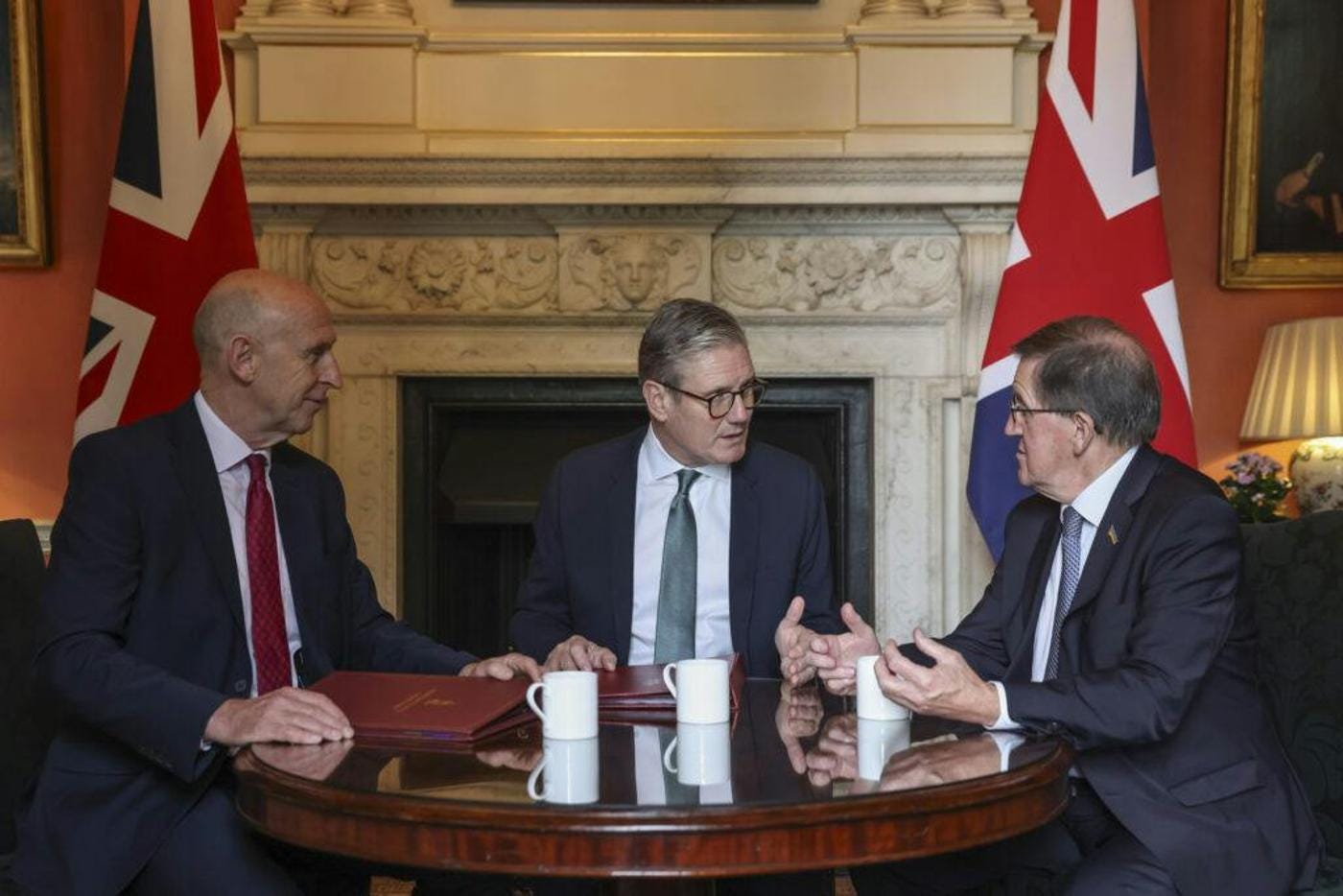
Strategic Reset: Why the UK Is Rebuilding Its Defence Around NATO
The United Kingdom is entering a new phase in its defence policy, driven by an evolving international security landscape and a clear recognition that NATO must be at the core of its strategic planning. In response to growing threats from Russia, Iran, North Korea and China, the UK has embraced a “NATO first” principle in the 2025 Strategic Defence Review. This principle affirms that British armed forces must be structured, equipped and trained primarily to contribute to NATO’s collective deterrence. As global tensions rise, the era of post-Cold War peace dividends is over. The UK’s security is now understood as inseparable from the strength and cohesion of the Alliance. As Lord Robertson argues, NATO provides not just military reassurance but a framework for industrial and diplomatic coordination that multiplies the UK’s national power.