

Defence Finance Monitor is the trusted resource for those who aim to anticipate—not merely follow—the dynamics of a sector where investment decisions are inseparable from public strategy. In a landscape shaped by high-stakes political choices and rapid technological shifts, understanding the link between military doctrine, operational requirements, and industrial policy is not a competitive edge—it is a prerequisite.
We analyse how strategic imperatives set by NATO, the European Union, allied Indo-Pacific democracies, and national Ministries of Defence translate into procurement programmes, innovation roadmaps, and long-term industrial priorities. Rather than listing individual companies, we track how clearly defined strategic challenges—such as deterrence gaps, technological dependencies, or capability shortfalls—are converted into funding schemes and institutional demand. Only companies that respond to these challenges become relevant to institutional buyers and, by extension, to investors. This framework has already enabled a growing community of analysts and financial professionals to make more consistent, risk-aware decisions and to avoid costly misalignments.
Subscribing to Defence Finance Monitor means gaining access to a strategic intelligence service designed to support financial decisions in the defence sector. Our work is based on a clear method and principle: In today’s environment, there is no profitable investment without strategic understanding. Resources are limited. Knowing where public money is going—and why—makes the difference between reacting to the market and making informed decisions ahead of time.
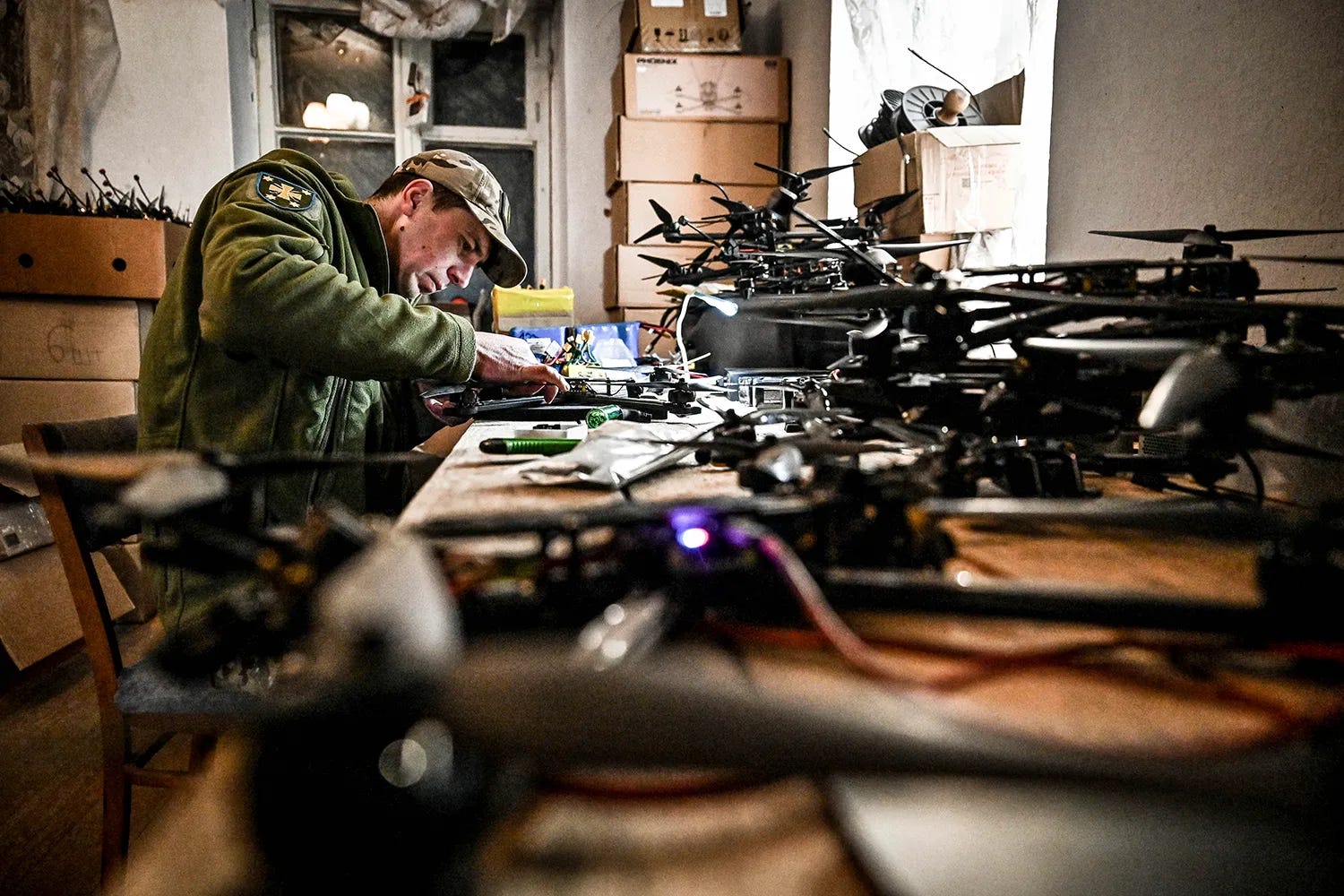
The Ukrainian Drone Industry: Supply Chain Analysis and Chinese Dependencies
Ukraine’s drone industry has experienced an explosive expansion since the Russian full-scale invasion in 2022. From ad-hoc garage projects, it has evolved into a robust sector that has dramatically scaled up production. By some estimates, Ukraine’s defense manufacturing output in 2024 is 35 times higher than in 2022. This growth was fueled by wartime necessity and government support – including reduced taxes, grants, and even hackathons to spur innovation – which together fostered a “startup” culture in defense that cut through bureaucracy to deliver results quickly. As a result, Ukraine is now regarded as perhaps the largest producer of drones in the Western-aligned world, giving the country a fighting chance against a larger adversary and becoming a model observed closely by Europe.
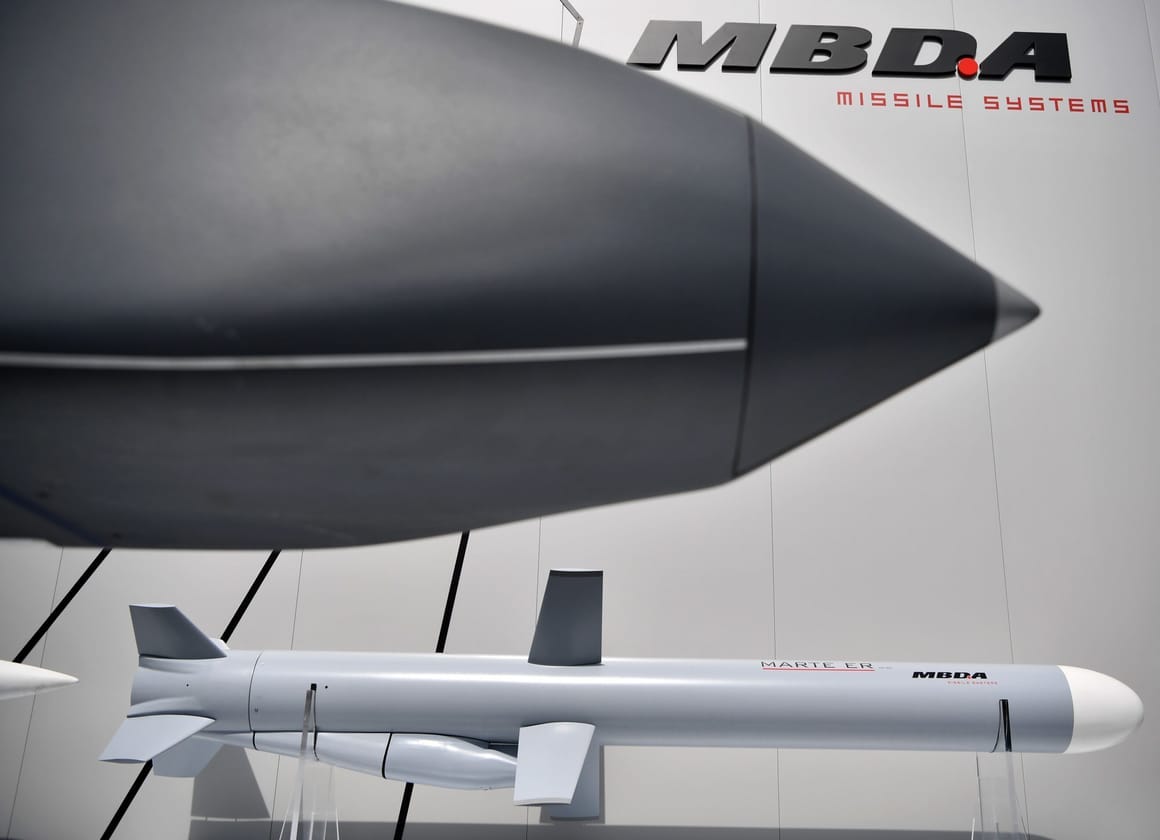
NATO Pushes for Long-Range Missiles Amid Rising Russian Threat
NATO’s reliance on the United States for long-range missile capabilities has become a critical concern as Russia expands its arsenal. According to U.S. Major General John Rafferty, Moscow’s growing investment in long-range rockets and advanced air defences highlights the urgent need for NATO to increase its own capacity. Speaking from a military base in Wiesbaden, Germany, Rafferty stressed that Russia's armed forces are now larger and better equipped than at the start of the war in Ukraine, and that credible deterrence will require significant reinforcement of long-range strike systems within the alliance.

America’s Frontier Fund Raises $315 Million to Boost U.S. National Security Startups
America’s Frontier Fund, a venture capital firm focused on national security and strategic technologies, is in the process of raising up to $315 million for its debut fund. According to documents viewed by Business Insider, the fund will combine $140 million in private capital with $175 million in U.S. government-backed loans. The financing is being structured under the Small Business Investment Company Critical Technology Initiative, a joint program of the Department of Defense and the Small Business Administration. This program aims to accelerate private investment into advanced technological sectors deemed critical to U.S. economic and geopolitical competitiveness.
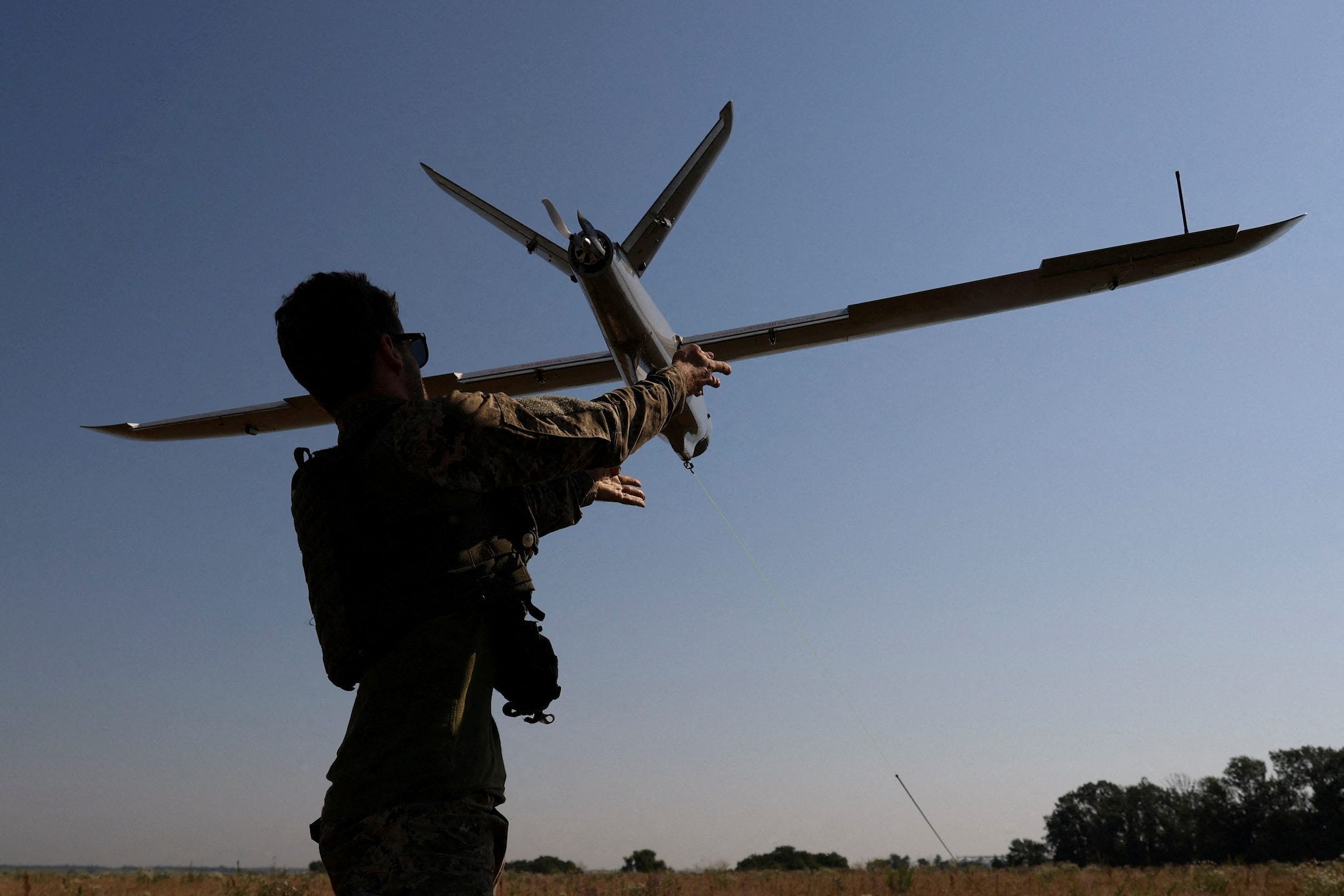
Pentagon Adopts Ukraine-Inspired Model to Accelerate U.S. Drone Deployment
The U.S. Department of Defense has unveiled a comprehensive strategy to increase the scale, speed, and effectiveness of military drone deployment, drawing heavily from Ukraine’s battlefield experience. The plan follows Executive Order 14307, signed by President Donald Trump, which directs the Pentagon to support domestic drone manufacturing and streamline fielding procedures. Defense Secretary Pete Hegseth emphasized the urgency of removing bureaucratic constraints and delegating procurement authority directly to frontline commanders. The overarching goal is to ensure U.S. forces can access low-cost, AI-enabled drones rapidly and at scale, reflecting lessons learned from modern conflict.

Drone Dominance Directive: Pentagon Orders Major Overhaul to Accelerate Small UAS Integration
On July 10, 2025, Secretary of Defense Pete Hegseth issued a sweeping directive titled “Unleashing U.S. Military Drone Dominance”, marking a turning point in how the Department of Defense procures, deploys, and integrates small unmanned aerial systems (UAS). Framing drones as the defining battlefield innovation of this generation, Hegseth criticized past bureaucratic inertia and formally rescinded restrictive policies that had hindered the growth of the domestic drone industry. The directive is designed to shift operational authority and budgetary discretion from centralized offices to combat units, enabling faster access to AI-enabled, low-cost drone systems for immediate use in the field.

BAE Systems Secures $172 Million U.S. Defense Contract for Multi-Domain Systems Development
BAE Systems Technology Solutions & Services Inc. has been awarded a $172.4 million contract by the U.S. Department of Defense to support the development and transition of advanced capabilities across multiple domains, including air, space, and cyber. The contract, issued as a cost-plus-fixed-fee task order under the Systems Analysis Worldwide VIII program, will fund engineering and evaluation work aimed at enhancing critical technologies used by the U.S. military. The project is set to be executed in Rockville, Maryland, with completion expected by September 2030. The Air Force Research Laboratory in Rome, New York, is managing the contract under the identifier FA8750-25-F-B021.

BraveTech EU: Europe and Ukraine Launch Joint Initiative to Accelerate Defense Innovation
The European Commission has formally launched BraveTech EU, a new initiative aimed at integrating Ukraine’s wartime technological advancements into a broader European defense innovation strategy. Developed in partnership with the Ukrainian government, BraveTech EU brings together existing European frameworks—the European Defence Fund (EDF), the EU Defence Innovation Scheme (EUDIS), and Ukraine’s BRAVE1 platform—into a single structure. The objective is to foster rapid co-development, testing, and deployment of battlefield-proven defense technologies, while facilitating knowledge exchange and aligning regulatory and procurement practices across both jurisdictions.
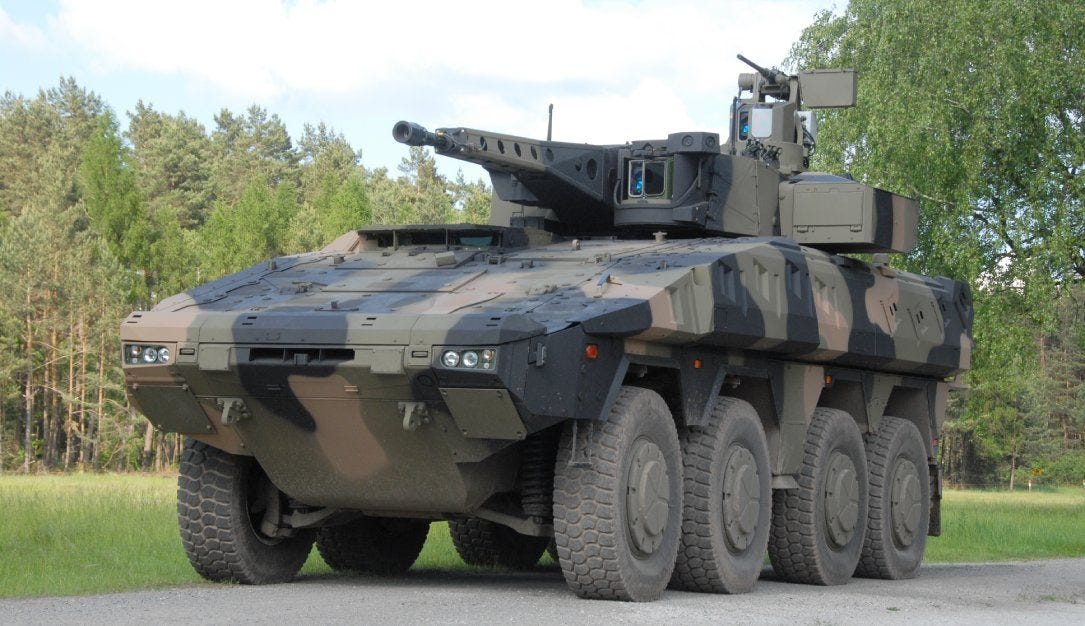
Germany Launches Historic Rearmament Program: Up to 7,000 Combat Vehicles to be Acquired from Rheinmetall
According to a report published by the German newspaper Bild on July 13, 2025, Rheinmetall AG is in advanced negotiations with the German government for the delivery of between 6,000 and 7,000 combat vehicles. Confirmed by CEO Armin Papperger, the agreement forms the core of a comprehensive restructuring plan to modernize the German Army (Bundeswehr) and enhance its combat readiness. If finalized, the order could generate up to €70 billion in defense contracts over the next twelve months from Germany alone.