

Defence Finance Monitor analyses how strategic imperatives defined at the national and supranational level—by EU institutions, NATO, and national Ministries of Defence—shape defence policy, technology priorities, and industrial development. Rather than identifying individual companies, we examine how recognised strategic problems—such as deterrence shortfalls, technological dependencies, or capability gaps—are translated into public funding programmes, procurement frameworks, and defence innovation roadmaps. Our premise is simple: a company becomes relevant to investors only if it is relevant to institutional buyers or prime contractors. And it becomes relevant to those buyers only if it contributes—directly or indirectly—to solving a clearly defined strategic challenge. We trace this logic from political doctrine to operational requirements and industrial structures, highlighting the strategic, technological, and organisational dimensions that may signal long-term alignment with institutional demand. This enables more coherent and risk-aware capital allocation in a sector where investment decisions are inseparable from public strategy.

One Threat, Three Fronts: The Strategic Convergence of the Transatlantic and Indo-Pacific Theaters
The notion that Europe and the Indo-Pacific are distinct strategic theaters is increasingly obsolete. What is emerging instead is a growing recognition that the security of the Euro-Atlantic and Indo-Pacific regions is interdependent, structurally and operationally. This interdependence is no longer theoretical or diplomatic rhetoric; it is becoming a material fact of international politics. China and North Korea are supplying Russia with munitions, drones, and components that directly sustain Moscow’s war against Ukraine. In return, Russia is prepared to offer technology transfers, raw materials, and energy resources — assets critical to the coercive ambitions of Beijing and Pyongyang. What is forming is not a formal alliance, but a strategic ecosystem: an axis composed of China, Russia, and North Korea, coordinated across geography and function.
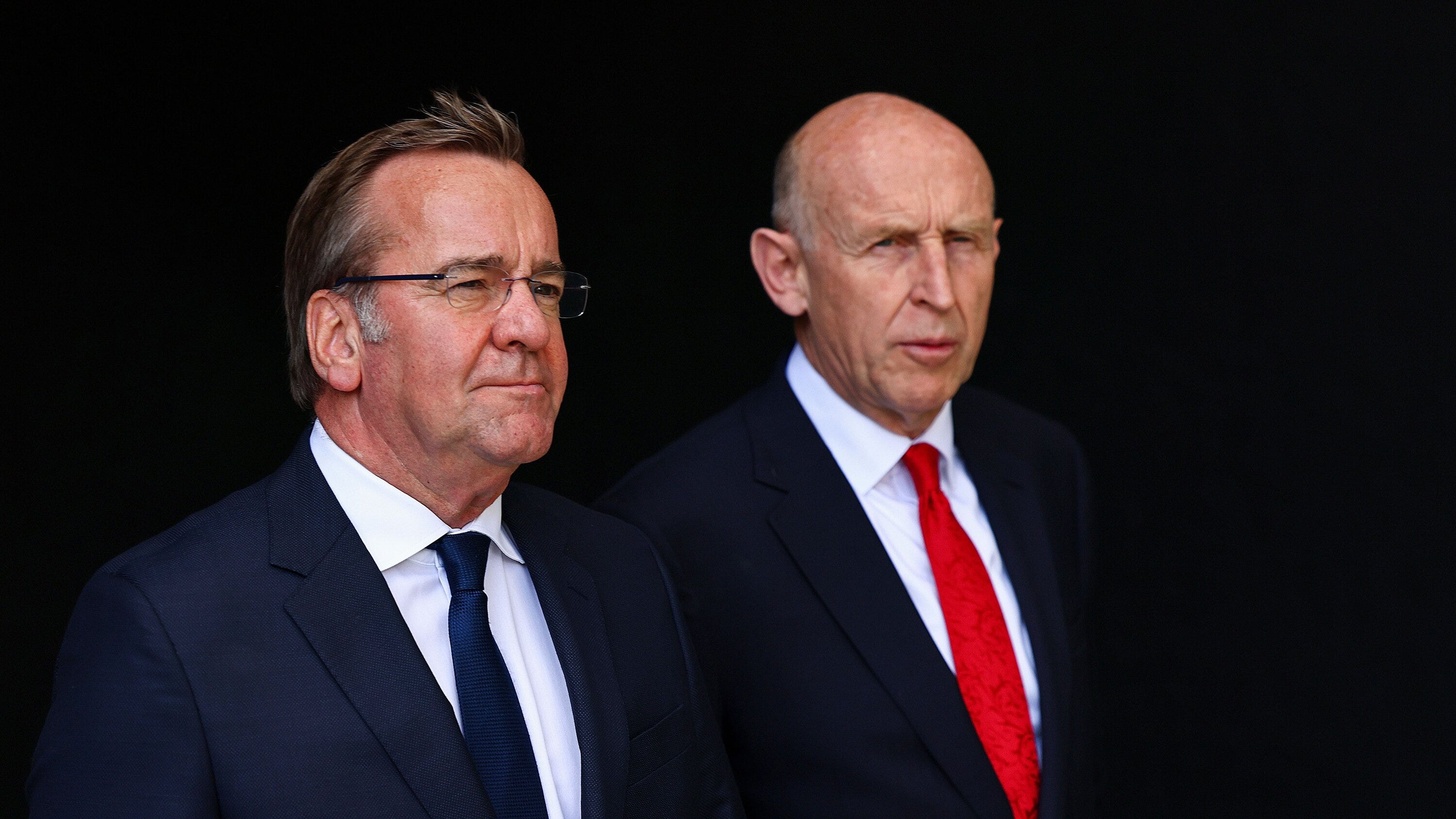
Germany and UK to Sign Mutual Defense Pact Amid Shifting European Security Landscape
On July 17, 2025, Germany and the United Kingdom will formalize a wide-ranging bilateral defense treaty that includes a mutual assistance clause, establishing that a strategic threat to one nation will be considered a threat to the other. This marks the culmination of a diplomatic trajectory that began in October 2024 with the Trinity House Agreement and intensified over 18 rounds of negotiations. Initiated under former Chancellor Olaf Scholz and Prime Minister Keir Starmer, the treaty builds on the foundations laid in their 2023 joint declaration and reflects a growing consensus in both Berlin and London on the need for enhanced intra-European security cooperation amid the evolving Russian threat and uncertainties about the future of U.S. commitments to NATO.
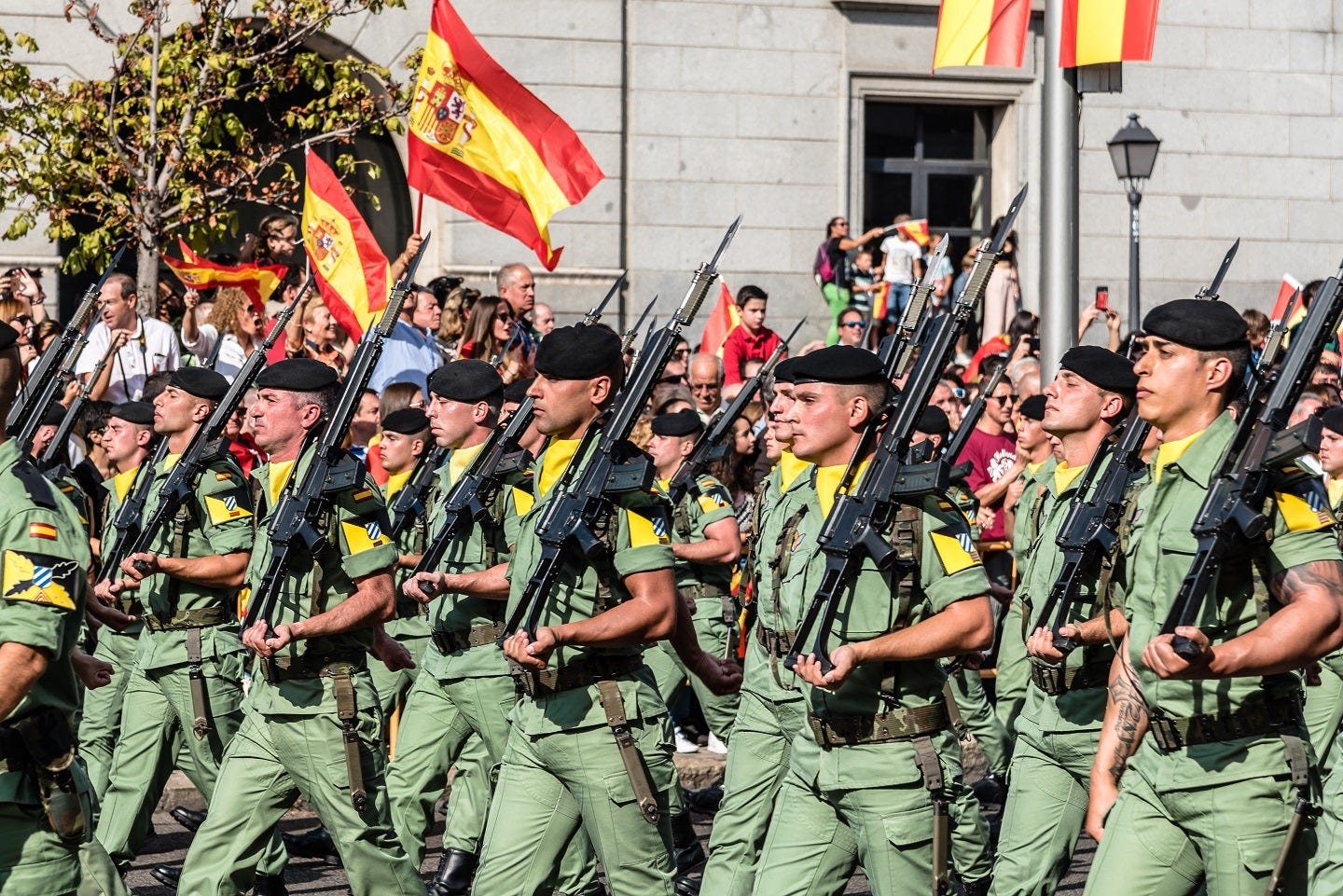
Spain Approves €34 Billion Defense Modernization Plan Through 2037
The Spanish government has approved a multi-year investment plan for national defense worth €34 billion, to be implemented by 2037. The initiative is part of the “Industrial and Technological Plan for Security and Defense” and includes 31 new Special Modernization Programs (PEMs) aimed at enhancing the operational capabilities of the Armed Forces and strengthening Spain’s national industrial base. The Council of Ministers has authorized an initial spending ceiling of €14.5 billion to launch the first 17 programs, while the Ministry of Industry will pre-finance €6 billion to accelerate implementation. To date, only one of the 31 contracts has been formally signed: €100 million of a total €700 million allocation for the construction of a new Combat Supply Ship (Buque de Aprovisionamiento para el Combate – BAC), which will replace the BAC Patiño.

IRIS²: The EU Launches Market Consultation for Satellite Communication Terminals and Advances Secure Connectivity Strategy
On 4 July 2025, the European Commission opened a Preliminary Market Consultation (PMC) aimed at collecting feedback from industry stakeholders on the development of satellite communication user terminals compatible with the EU’s secure connectivity initiative, IRIS². This consultation, jointly managed by the Commission, the European Space Agency (ESA), and the European Union Agency for the Space Programme (EUSPA), will remain open until 15 September 2025. It is a critical step in the roll-out of the IRIS² programme, which represents a central pillar in the EU's effort to ensure sovereign, resilient, and secure satellite-based communications for governmental and commercial applications.

MilDef Secures Major Contract with Kongsberg Defence & Aerospace for Rugged IT Equipment
On July 7, 2025, MilDef announced it has been awarded a contract valued at SEK 225 million by Kongsberg Defence & Aerospace for the supply of ruggedised IT equipment. Deliveries are scheduled to begin in 2026 and will support Kongsberg’s growing needs for digitalised defence systems. This agreement represents MilDef’s largest single contract in the Norwegian market to date and marks a significant step forward in the long-standing collaboration between the two companies.