

Defence Finance Monitor analyses how strategic imperatives defined at the national and supranational level—by EU institutions, NATO, and national Ministries of Defence—shape defence policy, technology priorities, and industrial development. Rather than identifying individual companies, we examine how recognised strategic problems—such as deterrence shortfalls, technological dependencies, or capability gaps—are translated into public funding programmes, procurement frameworks, and defence innovation roadmaps. Our premise is simple: a company becomes relevant to investors only if it is relevant to institutional buyers or prime contractors. And it becomes relevant to those buyers only if it contributes—directly or indirectly—to solving a clearly defined strategic challenge. We trace this logic from political doctrine to operational requirements and industrial structures, highlighting the strategic, technological, and organisational dimensions that may signal long-term alignment with institutional demand. This enables more coherent and risk-aware capital allocation in a sector where investment decisions are inseparable from public strategy.

Rearming the Rimlands: Germany and Japan in a New Strategic Age
The post-2022 global security landscape has accelerated a profound strategic shift in both Europe and the Indo-Pacific, compelling a reassessment of the historical constraints placed on Germany and Japan after 1945. These two states, once defeated powers subject to externally imposed limits on rearmament and strategic autonomy, are now re-emerging as central actors in their respective theatres. Russia’s invasion of Ukraine and China’s assertiveness in East Asia have dismantled long-held assumptions about peace, security, and burden-sharing within Western alliances. What was once inconceivable – a politically accepted and even encouraged German rearmament – has become reality in Europe. Simultaneously, Japan’s doctrinal shift toward counterstrike capabilities and enhanced defense spending mirrors Germany’s Zeitenwende. These developments reveal a structural transformation of both the Western and Eastern rimlands, as defined in the classical geopolitical thinking of Nicholas Spykman.
Explosive Growth in Advanced Defense Technology
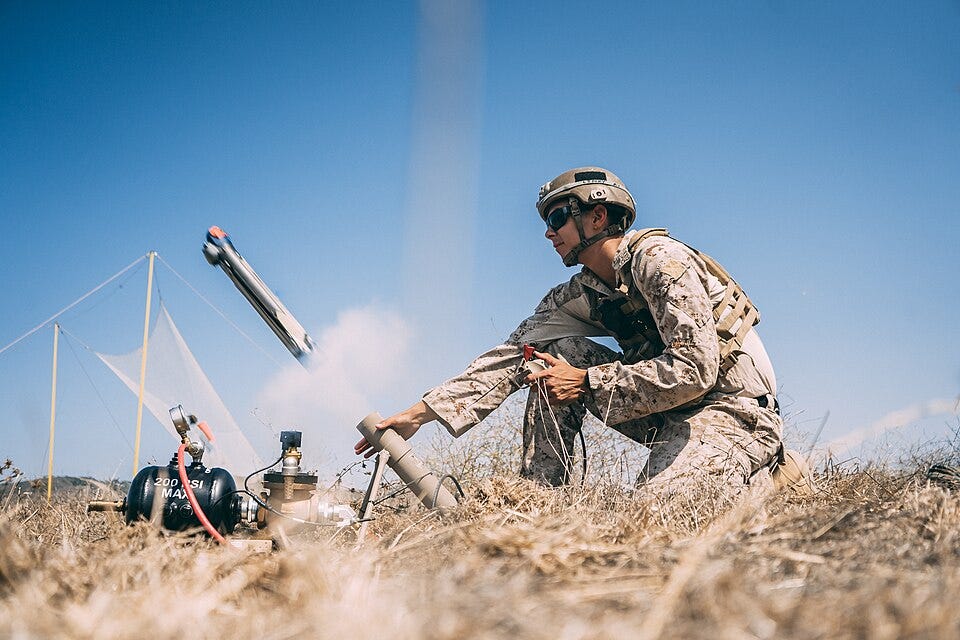
The defense sector is undergoing a structural transformation, driven by the convergence of autonomy, AI, advanced sensors, and dual-use innovation. As systemic rearmament accelerates across Western-aligned countries, emerging defense technologies are moving from experimental to operational at unprecedented speed. Autonomous drones, swarming systems, edge-processed sensor arrays, and software-defined surveillance are redefining battlefield dynamics. This transformation has opened significant entry points for non-traditional players—especially agile, innovation-focused companies operating at the intersection of commercial and military tech. From Anduril and Shield AI in the U.S. to Helsing, Preligens, and ARX Robotics in Europe, a new class of defense tech firms is scaling rapidly, supplying subsystems and software directly into Tier-1 platforms. This shift has created an investable segment distinct from legacy primes: high-growth, IP-rich, and strategically aligned with national security imperatives.
Advanced Defense Tech Supply Chains and the Role of Innovative SMEs
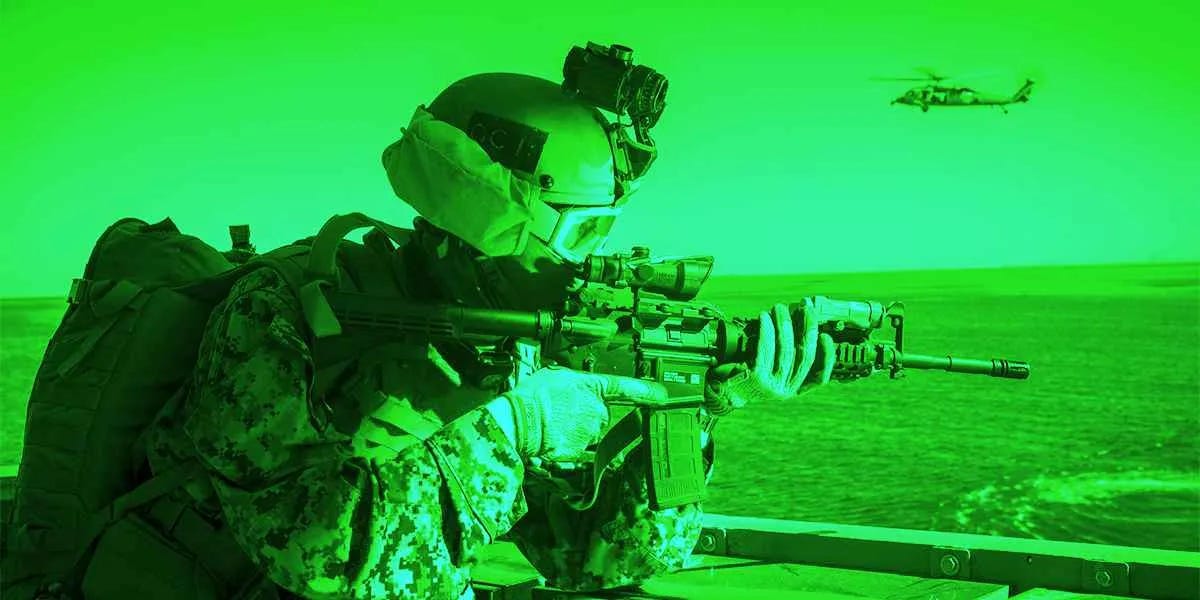
The advanced defense technology supply chain is undergoing a structural transformation driven by a surge of innovation from non-listed small and medium-sized enterprises (SMEs) specializing in AI, autonomous systems, advanced sensors, and dual-use components. These agile firms, operating in the U.S., Europe, Asia-Pacific, and India, are no longer peripheral actors but critical enablers of next-generation military capabilities. Their contributions span key segments—ranging from MEMS gyroscopes, infrared optics, and composite materials to AI-powered autonomy software and subsystem integration for drones and robotics. Acting as Tier-2 and Tier-3 suppliers to major defense primes, these SMEs accelerate development cycles and reduce risk in the procurement chain. Their growing role is reshaping the defense industrial base into a distributed, innovation-driven ecosystem.
FREMM Sustainment Contract Marks Strategic Consolidation of Italy’s Naval Defence Ecosystem
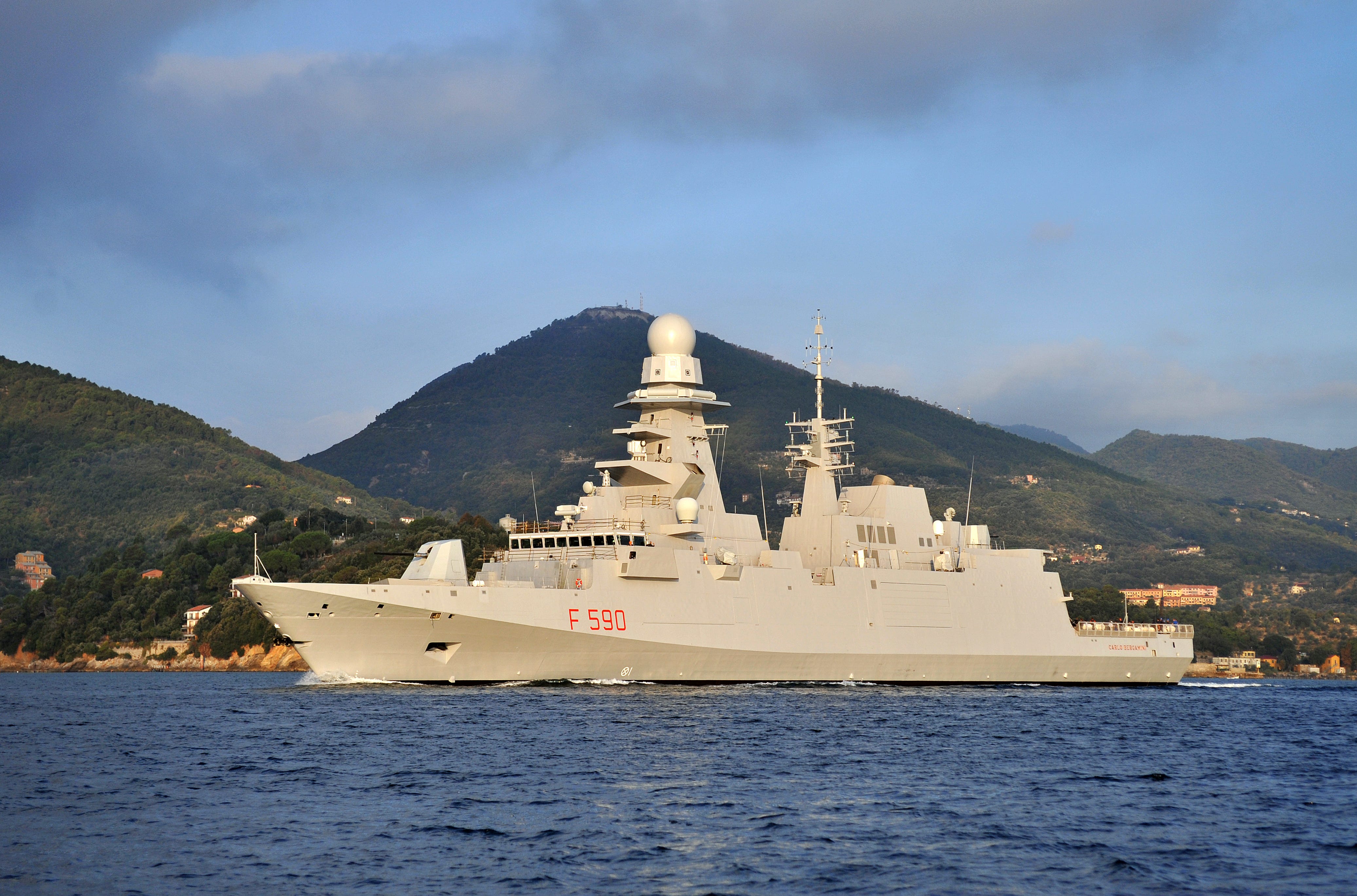
The €764 million Through Life Sustainment Management 2 (TLSM2) contract signed on 24 June 2025 between Orizzonte Sistemi Navali (OSN) and OCCAR represents a key milestone in the consolidation of Italy’s naval sustainment capability. The agreement formalises a five-and-a-half-year support programme for the Italian Navy’s FREMM-class frigates, reinforcing a long-standing public-private partnership between the Navy, OSN (a joint venture of Fincantieri and Leonardo), and key industrial players such as MBDA, Elettronica, and TMDS. The contract also includes options worth approximately €335 million and sub-contracts for Fincantieri (€265 million) and Leonardo (€190 million), anchoring the programme in Italy’s broader defence industrial base.
Indonesia Secures Revised Role in KF-21 Fighter Programme, Preserving Industrial Access While Reducing Financial Burden
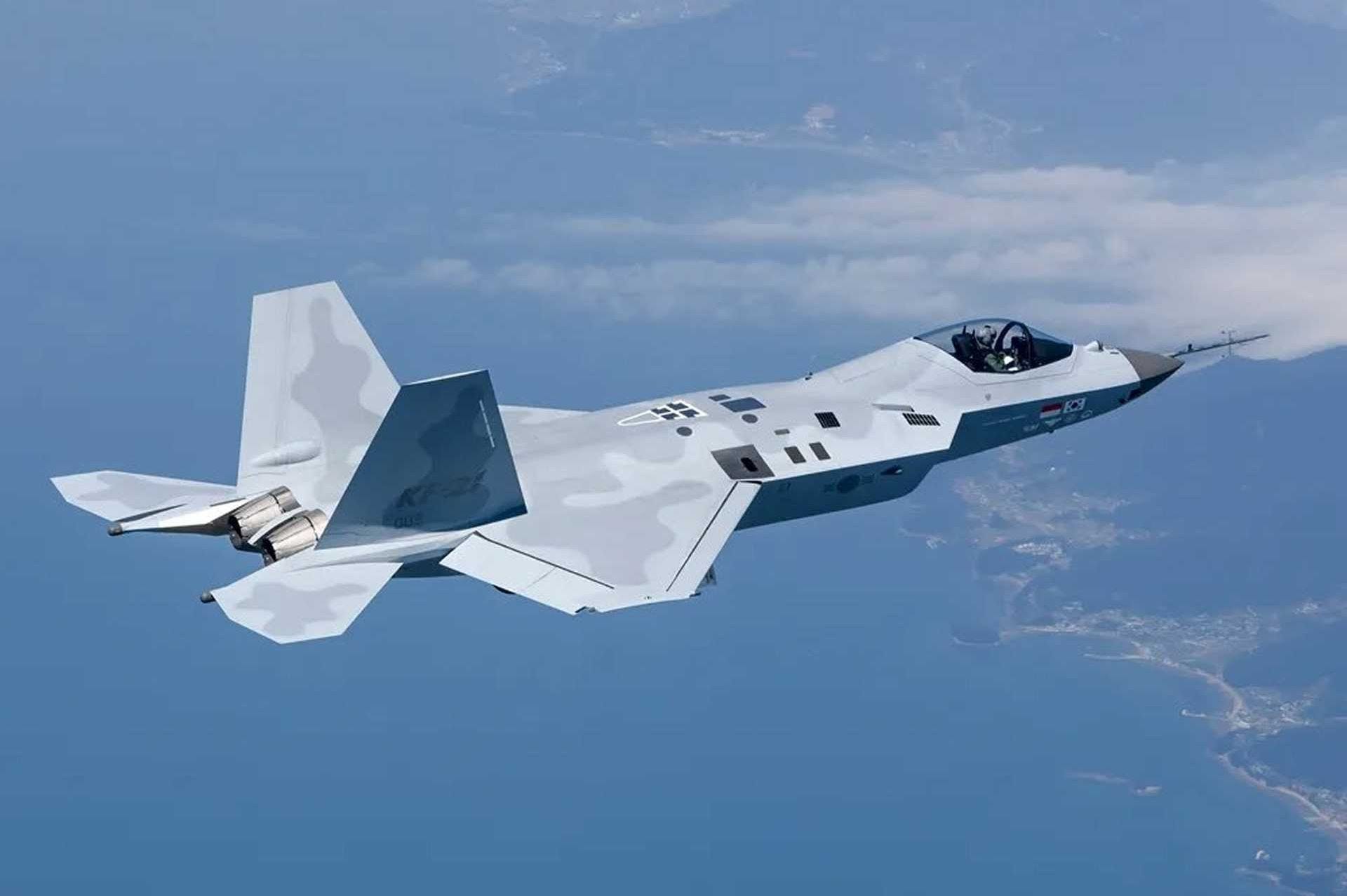
At IndoDefense 2025, South Korea and Indonesia signed a revised agreement that resets Jakarta’s financial commitment to the KF-21 Boramae fighter jet programme, ensuring continued Indonesian participation while alleviating long-standing budgetary strain. The new terms reduce Indonesia’s contribution from 1.6 trillion won ($1.17 billion) to 600 billion won ($438 million), and include an updated payment schedule and permission for partial compensation through commodities such as palm oil and coffee. Despite the financial adjustment, Indonesia retains its industrial role through PT Dirgantara Indonesia (PTDI), which will continue manufacturing components and supporting future operations for the 48 aircraft allocated under the programme.