

The UK’s Defence Investment Strategy: Accelerating Innovation and Alliances
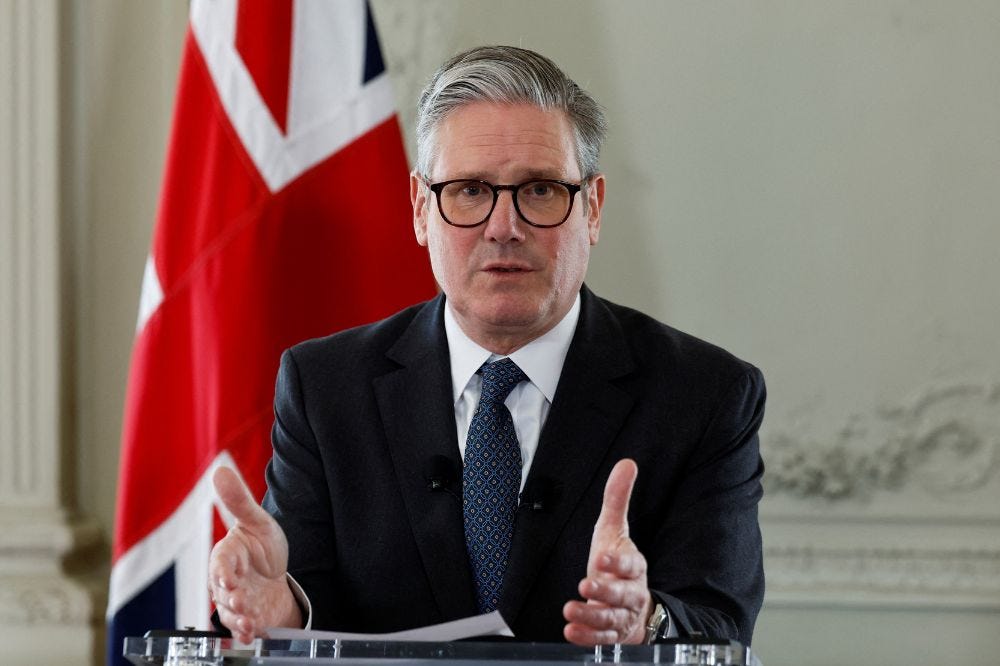
The United Kingdom is embarking on a major overhaul of its defence investment strategy, pairing increased funding with a drive for technological innovation and closer industry partnership. In the face of intensifying geopolitical threats – from Russia’s war in Ukraine to rapid advances in military tech – Britain’s leaders have resolved to strengthen both national security and the industrial base that underpins it. “The war in Ukraine confronts us with the truth that a military is only as strong as the industry which stands behind it,” observed Defence Secretary John Healey. Accordingly, the Government has boosted the defence budget by an extra £2.2 billion for FY2025/26 and set a course to raise spending to 2.5% of GDP by 2027. These resources will fund a sweeping innovation agenda – including a new £400 million defence technology fund, radical procurement reforms to cut acquisition times, and initiatives to harness emerging domains like artificial intelligence, space and advanced sensors. The plan aims to transform the Ministry of Defence (MOD) into an “AI-native” organisation and turn Britain into a “defence industrial superpower,” while deepening cooperation with allies through AUKUS, NATO and other frameworks. What follows is an analysis of this strategy’s key pillars and their implications for UK defence and industry.

The Erosion of the U.S.-Centric Order and the Emergence of Autonomous Security Blocs
The international system historically anchored to American primacy, consolidated in the aftermath of the Second World War, is now undergoing a structural weakening. This decline is due not only to external challenges but also to self-inflicted setbacks by the United States itself. The core pillars of the U.S.-led order—economic leadership, military dominance, diplomatic authority, and multilateral stewardship—have eroded, diminishing the country’s ability to sustain global influence. Oscillating foreign policies and recurrent isolationist impulses have compromised Washington’s credibility, undermining the trust of its traditional allies. Simultaneously, the emergence of new power centres has rendered collective responses to crises more fragmented and less effective. In this shifting context, a growing number of regional blocs are no longer able—or willing—to rely on the United States for stability and are instead moving to organise their own security and defence frameworks.

Mission-Driven Economic Actors for a New European Era
Underpinning Europe’s strategic autonomy quest is the idea of mission-driven economic actors – entities expressly designed to achieve transformational objectives in the public interest. European policymakers and thinkers are increasingly inspired by the concept of the “entrepreneurial state” and mission-oriented innovation (championed by economists like Mariana Mazzucato), which argues that bold public missions can drive growth and technological breakthroughs. In the context of strategic autonomy, this means creating or repurposing institutions that can marshal resources, talent, and innovation towards Europe’s most critical strategic needs. Historically, Europe has successful precedents: Airbus was essentially a mission-driven consortium that pooled several nations’ efforts to secure an independent aerospace industry. Today’s challenges – be it mastering quantum technology, achieving energy independence, or building next-gen defense systems – may require new “Airbus-like” initiatives in other sectors. Proposals have been floated for an “Airbus of Batteries” (now taking shape as the European Battery Alliance) and an “Airbus of Chips” to advance semiconductor fabrication in Europe. These are more than companies; they are strategic collaborations supported by policy and often public funding, with a clear mission: deliver sovereign capability in a domain where Europe lags or is dependent on external powers. Such mission-driven actors blur the line between public and private – they operate in markets but are steered by strategic objectives set jointly by governments and industry. They illustrate how Europe can translate high-level autonomy goals into concrete industrial outcomes.
Germany’s €500B Defence Fund: A Fiscal Turning Point

Germany is embarking on a historic reorientation of its fiscal policy to massively expand defence spending. Under a new governing coalition in Berlin, leaders agreed to establish a €500 billion special fund dedicated to defence and infrastructure, casting aside decades of debt-averse orthodoxy. This marks a fiscal turning point for Germany. By reforming…
The EU’s €150B Loan Plan: Financing Strategic Autonomy
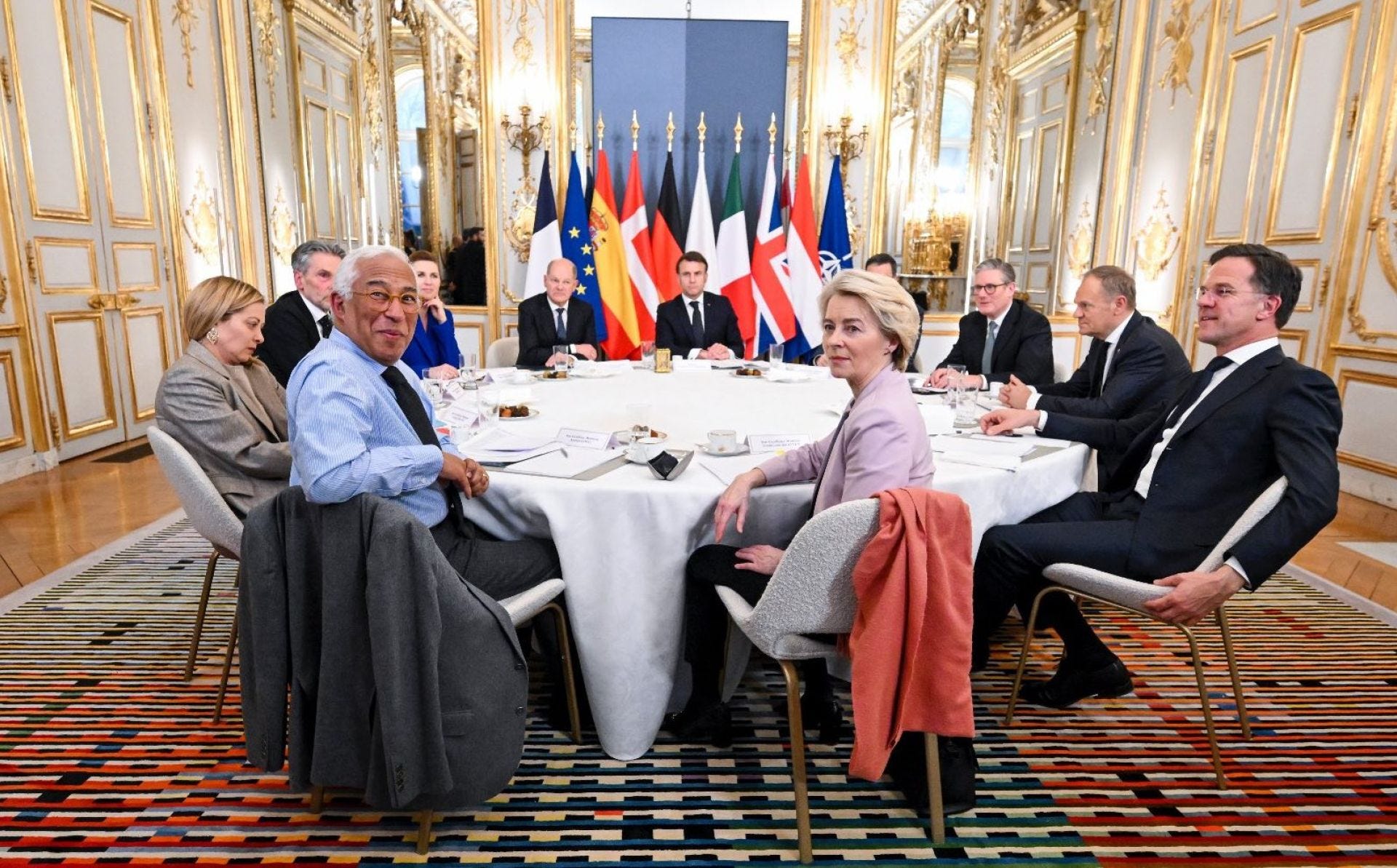
Brussels is advancing an ambitious financing scheme to help European militaries rearm and achieve greater strategic autonomy. The European Commission has proposed a €150 billion joint borrowing program, called the Security Action for Europe (SAFE) initiative, to provide cheap long-term loans to EU governments for priority defence projects. Under this plan, the EU would leverage its AAA credit rating to raise funds and on-lend to member states for investments in critical capabilities such as air and missile defence, artillery, drones, and cyber security. By pooling financial strength, the EU aims to jump-start collective defence improvements that many individual countries would struggle to afford quickly on their own.