

Defence Finance Monitor analyses how strategic imperatives defined at the national and supranational level—by EU institutions, NATO, and national Ministries of Defence—shape defence policy, technology priorities, and industrial development. Rather than identifying individual companies, we examine how recognised strategic problems—such as deterrence shortfalls, technological dependencies, or capability gaps—are translated into public funding programmes, procurement frameworks, and defence innovation roadmaps. Our premise is simple: a company becomes relevant to investors only if it is relevant to institutional buyers or prime contractors. And it becomes relevant to those buyers only if it contributes—directly or indirectly—to solving a clearly defined strategic challenge. We trace this logic from political doctrine to operational requirements and industrial structures, highlighting the strategic, technological, and organisational dimensions that may signal long-term alignment with institutional demand. This enables more coherent and risk-aware capital allocation in a sector where investment decisions are inseparable from public strategy.
Strategic Context & Deterrence Theory

Rome Without Walls: Power, Deterrence, and the Foundations of Political Fear
In contemporary European strategic discourse, security is frequently conflated with defense—as if the construction of physical barriers, the deployment of military assets, or the expansion of surveillance capabilities could, in and of themselves, guarantee strategic stability. Yet the historical experience of Rome presents a strikingly different model. In the Roman conception of power, security was not derived from defense but from deterrence. What preserved the city and the empire was not the strength of its walls, but the perception—widely shared and deeply rooted—that any aggression would be met with rapid, overwhelming, and inescapable retaliation. The permanence of Roman power, for centuries, rested not on its static infrastructure but on its dynamic capacity to instill fear. Only when this perception began to weaken did Rome resort to architecture. Fortification was not a means to increase strength—it was a substitute for lost credibility.
European Defence Industry
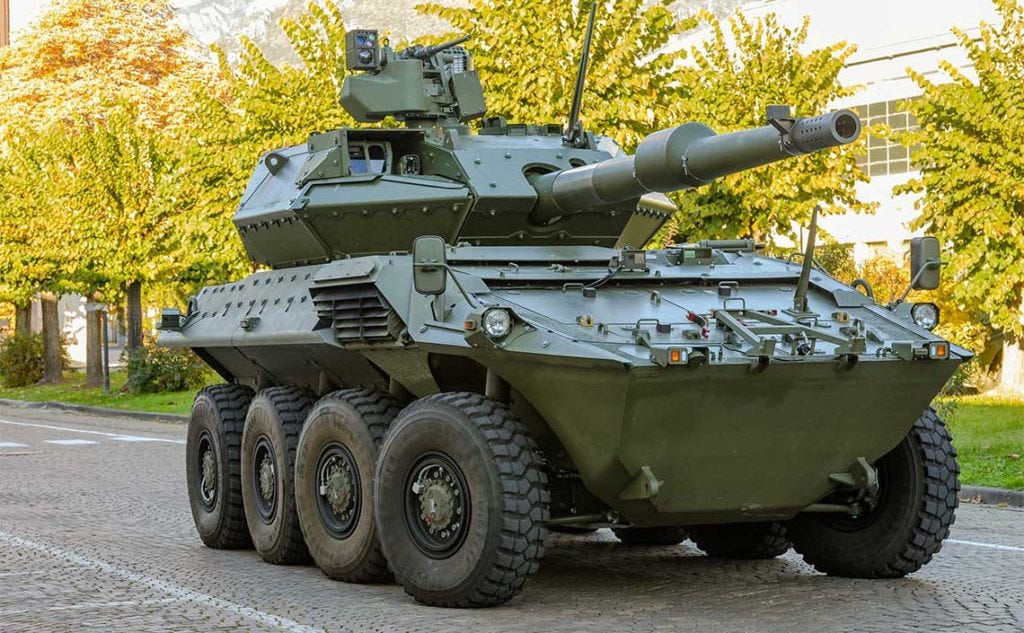
European Armoured Systems Development and Procurement Programmes
European defence investment in armoured vehicles has entered a decisive phase, with over a dozen coordinated procurement and development programmes across the EU and UK aiming to modernise and standardise main battle tanks, infantry fighting vehicles, and armoured personnel carriers. Anchored by high-profile initiatives such as MGCS, Panther KF51, and the widespread adoption of Leopard 2A8, alongside modular IFV families like Lynx, CV90, and Boxer, the continent is consolidating its fragmented land systems landscape. Industrial partnerships, such as those between Rheinmetall and Leonardo, and co-production agreements involving Hungary, Czechia, and Italy, illustrate a structural shift toward cross-border integration. Supported in part by EU-level frameworks (EDF, PESCO, EDIDP), these programmes not only enhance NATO interoperability and strategic autonomy, but also establish a scalable industrial base with reduced redundancy and higher export potential.
Company Profiles & Industrial Intelligence

Helsing: Europe’s Emerging Defense Technology Powerhouse
Helsing GmbH is a Munich-based defense technology company founded in 2021 by Torsten Reil and Gundbert Scherf. Originally focused on battlefield command software using artificial intelligence, it has rapidly expanded into producing autonomous hardware such as drones and unmanned vehicles. Today Helsing is backed by major venture capital and industry investors and has become one of Europe’s most valuable private companies. Its growth has been fueled by successive funding rounds, strategic partnerships with European defense groups, and lucrative government contracts. This analysis examines Helsing’s investment history, valuation growth, strategic pivots, partnerships, customers, and its position in the broader defense tech market.
Emerging Defence Technologies
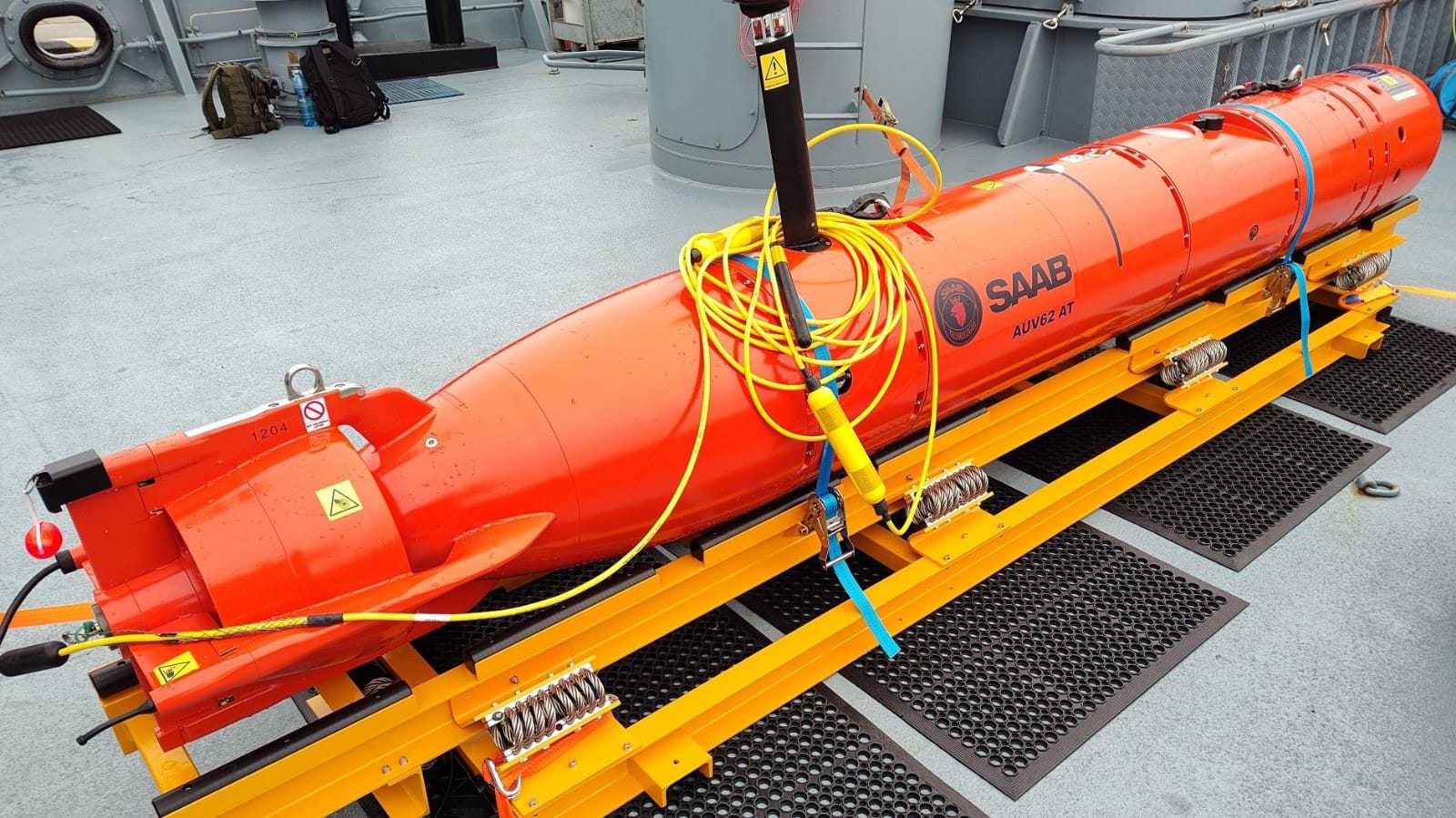
Autonomous Marine Robotics for ISR and Mine Warfare
Autonomous undersea robotics have emerged as a strategic priority for Europe’s defense and security. In the wake of heightened geopolitical tensions, EU and NATO documents emphasize strategic autonomy and a resilient industrial base in key technologies. The EU’s Strategic Compass and related policies call for Europe to “think big again” in defense innovation. The European Defence Fund (EDF) and other programs have allocated funding to dual-use maritime robotics projects (e.g. the PADR OCEAN2020 project), reflecting Europe’s recognition of the underwater domain’s economic and military importance. For example, the European External Action Service notes that annual EU defense R&D is fragmented (≈€14.4 billion vs. ~€130 billion in the US) and that innovative schemes (EDF, HEDI, EU Defence Innovation Scheme, etc.) have been launched to pool resources and support SMEs.
Capital Markets & Investment Flows

Euronext Thematic Indices for European Strategic Autonomy
Euronext has introduced three new European equity indices designed to track companies contributing to the EU’s strategic autonomy. These are the Euronext European Energy Security Index, the Euronext European Aerospace & Defence Index, and the Euronext European Strategic Autonomy Index. Each index is based on a free-float market‐capitalisation methodology and is rebalanced quarterly. Euronext describes the indices as reference benchmarks for investment products, intended to “help channel capital to support the companies most critical to Europe’s strategic autonomy”.
Public Expenditure & Procurement
Defence Innovation in NATO and the EU: DIANA, EDA, and Europe’s DARPA-like Initiatives
As of June 2025, the European defence innovation landscape is shaped by three complementary initiatives: NATO’s Defence Innovation Accelerator for the North Atlantic (DIANA), the European Defence Agency’s Hub for EU Defence Innovation (HEDI), and the European Commission’s European Defence Innovation Scheme (EUDIS). Each initiative operates under distinct institutional logics and strategic frameworks. DIANA reflects NATO’s transatlantic mission by promoting dual-use technologies through accelerator programs and a dedicated €1 billion venture capital fund, the NATO Innovation Fund. HEDI functions within the intergovernmental structure of the EDA, facilitating cooperation among EU Member States through small-scale innovation projects, prizes, and coordination platforms. EUDIS, under the European Commission, acts as a supranational instrument with the largest financial scope, channelling EU funds through the European Defence Fund and equity tools to support start-ups and SMEs across the Union.
Defence Investment Regulation

Accelerating European Defence: Regulatory Change and Investment Impact
The European Union has launched a far-reaching overhaul of its regulatory framework for defence, aiming to eliminate structural bottlenecks that have long limited industrial responsiveness and investment attractiveness. The Defence Readiness Omnibus, presented by the European Commission in June 2025, establishes binding measures to fast-track permits, expand state aid flexibility, exempt defence projects from critical environmental constraints, and redefine eligibility for sustainable finance instruments. For defence companies and institutional investors, this marks a fundamental shift: defence is no longer treated as an exceptional sector, but as a strategic pillar of EU economic and security policy. A unified permitting process with a 60-day deadline and automatic approvals, simplified procurement rules, and clarified ESG compatibility standards remove key sources of uncertainty and enable faster capital deployment across the European defence value chain.