

Defence Finance Monitor is a specialised analysis and intelligence platform focused on the nexus between European defence policy, strategic industries, and public investment. Each issue provides in-depth, carefully considered assessments designed to offer maximum strategic insight to subscribers.
Far from superficial or rapid commentary, DFM delivers structured and rigorous analysis based on primary sources, official documents, and sectoral data. The aim is to support professionals—investors, policymakers, industry leaders, and analysts—with the depth and clarity needed to understand how defence funding and procurement decisions are reshaping markets, capabilities, and geopolitical balances in Europe and beyond.
French-Ukrainian Drone Production Initiative: Renault’s Role and European Defense Industry Shifts
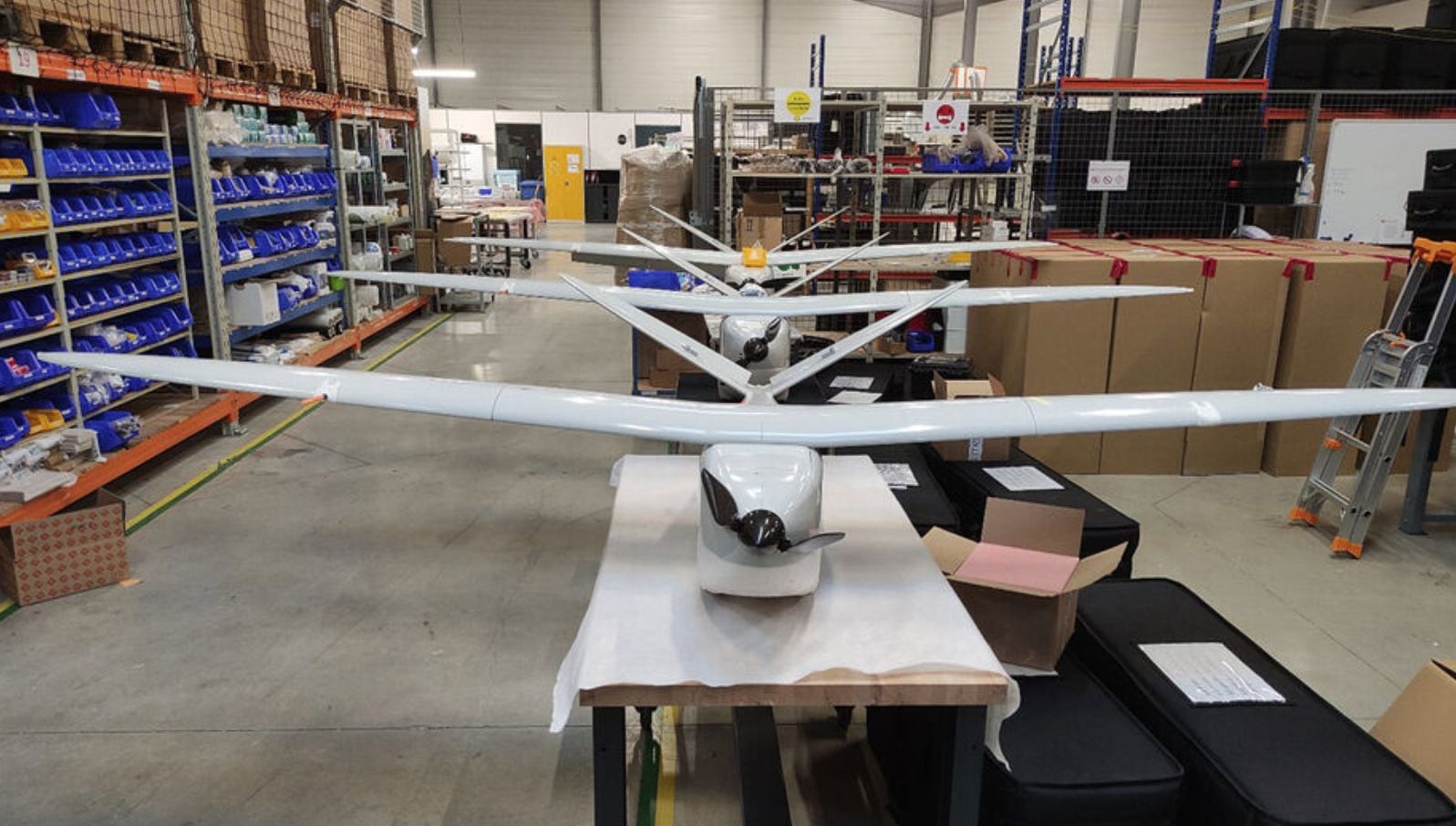
France and Ukraine are advancing an unprecedented defense-industrial partnership centered on drone production. The French government has approached automobile manufacturer Renault to help establish production lines for military drones on Ukrainian soil. This initiative aims to bolster Ukraine’s drone capabilities for the ongoing war with Russia while also strengthening France’s own defense readiness. It marks a historic pivot for Renault – returning to defense manufacturing after an 80-year hiatus – and would be the first instance of a French company manufacturing weapons in Ukraine since Russia’s full-scale invasion. The project’s objectives, partnership structure, and strategic implications carry significance not only for France and Ukraine, but also in the context of a broader realignment of Europe’s defense industry in response to the war.
Modern Warfare in the Technological Age
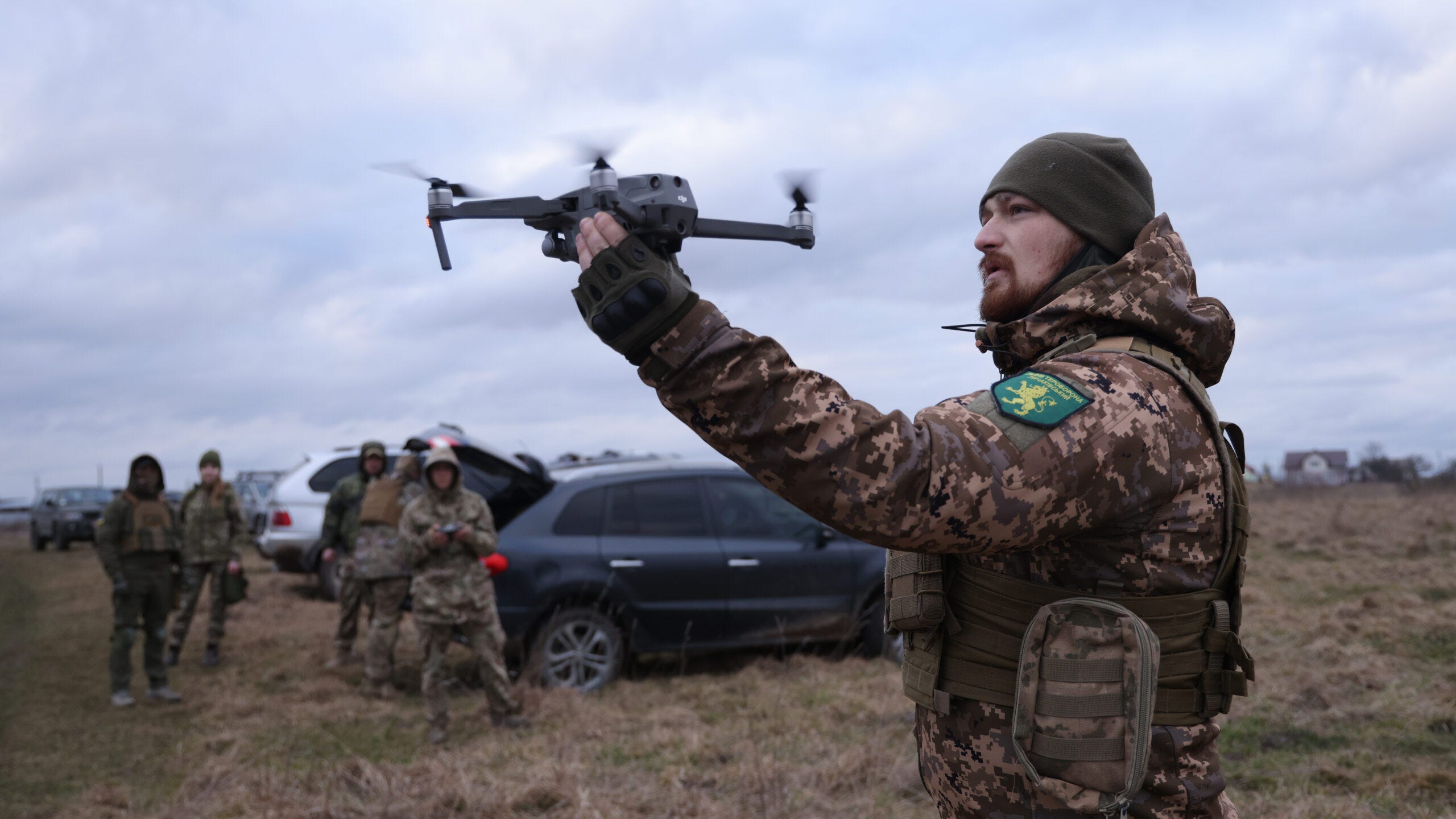
Contemporary conflicts—exemplified by Israel’s campaigns in Lebanon and Ukraine’s struggle against Russia—have underscored how new technologies and espionage tactics are reshaping combat. Combatants now deploy “precise” one-way attack drones and missiles to strike deep into enemy territory. Iran-backed groups (Hezbollah, Houthis) routinely launch armed UAVs and cruise missiles at Israel, while Israel uses unmanned vehicles and covert cyber-sabotage against its adversaries. These developments reflect a shift from expensive high-value platforms toward swarms of cheap, attritable systems and data-driven operations. Ukraine’s use of mass-produced tactical drones against Russian armor, for example, helped destroy over 65 % of Russian tanks, illustrating the “democratization of air power” where relatively weak actors contest airspace previously dominated by great powers. At the same time, advanced espionage and cyber-operations (from planting malware in Iranian nuclear systems to covertly booby-trapping Hezbollah’s radio gear) are integrated into warfare. These trends underscore that modern military competition is increasingly about who can leverage AI, autonomy, cyber and advanced communications fastest – whether in democracies or by non-state proxies.
EU–US Coordination on Energy Security
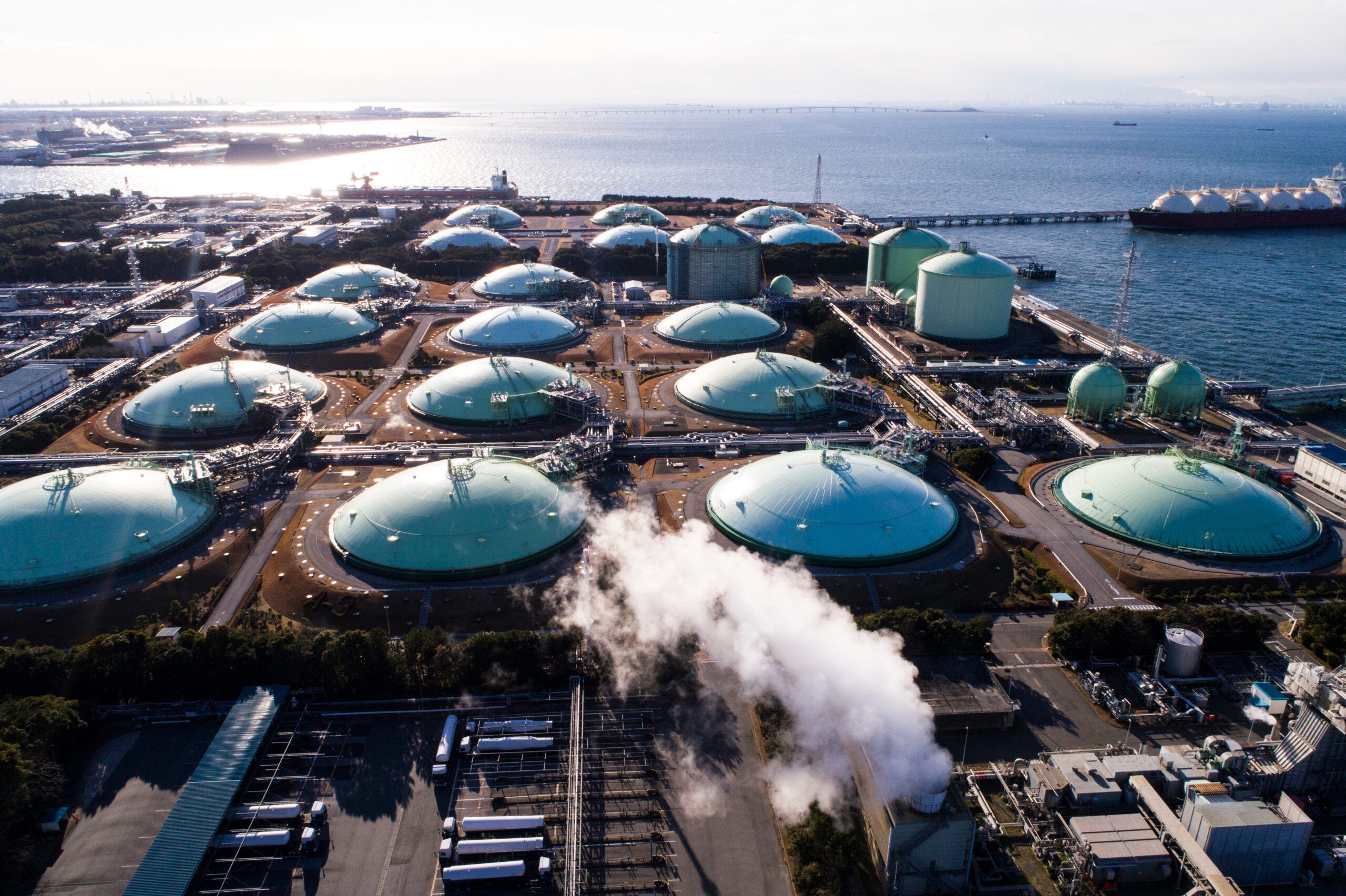
In June 2025, energy security remained a top transatlantic priority. Europe’s reliance on secure energy supplies is under pressure from Russian war risks and volatile global markets, while the U.S. is intent on ensuring its ally has alternatives. Recent developments underscore growing EU–US cooperation: trade negotiations are linked to energy flows, and the EU is moving to eliminate Russian gas imports. These strategic shifts have important long-term implications for global energy markets and investors.
SAFE Regulation: Transforming Europe’s Industrial Defence Framework
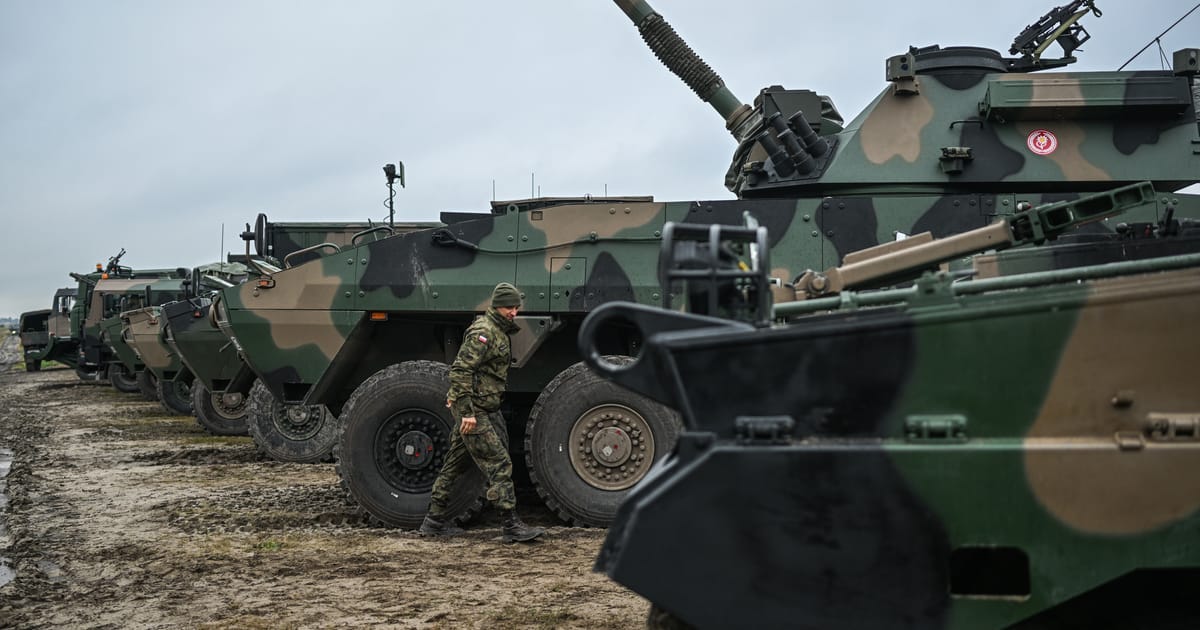
The SAFE Regulation inaugurates a new EU-level approach to finance defence procurement, embedded in a wider push for European strategic autonomy. Its success in strengthening the industrial defence base will depend on how it interacts with existing governance (EDA, PESCO), domestic fiscal politics, and broader regulatory factors (export rules, ESG restrictions). Scenarios range from modest improvements via better coordination to the creation of a truly pan-European procurement agency. Public policymakers should aim to reinforce incentives for joint action and fill regulatory gaps (e.g. adjust SFDR, clarify tax treatments), while investors must evaluate both the opportunities (huge order backlogs, growth in defence markets) and the risks (policy shifts, compliance burdens) in this rapidly evolving environment.