

Defence Finance Monitor is a specialised analysis and intelligence platform focused on the nexus between European defence policy, strategic industries, and public investment. Each issue provides in-depth, carefully considered assessments designed to offer maximum strategic insight to subscribers.
Far from superficial or rapid commentary, DFM delivers structured and rigorous analysis based on primary sources, official documents, and sectoral data. The aim is to support professionals—investors, policymakers, industry leaders, and analysts—with the depth and clarity needed to understand how defence funding and procurement decisions are reshaping markets, capabilities, and geopolitical balances in Europe and beyond.
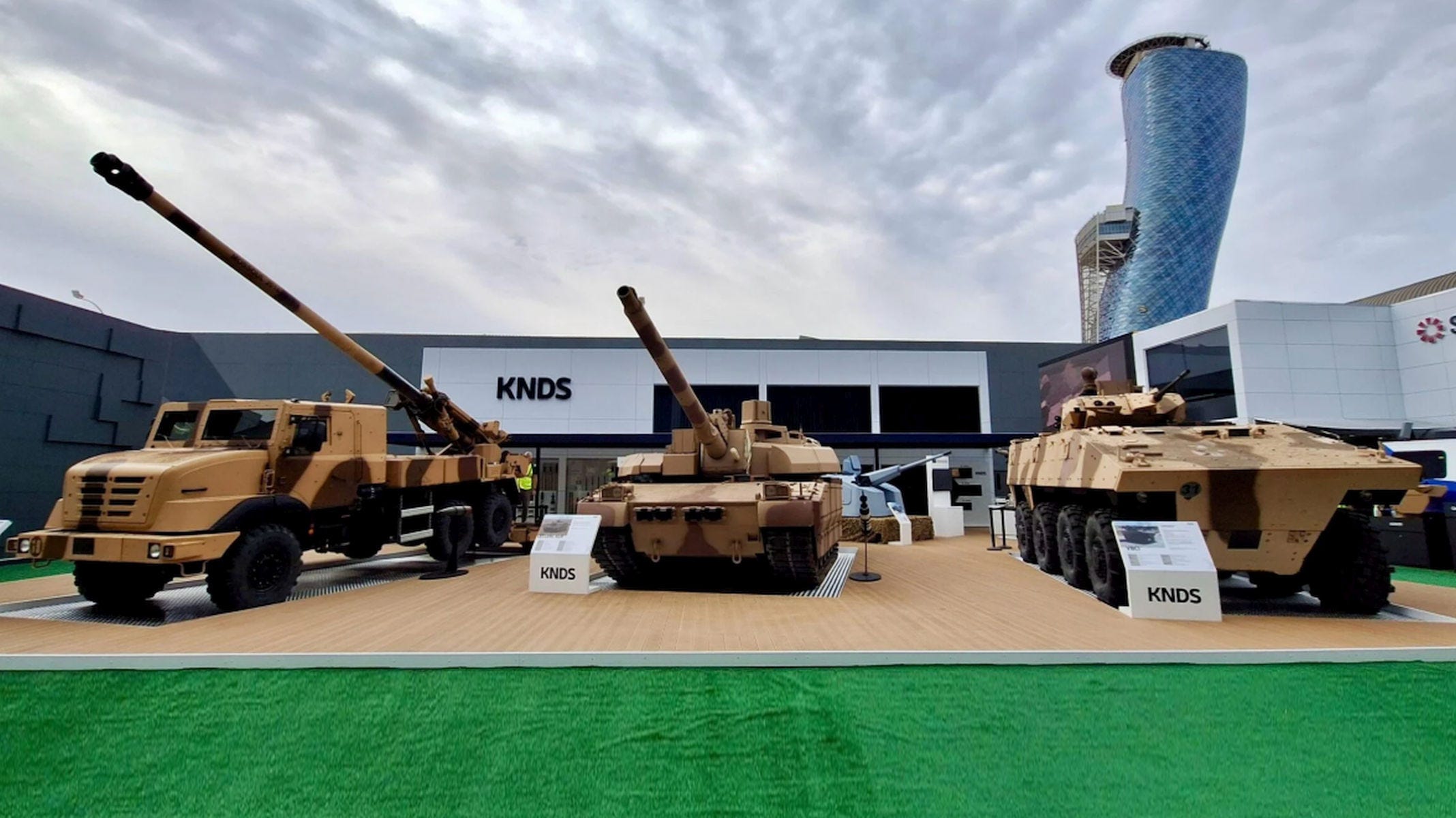
KNDS in European Defence: Consolidation, Governance, and Strategy
European defence is at a turning point, marked by renewed political will to strengthen collective capabilities and reduce fragmentation. NATO remains Europe’s primary defence organization, but the European Union (EU) has developed important regulatory and financial tools (e.g. procurement rules, funding mechanisms) and cooperation frameworks to enhance military capabilities and the defence industrial base. High-level EU initiatives – from the Strategic Compass (2022) to calls for a “Defence Union” – reflect a consensus on the need for greater European strategic autonomy and integrated defence governance. However, the means to achieve this are still debated, and no single “unitary vision” for EU defence has been agreed. Instead, Europe’s defence cooperation operates in multiple modes: a legislative mode focused on market integration, a coordination mode for joint capability development (e.g. under the European Defence Agency and PESCO), and a financial mode geared to bolstering industry via new funds. These overlapping governance modes mirror divergent member-state interests and illustrate the core challenge: EU governments have not yet collectively decided “what type of defense actor the Union should become”, and many remain hesitant to cede sovereignty in this domain.

Private Equity and Dual-Use Tech in Europe Since 2022
European security policy has undergone a paradigm shift since 2022, driven by the war in Ukraine and heightened geopolitical tensions. Key institutional actors have mobilized around dual-use innovation – technologies with both civilian and military applications – to strengthen Europe’s defence technological base. The European Union (EU) elevated defence on its agenda with the 2022 Strategic Compass and subsequent initiatives, while NATO’s 2022 Strategic Concept similarly emphasized emerging and disruptive technologies (EDTs) as critical to allied security. In NATO, this led to concrete programs like the Defence Innovation Accelerator for the North Atlantic (DIANA), which provides non-dilutive grants and accelerator services to dual-use tech startups across over 10 sites and 90 test centers. Simultaneously, 23 Allies established the NATO Innovation Fund (NIF) – a €1 billion multi-sovereign venture capital fund launched in 2023 with a 15-year horizon – to invest in startups developing dual-use emerging technologies. These NATO initiatives, alongside national efforts, reflect a transatlantic push to harness private-sector innovation for defence.
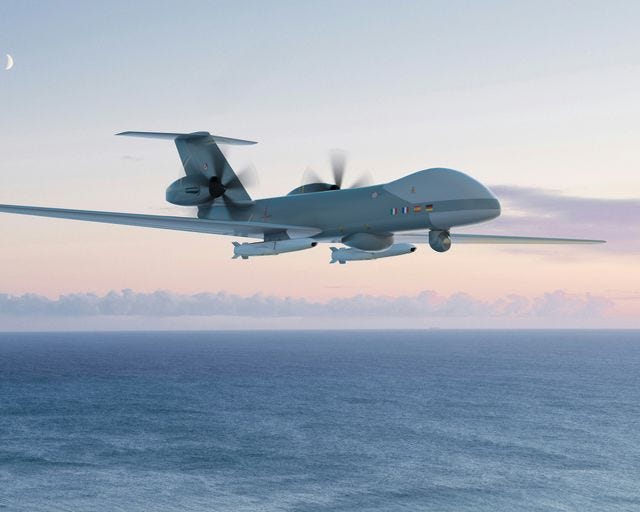
Dual-Use Robotics and Autonomous Systems: Civil Markets Feeding Military Innovation in Europe
European policymakers have increasingly recognized that cutting-edge civilian technologies – from artificial intelligence and drones to autonomous vehicles – are pivotal for next-generation military capabilities. The war in Ukraine starkly illustrated this point, as off-the-shelf commercial drones and AI-driven systems were rapidly repurposed for battlefield use, accelerating the trend of civil markets feeding military innovation. In response, the European Union (EU) and allied institutions have sharpened their focus on leveraging civilian tech innovation for defence. The EU’s 2022 Strategic Compass and related Council conclusions stress the need to invest in critical and emerging technologies (such as AI, autonomy, and robotics) to bolster Europe’s strategic autonomy. This push aligns with longstanding goals of reducing dependence on foreign (primarily U.S. and Israeli) systems and ensuring Europe can secure and develop its own advanced unmanned platforms.
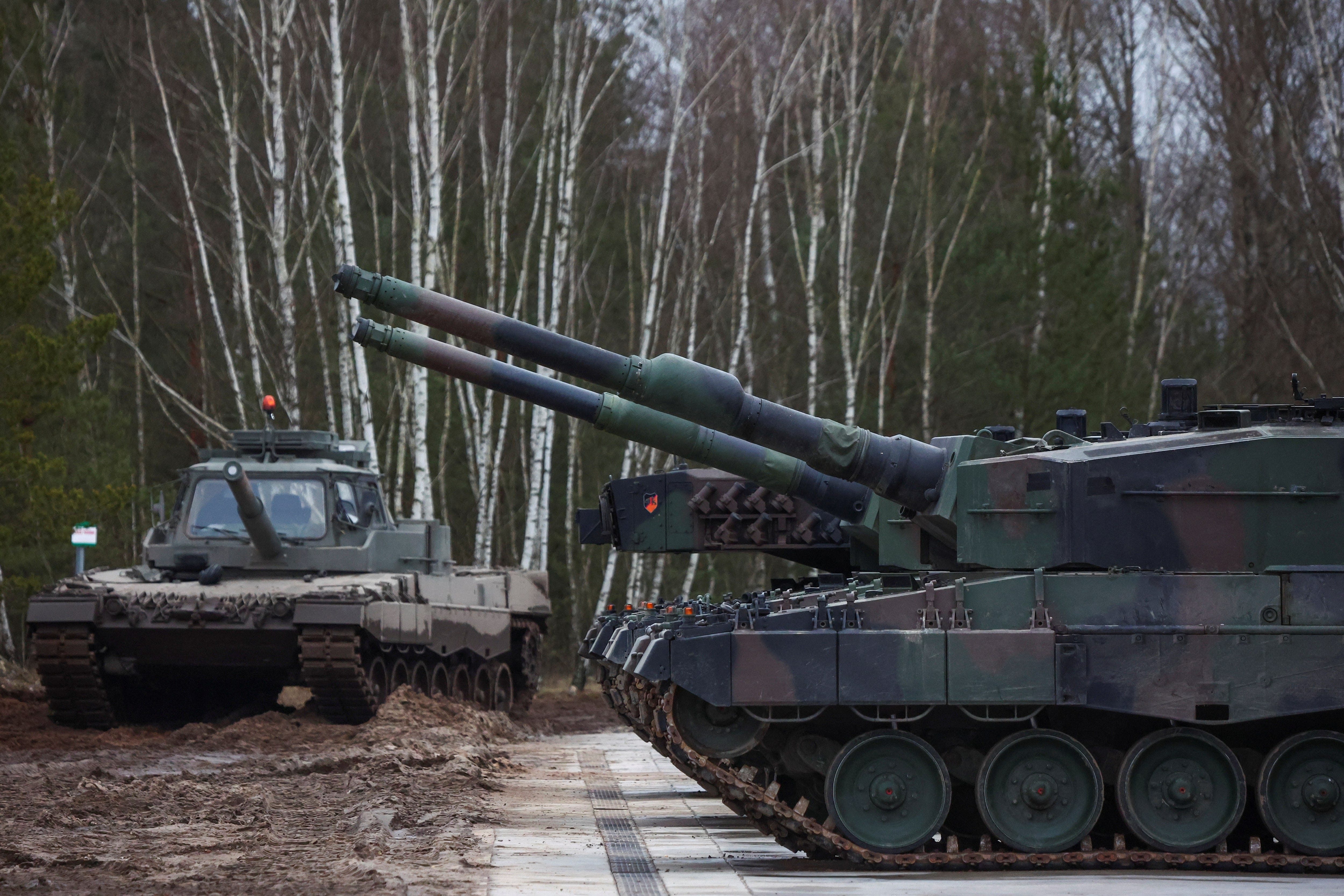
Multi-Year Defence Programmes in Central Europe: A Comprehensive Analysis
Central European nations – notably Poland, the Czech Republic, Slovakia, Hungary, and Austria – have embarked on ambitious multi-year defence programmes in response to a deteriorated security environment. Russia’s 2022 invasion of Ukraine shattered post-Cold War peace and made the threat on NATO’s eastern flank starkly immediate. All five countries have since accelerated defence investments, aligning with and often exceeding NATO guidelines. At NATO’s 2023 Vilnius Summit, Allies agreed that 2% of GDP is now a minimum baseline for defence spending – with the recognition that “in many cases, expenditure beyond 2%” will be required to remedy capability shortfalls. Poland exemplifies this new resolve: it boosted defence outlays from 2.7% of GDP in 2022 to 4.2% in 2024, with plans for 4.7% in 2025 – the highest relative level in NATO. Other Visegrád states are also stepping up.