

Defence Finance Monitor is a specialised analytical publication dedicated to the intersection of finance, defence, and strategic industries. It offers data-driven, neutral analysis on defence-themed ETFs, listed companies, procurement trends, and public and private capital flows into military and dual-use sectors. With a clear editorial focus and rigorous methodology, it supports informed decision-making by investors, analysts, policymakers, and industry professionals. Each edition explores how geopolitical developments, technological shifts, and regulatory frameworks shape investment opportunities in defence and security. The publication avoids sensationalism and advertising, delivering high-quality briefings designed for clarity and utility. Defence Finance Monitor is part of a new generation of sector-focused intelligence services responding to the increasing financial complexity of modern defence ecosystems. Subscribers gain full access to structured research, strategic briefings, and curated news. It is a resource for those who recognise that defence is not only a policy issue—but a capital market one.
Analysis & Research

How European Investors Are Integrating Energy, Defense, and Resilience in Response to Geopolitical Tensions
Heightened geopolitical tensions – most prominently Russia’s invasion of Ukraine – have spurred European investors to reassess their portfolio criteria with a new emphasis on energy security, defense capabilities, and industrial resilience. The traditional ESG (Environmental, Social, and Governance) framework is being reshaped as national security and supply-chain stability become indispensable considerations.
In a symbolic step, Europe’s largest stock exchange operator even reframed ESG to stand for “Energy, Security and Geostrategy,” reflecting a “new geopolitical order”.
Investors now factor in companies’ contributions to Europe’s strategic autonomy –
from secure energy supplies to defense readiness – alongside carbon footprints and social impact. What was once a peripheral concern has moved to the forefront of investment strategy as Europe adjusts to an era of persistent geopolitical volatility.
Strategic Briefings
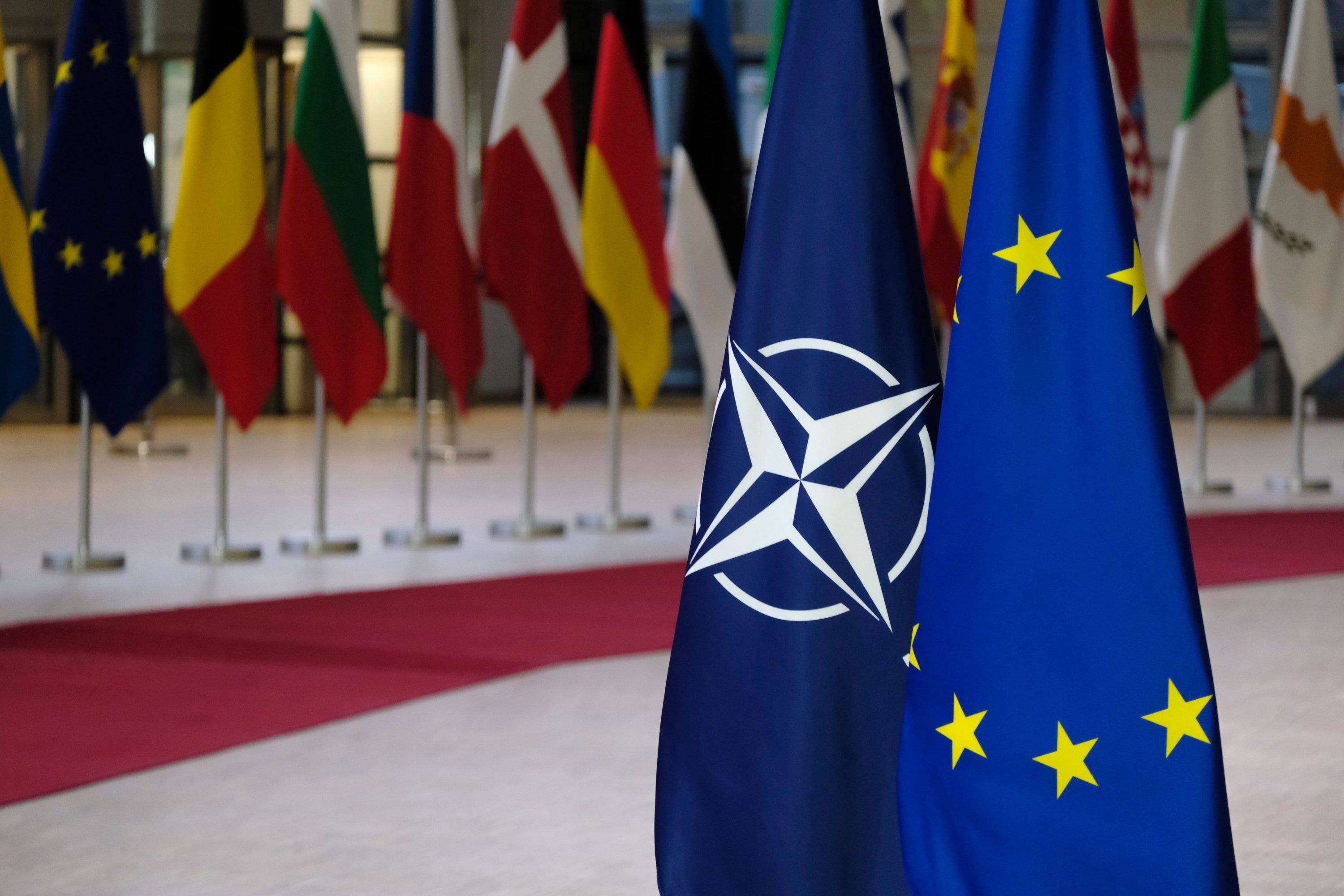
EU–NATO Regulatory Convergence and Industrial Interoperability
The push for EU–NATO convergence in defence standards and procurement is driven by a simple reality: European countries have one set of armed forces that must serve both national/EU missions and NATO missions. Greater alignment between EU initiatives and NATO requirements promises benefits in cost efficiency, interoperability, and industrial effectiveness. One area of convergence is joint procurement. When multiple countries purchase equipment together – ideally to a common specification – they can achieve bulk discounts and reduce unit costs. It has been observed that standardization and aggregated demand can significantly lower procurement expenses. For example, if European armies agree on a standard design for a new artillery system and order it in one large batch, they avoid the duplication of each country separately developing slightly different guns. Past fragmentation meant each country’s small orders kept prices high; convergence means bigger orders for single designs, yielding economies of scale.
Essential books

"NATO and the Russian War in Ukraine: Strategic Integration and Military Interoperability" edited by Janne Haaland Matlary and Rob Johnson
The book NATO and the Russian War in Ukraine: Strategic Integration and Military Interoperability, edited by Janne Haaland Matlary and Rob Johnson, offers an analytical account of how NATO has adapted to the security shock produced by Russia’s full-scale invasion of Ukraine. The volume focuses on the institutional, strategic and military implications of the war, treating NATO as the central actor in fostering interoperability and guiding allied responses. The editors argue that the war has revitalized the alliance’s purpose and triggered a re-evaluation of its conceptual and operational frameworks. By analyzing strategic documents, national case studies and alliance structures, the book outlines NATO’s evolving posture. It presents a three-part structure covering the alliance’s integration mechanisms, the impact of the war on strategic priorities, and the resulting changes in member state behavior.
Defence Industry Watch

Strategic Opportunities in Europe’s Defence Tech Renaissance
Since Russia’s full-scale invasion of Ukraine and amid signs of U.S. strategic retrenchment, investor interest in European defence tech has surged. Europe’s capitals have pledged large increases in military spending and domestic production to address capability gaps. Consequently, venture funding for defence startups hit record levels: European investment jumped about 24% to $5.2bn in 2024. Analysts describe a “forcible shift” as the US grows protectionist and Europe scrambles to rearm. The narrative has changed: investors now frame defence funding as bolstering sovereignty and resilience, not just seeking returns. New funds and programs have emerged: for example, the EU’s “ReArm Europe” plan explicitly calls for private capital to complement defence spending.
Markets & ETFs
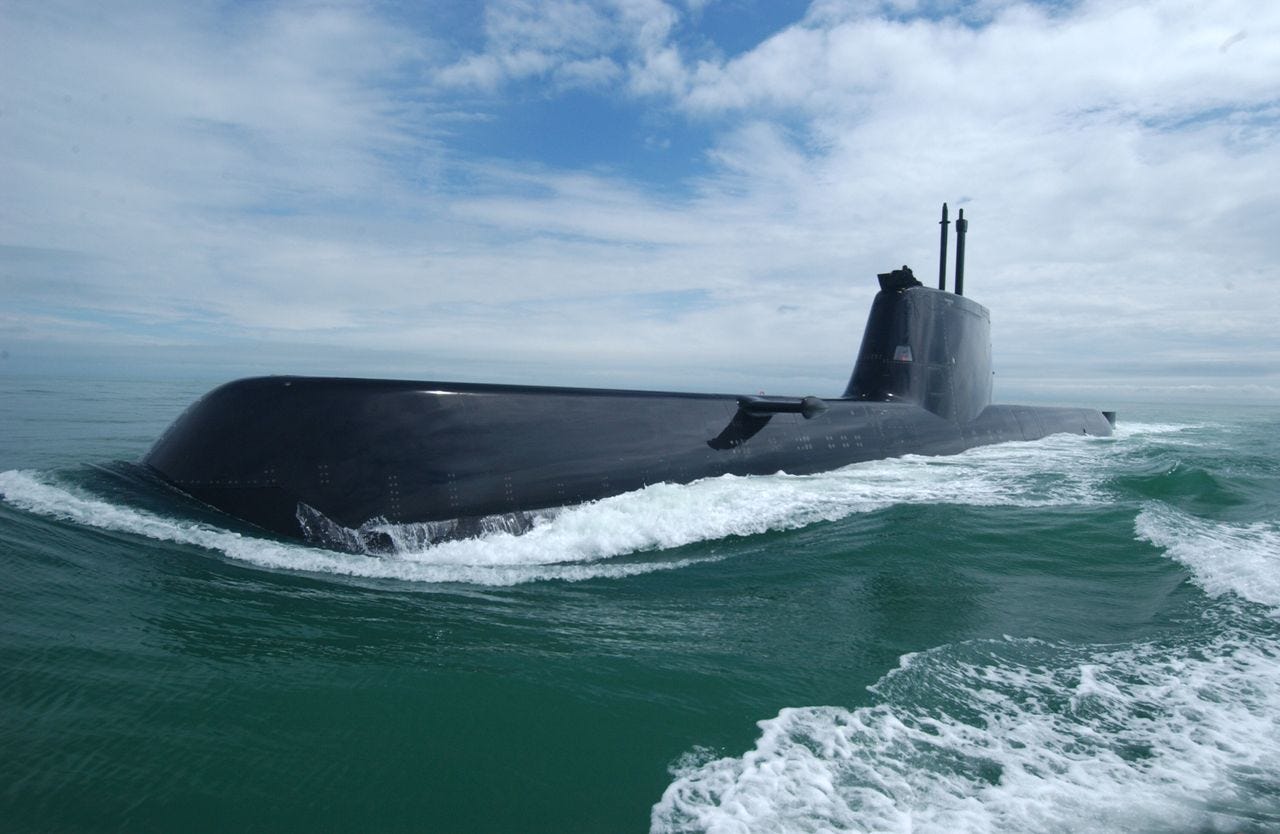
The expected spin-off IPOs (like TKMS and possibly KNDS) highlight how capital markets are being tapped to fund defence expansion, marking a shift from state-only funding
When Thyssenkrupp floats TKMS (its shipbuilding unit) in the next 1–2 years, it will be a test of capital market appetite for a pure-play European defence IPO. Given current sentiment, many believe it will be well-received – TKMS itself said the “geopolitical situation requires decisive action” and indicated interest in Euronext’s pro-IPO measures. The company will use the IPO proceeds to invest in new shipyard capacity and technologies (like new submarines for Germany and NATO allies), essentially mobilising public investor capital to increase defence production. In a similar vein, if KNDS (the tank maker) goes public, it would be a landmark Franco-German market transaction, likely involving a multi-billion euro equity raise that could fund the development of next-gen tanks (MGCS) and other land systems collaboratively These moves indicate that European defence firms are increasingly comfortable turning to equity investors for growth capital, rather than relying solely on government project financing.

Beyond equity and debt markets, innovative financing mechanisms are being deployed to mobilize capital for defence and security needs
One notable example is the NATO Innovation Fund (NIF), a €1 billion multi-sovereign venture fund launched in 2023 – while funded by governments, it operates by investing in private venture funds and startups, thereby crowding in additional private venture capital for defence tech. By February 2025, the NIF had made its first investments in four deep-tech startups in fields like novel materials and AI, and it also anchored a new $22 million venture fund (201 Ventures) focused on defence innovation. This approach leverages public money to catalyze much larger private ecosystems – for every euro NIF invests, other VCs often co-invest several more. Another mechanism is emerging in the EU: the proposed “SAFE” European Defence Industry Reinforcement fund (as part of the March package) would provide loans or guarantees to mobilize private financing for joint procurement. If implemented, countries could, for example, jointly borrow from capital markets with an EU guarantee to fund a bulk purchase of ammunition.

Private equity and venture capital are pouring into defence and security ventures
Private equity deals targeting European defence firms have surged – nearly $0.8 billion in the first few months of 2025 alone. These include not just established suppliers but also mid-sized tech companies that serve defence. Meanwhile, defence tech startups are drawing record venture funding, often with encouragement from governments. The NATO Innovation Fund’s activity is one example, but there are also new dedicated VC funds (some backed by defence primes) cropping up. For instance, in February the NATO fund invested in a UK-based microelectronics startup and a European quantum encryption firm – precisely the deep-tech that traditional VCs used to avoid due to ties with defence.
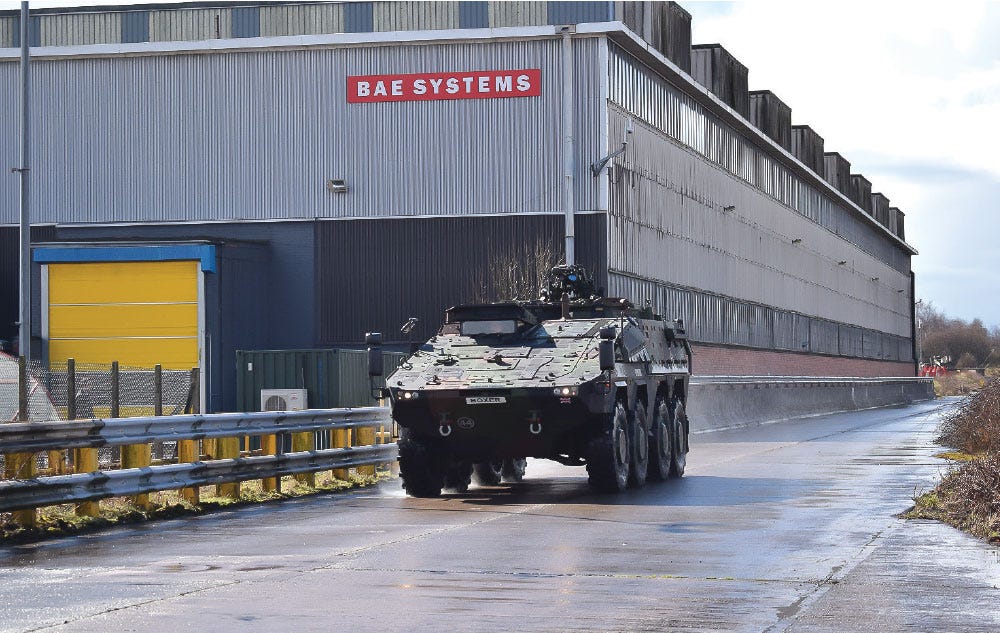
Britain’s BAE Systems reported a positive trajectory in 2025
In a recent trading update, the UK’s largest defence contractor reaffirmed its full-year guidance for 2025, projecting 8–10% growth in underlying earnings per share and high single-digit revenue growthl. BAE said it has had a “strong start” to the year and is on track with its forecasts, buoyed by a record order backlog and continued government commitments to increase spending. The company highlighted “further positive momentum” expected from new defence investment pledges – notably the supplemental U.S. aid for Ukraine and Britain’s decision to raise its budget to 2.5% of GDP by 2030. These policy moves translate into concrete contracts for BAE: for example, in March BAE won a major deal under the AUKUS pact to help build nuclear submarines for Australia.