

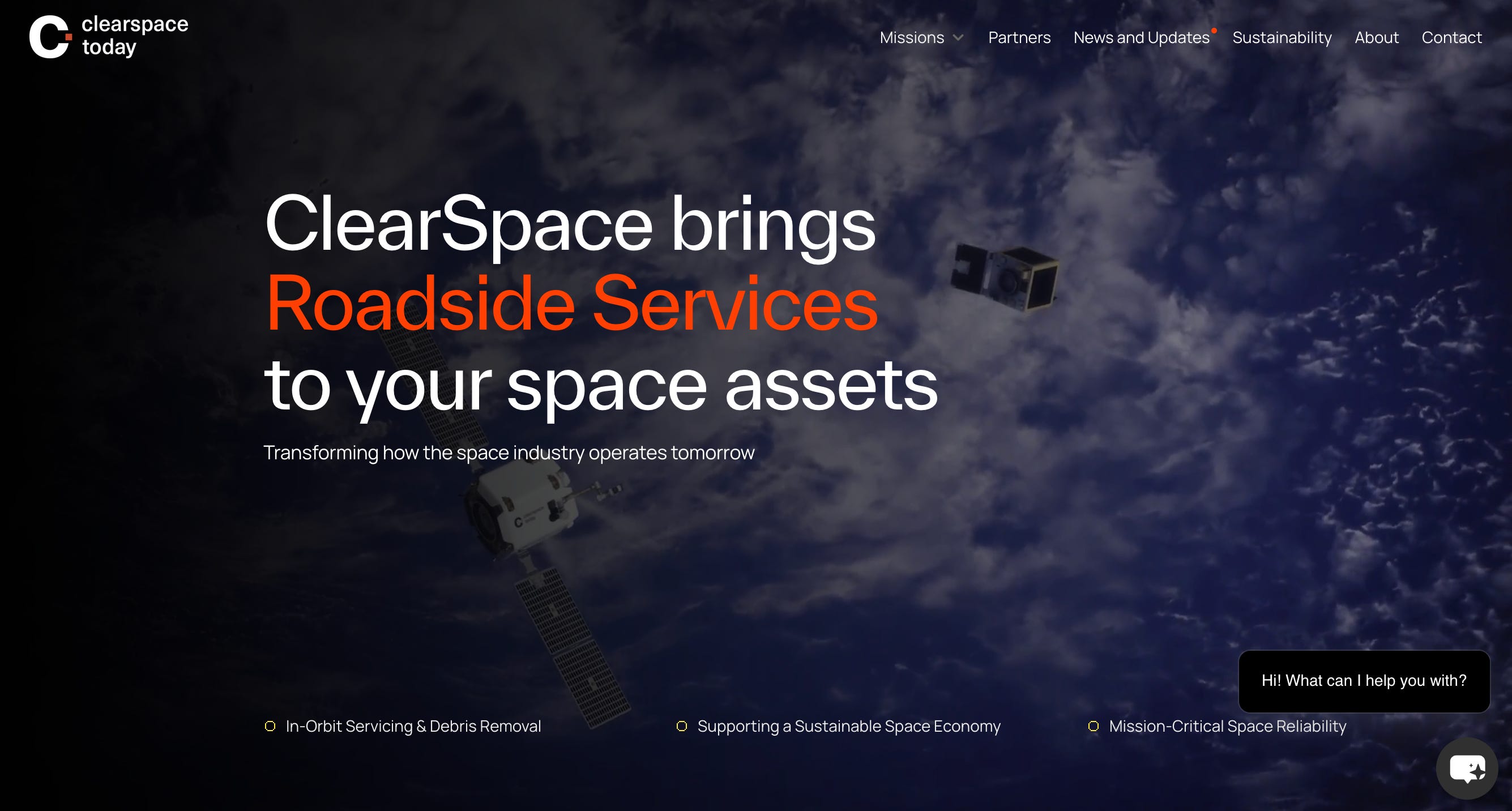
Orbital debris is a growing strategic hazard as Europe’s space-based infrastructure becomes vital to communication, navigation and defense. Already, roughly 40% of modern telecommunications and countless critical services rely on satellites[1]. In this context, ClearSpace SA – a 2018 spin-off of Switzerland’s EPFL – has emerged as a pioneer in active debris removal and in-orbit servicing[2][3]. Under contract with ESA, its ClearSpace-1 mission will be the world’s first to rendezvous with, grasp and deorbit a defunct satellite object[4][5]. This ‘tow-truck’ satellite is intended not as an experimental gimmick but as a pathfinder for protecting orbits vital to Europe’s strategic autonomy. The analysis that follows examines ClearSpace’s organization, technology, programs and partnerships, assessing how it strengthens European-led capabilities (and reduces reliance on external suppliers) in space. By focusing on ClearSpace’s tech portfolio, readiness levels and role in EU/NATO frameworks, we illuminate its contribution to resilient space operations and collective deterrence.