

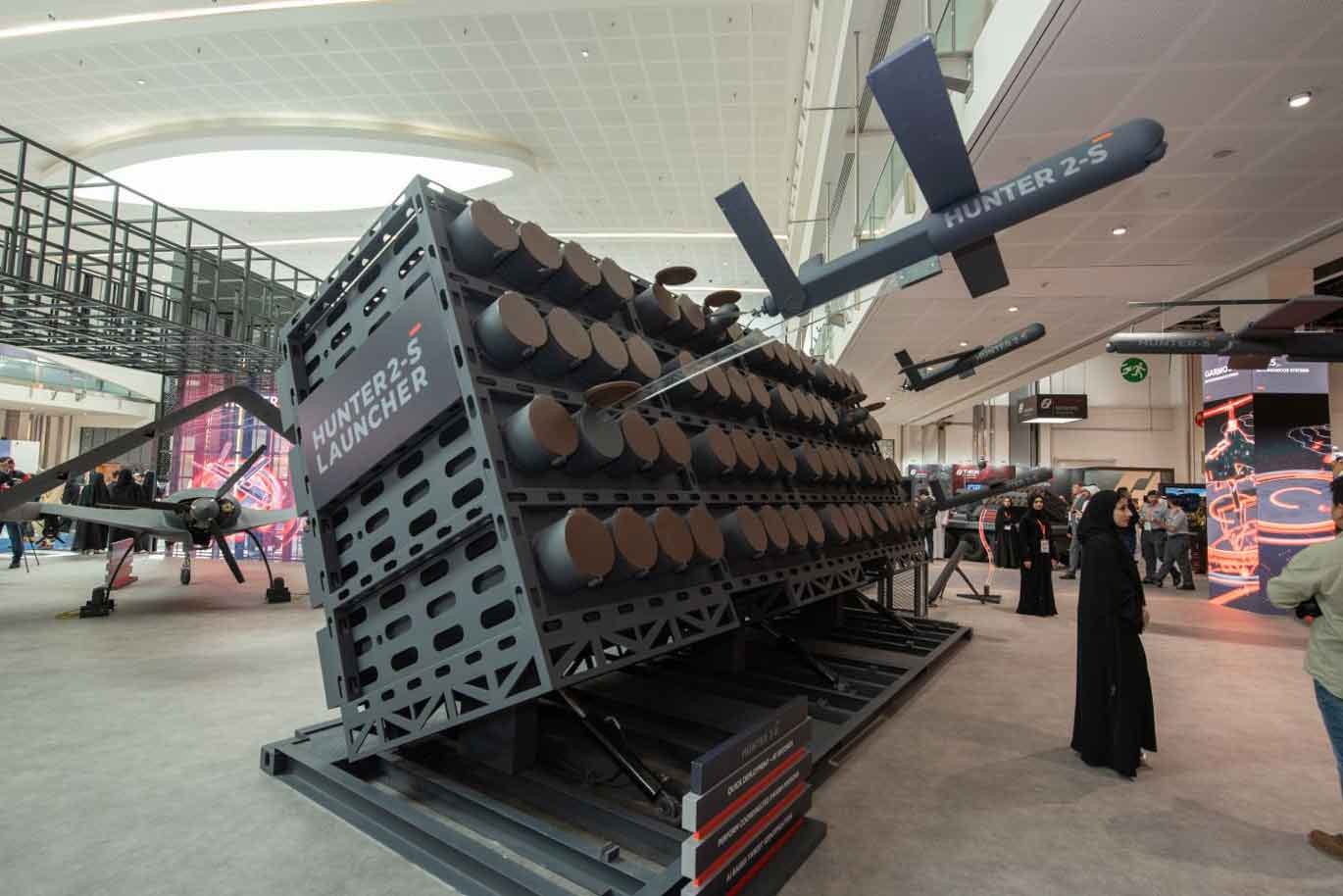
The belief that long-range stand-off capabilities can replace close combat has shaped procurement strategies across Western militaries. Precision strike systems, airpower, and artillery have received disproportionate investment on the assumption that decisive effects could be achieved without exposing ground forces. For defence industries, this has meant lucrative contracts for high-value platforms, but the financial sustainability of this model is questionable. Conflicts have shown that stand-off fires, while effective in degrading adversary infrastructure, cannot secure territory or guarantee political outcomes. For investors, this creates a structural risk: overexposure to long-range platforms may overlook the persistent demand for infantry systems, protective gear, and urban combat technologies. Defence markets reveal a clear asymmetry between procurement priorities and operational necessities, opening opportunities for firms positioned in soldier-centric solutions.